5 Các yếu tố lựa chọn máy sấy tầng chất lỏng thiết yếu và máy sấy quay
5 Các yếu tố lựa chọn máy sấy tầng chất lỏng thiết yếu và máy sấy quay
Nếu nhà máy của bạn đang lựa chọn giữa máy sấy tầng sôi và máy sấy quay, quyết định sai lầm có thể tạo ra độ ẩm không ổn định, bụi quá mức, hoặc một lịch trình bảo trì khó khăn. Trong của chúng tôi 20 năm sản xuất thiết bị sấy, chúng tôi so sánh vật liệu đầu tiên và máy thứ hai. Hướng dẫn này cung cấp cho các nhóm mua sắm và kỹ thuật một khuôn khổ lựa chọn thực tế.
Làm thế nào để thiết kế máy sấy tầng chất lỏng và máy sấy quay xử lý các vật liệu khác nhau?
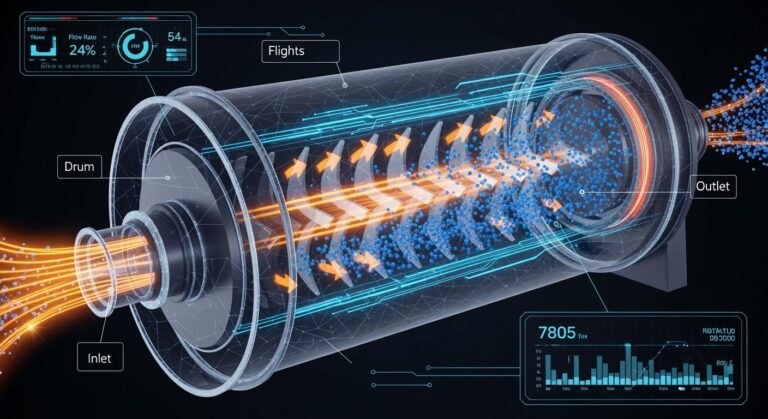
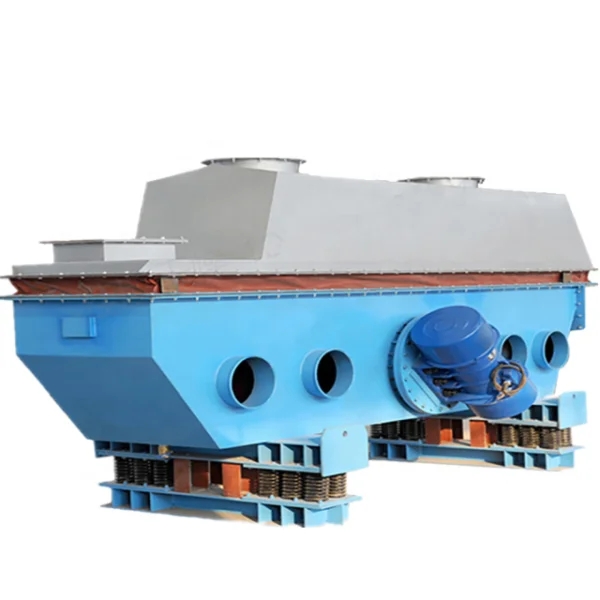
Máy sấy tầng chất lỏng làm lơ lửng các hạt trong luồng không khí đi lên, vì vậy nó hoạt động tốt nhất khi nguồn cấp dữ liệu chảy tự do hợp lý và có sự phân bổ kích thước hạt có thể kiểm soát được. Máy sấy quay sử dụng vòng quay trống và tiếp xúc không khí để di chuyển vật liệu qua hệ thống. Câu hỏi mua sắm đầu tiên khi đánh giá máy sấy tầng sôi so với máy sấy quay là liệu nguyên liệu có thể hóa lỏng mà không bị kết tụ hoặc phân kênh hay không.
Tại CTCPSTECH, chúng tôi xem xét độ ẩm, mật độ lớn, kích thước hạt, độ dính, sự mài mòn, và độ ẩm cuối cùng cần thiết trước khi lựa chọn thiết bị. Việc xem xét tài liệu này ngăn ngừa một lỗi dự án phổ biến: chỉ định một đơn vị tầng chất lỏng cho thức ăn hoạt động giống như một loại bột nhão hoặc một loại bánh có độ kết dính cao.
Tùy chọn nào mang lại thông lượng và kiểm soát thời gian lưu trú tốt hơn?
Máy sấy quay thường được chọn để có khả năng thay đổi nguồn cấp dữ liệu rộng và xử lý năng suất cao liên tục. Hệ thống giường chất lỏng giúp kiểm soát chặt chẽ hơn tốc độ không khí, nhiệt độ giường, và thời gian lưu trú khi các hạt vẫn ở trạng thái lỏng. Không nên giả định lợi thế nào trong việc so sánh giữa máy sấy tầng chất lỏng và máy sấy quay nếu không có thử nghiệm vật liệu và cửa sổ vận hành xác định.
Yêu cầu nhà cung cấp trình bày cơ sở thiết kế về tốc độ cấp liệu, độ ẩm đầu vào, độ ẩm đầu ra, nhiệt độ không khí, và thời gian cư trú. Đối với một dòng mới, yêu cầu cả dữ liệu đầy tải và bán phần để quyết định mua hàng phản ánh cách nhà máy của bạn sẽ vận hành thực sự.
Người mua nên tính toán những chênh lệch chi phí vận hành nào?
Việc sử dụng năng lượng phụ thuộc vào lượng nước, nhiệt độ không khí, độ ẩm khí thải, thu hồi nhiệt, và thông số kỹ thuật của sản phẩm—không chỉ đơn giản là tên máy sấy. Thiết kế tầng chất lỏng có thể truyền nhiệt hiệu quả cho nguồn cấp dữ liệu dạng hạt phù hợp, trong khi thiết kế quay có thể chịu được lượng cấp liệu rộng hơn và mài mòn hơn mà không bị gián đoạn thường xuyên.
So sánh giữa máy sấy tầng sôi và máy sấy quay xung quanh mức tiêu thụ năng lượng cụ thể trên mỗi kg nước bay hơi, khoảng thời gian bảo trì, thu gom bụi, nhân công, và thời gian ngừng hoạt động dự kiến. Phương pháp tiếp cận toàn bộ vòng đời của chúng tôi cũng xem xét các bộ trao đổi nhiệt và tối ưu hóa chu trình nhiệt thay vì chỉ so sánh giá mua.
Rủi ro bảo trì và ô nhiễm ảnh hưởng như thế nào đến việc lựa chọn?
Hệ thống tầng chất lỏng có thể cung cấp khả năng xử lý có kiểm soát đối với hạt nhưng có thể yêu cầu phân phối không khí cẩn thận, bảo trì bộ lọc, và thiết kế làm sạch. Thiết bị quay có thể bền chắc về mặt cơ học, chưa mặc các bộ phận, con dấu, chuyến bay, và tích tụ nội bộ phải được đưa vào kế hoạch bảo trì.
Đối với thực phẩm, dược phẩm, hóa chất, hoặc ứng dụng khoáng sản, hỏi phương pháp làm sạch, đặc điểm kỹ thuật vật liệu liên lạc, truy cập kiểm tra, và quy trình chuyển đổi trước khi chọn cấu hình máy sấy tầng sôi so với cấu hình máy sấy quay. MỘT 100% thiết kế theo kích thước có giá trị khi vệ sinh, mài mòn, hoặc kiểm soát ô nhiễm thay đổi cách bố trí thiết bị.
Máy sấy tầng chất lỏng và máy sấy quay: Bảng tuyển chọn thực tế
| Yếu tố quyết định | Máy sấy tầng chất lỏng | Máy sấy quay |
|---|---|---|
| Hành vi nguồn cấp dữ liệu tốt nhất | Hạt chảy tự do | Biến, mài mòn, hoặc thức ăn khó khăn |
| Ưu tiên kiểm soát | Vận tốc không khí và nhiệt độ giường | Truyền tải mạnh mẽ và dung sai rộng |
| Kiểm tra chính | chất lỏng hóa, bộ lọc, thu gom bụi | Mặc, con dấu, chuyến bay, tích tụ nội bộ |
| Bằng chứng đấu thầu | Cơ sở kiểm tra vật liệu và phân phối không khí | Cân bằng khối lượng và cơ sở hao mòn/thông lượng |
Danh sách kiểm tra kiểm tra nhà cung cấp: 5 Các tài liệu cần yêu cầu trước khi ký đơn đặt hàng
- “
- Báo cáo thử nghiệm vật liệu cho thấy độ ẩm, Tỉ trọng, kích thước hạt, và hành vi làm khô.
- Cân bằng khối lượng và năng lượng bằng cách sử dụng các giá trị độ ẩm đầu vào và đầu ra đã thỏa thuận.
- Tính toán thời gian lưu trú và thông lượng cho hoạt động đầy tải và bán tải.
- Bộ phận mài mòn, dọn dẹp, điều tra, và đặc tính thu gom bụi.
- Mẫu báo cáo kiểm tra trước khi giao hàng và tiến độ dự án giao hàng.
Câu hỏi thường gặp
Q: Máy sấy nào tốt hơn cho hạt nhạy cảm với nhiệt? Hệ thống tầng sôi có thể cung cấp khả năng kiểm soát nhiệt độ và thời gian lưu trú chặt chẽ hơn khi các hạt hóa lỏng một cách nhất quán. JSSTECH kiểm tra vật liệu trước khi đề xuất cấu hình, và người mua nên yêu cầu cơ sở thử nghiệm từ bất kỳ nhà cung cấp nào.
Q: Khi nào cây nên chọn máy sấy quay? Máy sấy quay thường được xem xét để mài mòn, biến, hoặc thức ăn khó hóa lỏng đòi hỏi phải xử lý liên tục mạnh mẽ. Yêu cầu cân bằng khối lượng và kế hoạch hao mòn cho nguồn cấp dữ liệu thực tế.
Q: Làm thế nào tôi có thể so sánh mức tiêu thụ năng lượng một cách công bằng? So sánh mức tiêu thụ năng lượng cụ thể dưới cùng một độ ẩm, nhiệt độ, tốc độ thức ăn, và điều kiện sản xuất. Đừng so sánh công suất máy sưởi một mình.
Đội ngũ kỹ thuật của chúng tôi cung cấp sơ đồ lựa chọn máy sấy tầng chất lỏng dựa trên vật liệu và máy sấy quay, tư vấn thiết kế miễn phí, và hỗ trợ phản hồi 24 giờ. Khám phá của chúng tôi phạm vi thiết bị sấy và đọc hướng dẫn bảo trì máy sấy phun trước khi yêu cầu báo giá.
Để so sánh thiết bị độc lập, ôn tập So sánh đĩa quay và giường chất lỏng FEECO trước khi so sánh các nhà cung cấp. Tài liệu tham khảo giải thích những khác biệt trong vận hành mà người mua nên xác thực dựa trên thuộc tính nguồn cấp dữ liệu của chính họ, mục tiêu thông lượng, và kế hoạch bảo trì.
Liên hệ với Leta qua WhatsApp để được tư vấn dựa trên tài liệu. Nhóm của chúng tôi có thể xem xét thuộc tính nguồn cấp dữ liệu của bạn, mục tiêu thông lượng, đặc điểm độ ẩm, và yêu cầu giao hàng trước khi chuẩn bị sơ đồ kỹ thuật.