Hướng dẫn cơ bản về máy sấy cạp trống quay: Giải quyết các thách thức về độ nhớt và độ bám dính cao
Hướng dẫn cơ bản về máy sấy cạp trống quay
Trong bối cảnh phức tạp của xử lý nhiệt công nghiệp, Quá trình chuyển đổi từ nguyên liệu thô dạng lỏng hoặc nhão sang dạng bột hoặc dạng vảy rắn chất lượng cao thường gặp nhiều trở ngại về mặt kỹ thuật.. Dành cho nhà sản xuất xử lý hóa chất nhạy cảm, bột nhão cấp thực phẩm, hoặc dược phẩm trung gian, việc lựa chọn công nghệ sấy không chỉ liên quan đến hiệu quả mà còn liên quan đến tính toàn vẹn của quy trình.
Tại **JSCTECH**, với tư cách là nhóm cố vấn kỹ thuật và tiếp thị nội dung nội bộ của bạn, chúng tôi đã dành nhiều năm quan sát cuộc đấu tranh của những người vận hành trên sàn sản xuất. Chúng tôi đã thấy các vật liệu có độ nhớt cao có thể biến hoạt động sấy tiêu chuẩn thành cơn ác mộng bảo trì như thế nào. Đây là lý do tại sao chúng tôi chuyên về **Máy sấy cạp trống quay**, một giải pháp sấy dựa trên dẫn truyền được thiết kế đặc biệt để giải quyết hầu hết các vấn đề “khó ” vật liệu trong kho của bạn.
Trong hướng dẫn toàn diện này, chúng ta sẽ khám phá kỹ thuật đằng sau máy sấy cạp dạng trống và cung cấp các giải pháp khả thi cho ba vấn đề thường gặp nhất: độ bám dính vật liệu, sấy không đều, và bảo trì máy cạo thường xuyên.
Máy sấy cạp trống quay là gì?
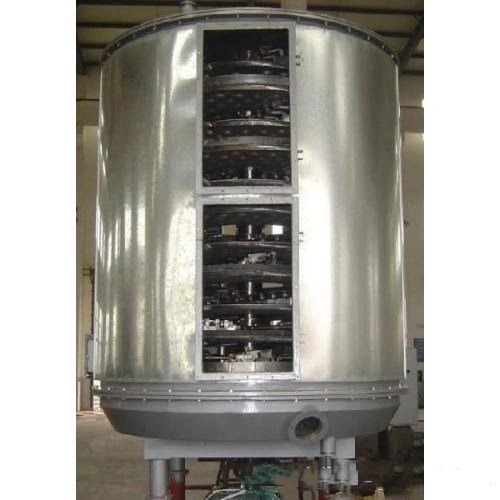
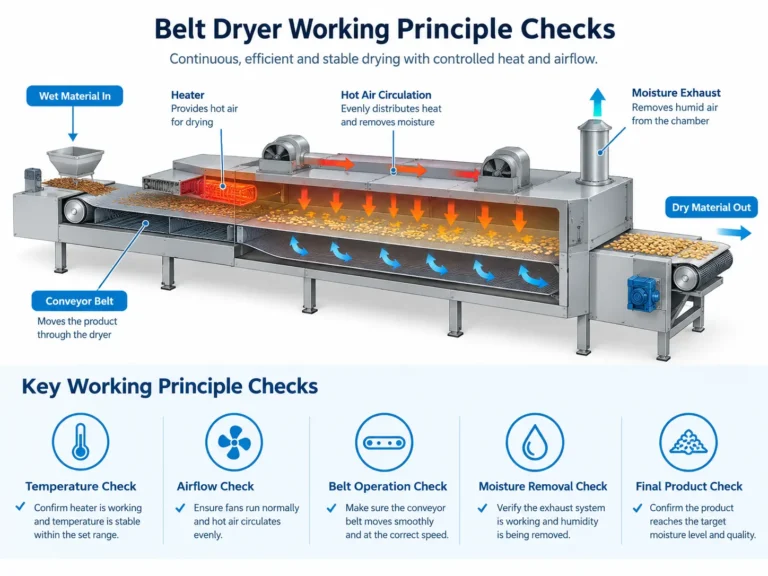
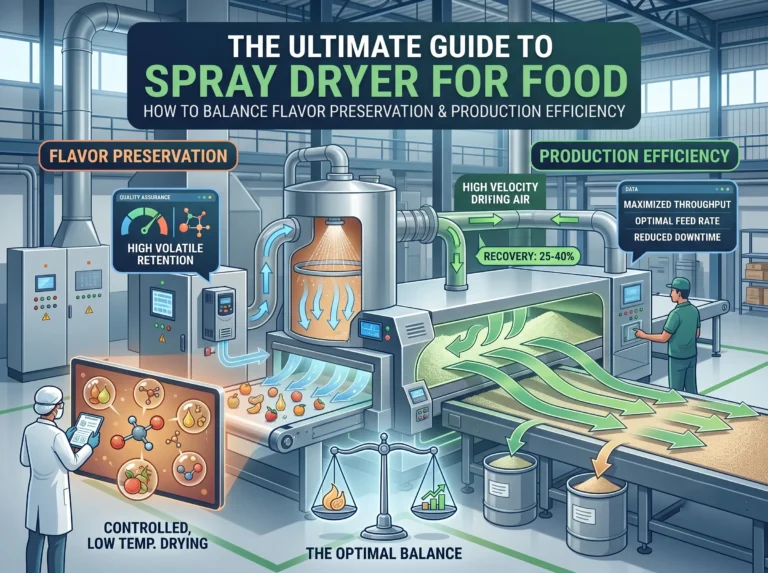
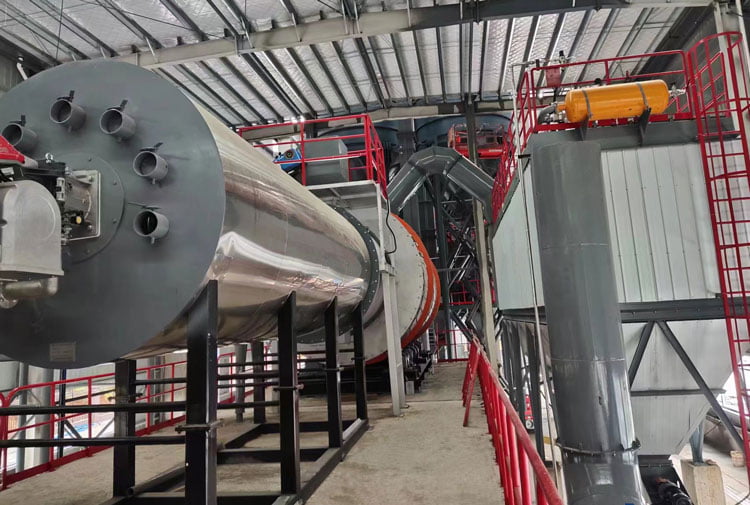
Trước khi lao vào thử thách, điều cần thiết là phải hiểu cơ chế cốt lõi của thiết bị này. A **Máy sấy cạp trống quay** (còn được gọi là máy sấy dạng trống hoặc máy sấy con lăn) là máy sấy kiểu dẫn điện liên tục. Không giống như máy sấy phun sử dụng khí nóng (sự đối lưu), máy sấy trống truyền nhiệt qua thành kim loại của xi lanh quay.
Quá trình này đơn giản nhưng đòi hỏi độ chính xác cực cao:
1. **Cho ăn**: Chất lỏng hoặc bùn được áp dụng cho bề mặt bên ngoài của trống quay.
2. **Truyền nhiệt**: Hơi nước, dầu nhiệt, hoặc nước nóng lưu thông bên trong trống, làm nóng bề mặt.
3. **Sấy**: Khi trống quay, độ ẩm trong màng mỏng của vật liệu bay hơi nhanh chóng.
4. **Cạo**: Lưỡi cào được căn chỉnh chính xác (cái “lưỡi bác sĩ”) loại bỏ màng rắn khô, rơi vào phễu thu gom dưới dạng mảnh hoặc bột.
Phương pháp này được đánh giá cao về hiệu suất nhiệt và khả năng xử lý các vật liệu nhạy nhiệt do thời gian tiếp xúc rất ngắn giữa vật liệu và bề mặt nóng..
Giải quyết cơn ác mộng về độ bám dính: Tại sao vật liệu dính và cách chúng tôi khắc phục nó
Một trong những lời phàn nàn thường xuyên nhất mà chúng tôi nghe được từ khách hàng là: *”Vật liệu của chúng tôi dính vào trống, biến thành một lớp vỏ cháy, và làm hỏng lô hàng.”*
vấn đề: Suy thoái nhiệt và liên kết
Vật liệu có độ nhớt cao, chẳng hạn như polyme, bột nhão tinh bột, hoặc thuốc nhuộm đậm đặc, có ái lực tự nhiên với bề mặt kim loại. Khi các vật liệu này tiếp xúc với nhiệt độ cao, độ nhớt của chúng ban đầu có thể giảm (trở nên dính hơn) trước khi chúng đông cứng lại. Nếu quá trình truyền nhiệt không được quản lý hoàn hảo, vật liệu “ổ khóa” lên bề mặt trống. Điều này dẫn đến:
Các Công ty CPSTECH Giải pháp: Kỹ thuật bề mặt nâng cao
Chúng tôi giải quyết vấn đề bám dính thông qua phương pháp kỹ thuật đa hướng:
Cuộc tìm kiếm sự đồng nhất: Đạt được độ ẩm nhất quán
Trong lĩnh vực B2B, tính nhất quán là dấu hiệu của chất lượng. Nếu vảy khô của bạn có độ ẩm khác nhau, các quy trình tiếp theo của bạn—chẳng hạn như xay xát hoặc đóng gói—sẽ bị ảnh hưởng.
vấn đề: Các “Lượn sóng” Phim và sự lập dị
Sấy không đều thường xuất phát từ độ dày màng vật liệu không nhất quán. Nếu màng quá dày ở một số khu vực, lõi sẽ không khô; nếu nó quá mỏng, nó sẽ quá khô hoặc cháy. Nguyên nhân phổ biến bao gồm:
Giải pháp của JSSTECH: Gia công chính xác và tự động hóa
Để đảm bảo mọi vảy đều đáp ứng thông số kỹ thuật về độ ẩm của bạn, chúng tôi thực hiện:
Khám phá các thông số kỹ thuật của chúng tôi để đảm bảo tính nhất quán tại đây: [Dòng máy sấy trống cạp](https://jscstech.cn/product-category/drying-series/conduction-transfer-dryer/drum-scraper-dryer/).
Kỹ thuật máy cạo hoàn hảo: Giảm việc bảo trì và bảo vệ trống
Lưỡi cạo là “anh hùng thầm lặng” của máy sấy trống, nhưng nó cũng là thành phần cần được quan tâm nhiều nhất.
vấn đề: Mặc, Rung, và Thiệt hại bề mặt
Một hệ thống cạp được thiết kế kém dẫn đến ba vấn đề lớn:
1. **Thay đổi lưỡi dao thường xuyên**: Lưỡi mềm bị mòn sau nhiều ngày; lưỡi cứng có thể “nói huyên thuyên” và để lại dư lượng không đồng đều.
2. **Sẹo trống**: Nếu áp suất lưỡi cắt quá cao hoặc vật liệu quá cứng, lưỡi dao có thể làm xước bề mặt trống đắt tiền.
3. **Đường vòng**: Vật liệu khô trượt dưới lưỡi dao, dẫn đến tích tụ và ô nhiễm.
Giải pháp của JSSTECH: Các “Tự mài sắc” Hệ thống Flex
Chúng tôi đã thiết kế lại cụm cạp vừa bền vừa nhẹ nhàng:
Tại sao chọnJSSTECH cho nhu cầu sấy khô của bạn?
Tại **JSCTECH**, “chúng tôi” tin rằng máy sấy không chỉ là một phần cứng; đó là lời hứa về sự ổn định sản xuất. Khi bạn hợp tác với chúng tôi, bạn không chỉ mua **Máy sấy cạp trống quay**; bạn đang đầu tư vào:
Để xem đầy đủ các giải pháp sấy dẫn nhiệt của chúng tôi và cách chúng có thể tích hợp vào cơ sở của bạn, truy cập trang danh mục của chúng tôi: [https://jscstech.cn/product-category/drying-series/conduction-transfer-dryer/drum-scraper-dryer/](https://jscstech.cn/product-category/drying-series/conduction-transfer-dryer/drum-scraper-dryer/).
Câu hỏi thường gặp: Câu hỏi thường gặp về máy sấy cạp trống quay
1. Những vật liệu nào phù hợp nhất cho máy sấy cạp trống?
Đó là lý tưởng cho chất lỏng, bùn, hoặc các vật liệu nhão có thể tạo thành màng. Điều này bao gồm tinh bột, men, các loại muối khác nhau, thuốc nhuộm hóa học, và dược phẩm trung gian nhạy cảm với nhiệt nhưng cần sấy khô nhanh.
2. Làm cách nào để ngăn vật liệu của tôi bị cháy trên trống?
Phòng ngừa bắt đầu bằng việc kiểm soát nhiệt độ chính xác. Bằng cách sử dụng VFD để tăng tốc độ trống và giảm áp suất hơi, bạn có thể giảm thời gian liên lạc. Ngoài ra, đảm bảo bề mặt trống được đánh bóng như gương sẽ ngăn chặn sự bám dính dẫn đến quá nhiệt cục bộ.
3. Bao lâu thì nên thay lưỡi cạo?
Điều này phụ thuộc hoàn toàn vào độ mài mòn của vật liệu. Đối với bột nhão hữu cơ mềm, một lưỡi dao có thể tồn tại được vài tháng. Đối với hóa chất mài mòn, nó có thể cần được thay thế vài tuần một lần. Hệ thống cân bằng khí nén của chúng tôi kéo dài đáng kể tuổi thọ của lưỡi dao bằng cách ngăn ngừa ma sát không cần thiết.
4. Máy sấy trống có thể được sử dụng cho các ứng dụng chân không?
Đúng. Tại CTCPSTECH, chúng tôi cung cấp **Máy sấy cạp trống chân không** cho các vật liệu cực kỳ nhạy cảm với oxy hoặc yêu cầu điểm sôi rất thấp để ngăn chặn sự suy giảm nhiệt.
5. Hiệu suất nhiệt điển hình của máy sấy trống là gì?
Máy sấy trống là một trong những máy sấy công nghiệp hiệu quả nhất, thường đạt 70-90% Hiệu suất nhiệt vì nhiệt được truyền trực tiếp qua thành kim loại mà không bị thất thoát nhiệt theo thể tích không khí lớn như máy sấy phun.
Phần kết luận
Hành trình tối ưu hóa quy trình sấy của bạn bắt đầu bằng việc xác định những trục trặc cơ học nhỏ dẫn đến tổn thất sản xuất lớn. Bằng cách giải quyết độ bám dính thông qua kỹ thuật bề mặt, đảm bảo tính đồng nhất thông qua gia công chính xác, và giảm thiểu việc bảo trì thông qua thiết kế cạp tiên tiến, **Máy sấy cạp trống quay** trở thành tài sản đắc lực trong kho vũ khí sản xuất của bạn.
Tại **JSCTECH**, chúng tôi tận tâm giải quyết những thách thức phức tạp này cùng với bạn. Nếu bạn sẵn sàng loại bỏ “độ dính” trong dây chuyền sản xuất của bạn, khám phá của chúng tôi [loạt sấy dẫn](https://jscstech.cn/product-category/drying-series/conduction-transfer-dryer/drum-scraper-dryer/) hoặc liên hệ với nhóm kỹ thuật của chúng tôi ngay hôm nay để được tư vấn tùy chỉnh.