Hướng dẫn cơ bản về máy trộn bột công nghiệp: Giải quyết các thách thức về tính đồng nhất và ô nhiễm
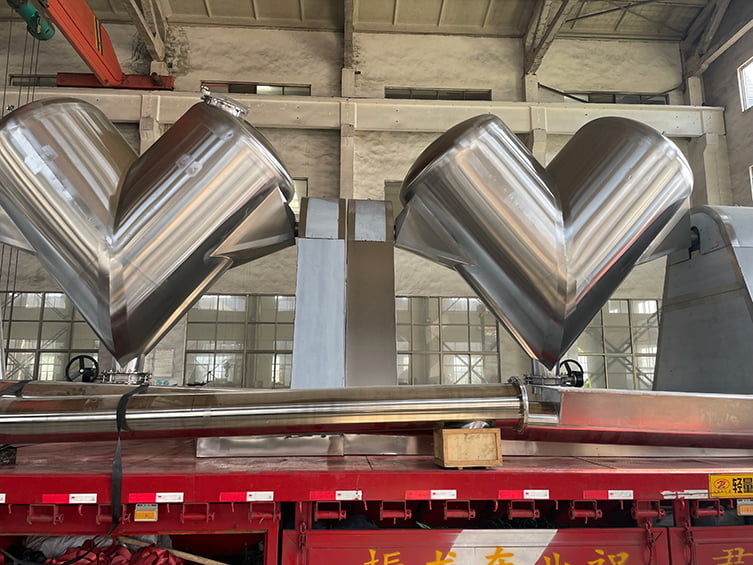
Hướng dẫn cơ bản về máy trộn bột công nghiệp
Trong thế giới sản xuất công nghiệp, độ chính xác của hỗn hợp có thể là sự khác biệt giữa một sản phẩm chất lượng cao và một lô rác thải tốn kém. Cho dù bạn đang ở trong ngành dược phẩm, chế biến thực phẩm, hoặc công nghiệp hóa chất, những thách thức của việc trộn bột vẫn nhất quán: làm thế nào để bạn đảm bảo tính đồng nhất tuyệt đối đồng thời loại bỏ nguy cơ lây nhiễm chéo?
Tại Công ty Cổ phần Công nghệ, với tư cách là nhóm tiếp thị nội dung nội bộ của bạn, chúng tôi hiểu rằng máy trộn bột công nghiệp không chỉ là một thiết bị; nó là một thành phần quan trọng trong hệ thống kiểm soát chất lượng của bạn. Trong hướng dẫn toàn diện này, chúng ta sẽ đi sâu vào các vấn đề kỹ thuật của việc trộn bột và khám phá các giải pháp xác định sự xuất sắc trong sản xuất hiện đại.
Tại sao trộn tính đồng nhất là cốt lõi của chất lượng sản xuất của bạn
Trộn đều (hoặc tính đồng nhất) là thước đo quan trọng nhất trong chế biến bột. Nếu máy trộn của bạn không thể đạt được sự phân bổ đều các thành phần—đặc biệt là các nguyên tố vi lượng—sản phẩm cuối cùng của bạn sẽ không đáp ứng được các tiêu chuẩn về an toàn và hiệu suất.
Chi phí tiềm ẩn của việc pha trộn không đồng đều
Khi tính đồng nhất bị tổn hại, hậu quả vượt ra ngoài phạm vi sản xuất. Trong lĩnh vực dược phẩm, Sự phân bố không đồng đều của hoạt chất dược chất (API) có thể dẫn đến dùng thuốc không hiệu quả hoặc, tệ hơn, độc tính. Trong ngành thực phẩm, nó dẫn đến cấu hình hương vị không nhất quán và ghi nhãn dinh dưỡng không chính xác.
Dành cho nhà sản xuất, điều này dẫn đến:
* Tỷ lệ từ chối cao: Những lô không đạt kiểm tra QC phải được làm lại hoặc loại bỏ.
* Thiệt hại thương hiệu: Sản phẩm không đồng nhất tiếp cận thị trường làm xói mòn lòng tin của khách hàng.
* Không tuân thủ quy định: Không đạt tiêu chuẩn GMP (Thực hành sản xuất tốt) tiêu chuẩn.
Làm sao “Vùng chết” Làm hỏng lô của bạn
Thủ phạm phổ biến của tính đồng nhất kém là sự hiện diện của “vùng chết” trong thùng trộn. Đây là những khu vực bột vẫn bị ứ đọng, không bao giờ tích hợp hoàn toàn với phần còn lại của lô. Máy trộn ruy băng truyền thống, trong khi phổ biến, thường xuyên bị điểm chết ở hai đầu trục hoặc dọc xả đáy.
Để giải quyết vấn đề này, chúng tôi tập trung vào các thiết kế thúc đẩy chuyển động đa chiều, đảm bảo mọi hạt chuyển động liên tục trong chu kỳ.
Giải quyết cơn ác mộng lây nhiễm chéo: Thiết kế vệ sinh tập trung
Đối với nhiều khách hàng của chúng tôi, vấn đề đau đầu nhất không phải là việc pha trộn mà là việc làm sạch. Trong một cơ sở đa sản phẩm, thời gian dành cho việc dọn dẹp giữa các đợt là thời gian ngừng hoạt động làm giảm lợi nhuận.
Xác định làm sạch các góc chết
MỘT “góc chết” có kẽ hở nào không, đầu bu lông, hoặc đường nối bên trong nơi bột có thể tích tụ và cản trở các quy trình làm sạch tiêu chuẩn. Những tàn dư này trở thành nơi sinh sản của vi khuẩn hoặc nguồn lây nhiễm chéo khi chuyển sang dòng sản phẩm khác.
Chúng tôi đã quan sát thấy rằng nhiều máy trộn công nghiệp có sẵn không thành công vì chúng ưu tiên tính đơn giản về mặt cơ học hơn là kỹ thuật vệ sinh.. Nếu bạn không thể nhìn thấy nó, bạn không thể làm sạch nó—và nếu bạn không thể làm sạch nó, bạn không thể đảm bảo độ tinh khiết của mẻ tiếp theo.
Tầm quan trọng của việc xây dựng tuân thủ GMP
Để chống ô nhiễm, chúng tôi ủng hộ các máy trộn được chế tạo bằng:
* Đánh bóng toàn gương: Bề mặt bên trong được đánh bóng tới Ra ≤ 0,4μm để ngăn chặn sự bám dính của bột.
* Hàn liền mạch: Loại bỏ các khoảng trống nơi vật liệu có thể ẩn.
* Tháo gỡ không cần dụng cụ: Cho phép người vận hành tiếp cận tất cả các bộ phận bên trong để làm sạch sâu mà không cần kỹ năng cơ khí chuyên dụng.
Chọn máy trộn phù hợp: Hình chữ V vs. Máy trộn hình nón vuông
Việc lựa chọn công nghệ phù hợp phụ thuộc vào đặc tính vật liệu và yêu cầu về độ tinh khiết của bạn. Tại CTCPSTech, chúng tôi chuyên về dòng máy trộn có độ chính xác cao được thiết kế để đáp ứng những nhu cầu chính xác này. Bạn có thể khám phá đầy đủ các giải pháp của chúng tôi tại đây: Dòng trộn công nghiệp.
Máy trộn hình chữ V: Hiệu quả đối với chất rắn chảy tự do
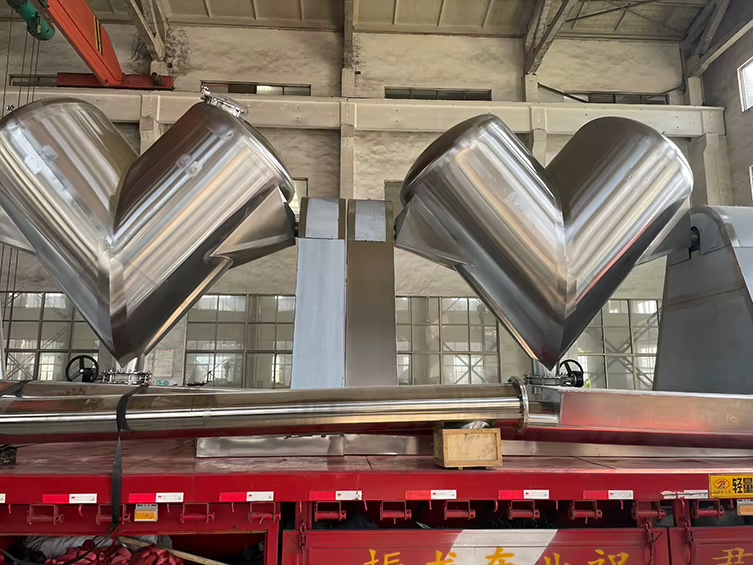
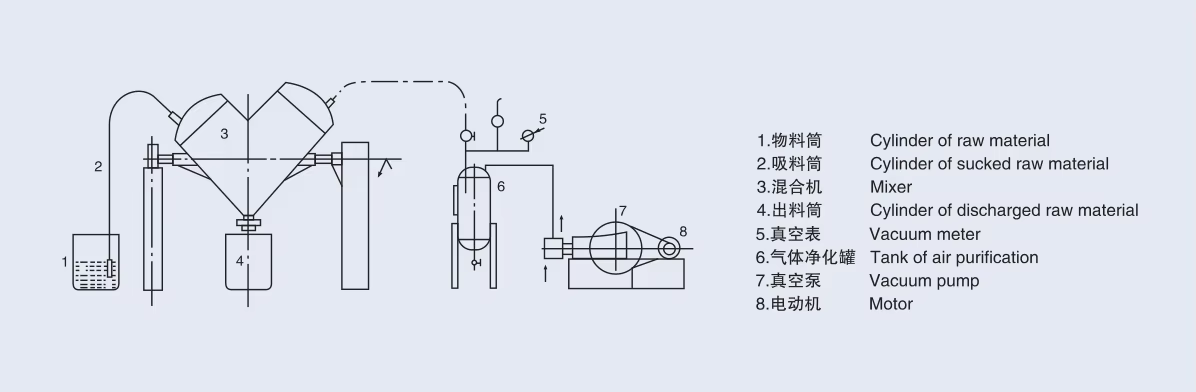
Các Máy trộn hình chữ V là sự lựa chọn cổ điển cho vật liệu dạng bột và dạng hạt khô. Hình dạng độc đáo của nó tạo ra hiệu ứng phân tách và hợp nhất liên tục khi tàu quay.
Tại sao nên chọn máy trộn hình chữ V?
* Không cắt cơ học: Lý tưởng cho các vật liệu dễ vỡ không thể phá vỡ.
* Xả đơn giản: Hình chữ V dẫn vật liệu về phía van xả một cách tự nhiên, giảm thiểu dư lượng.
* Dễ dàng truy cập: Các lỗ mở lớn giúp nó trở thành một trong những máy trộn dễ kiểm tra và làm sạch thủ công nhất.
Đối với các ứng dụng yêu cầu đơn giản, trộn hiệu quả cao của bột chảy tự do, cái Máy trộn hình chữ V vẫn là người biểu diễn hàng đầu.
Máy trộn hình nón vuông: Tiêu chuẩn cho độ chính xác của dược phẩm
Khi cần có sự đồng nhất tuyệt đối và không thải cặn, cái Máy trộn hình nón vuông (còn được gọi là Máy xay sinh tố Bin) là tiêu chuẩn vàng của ngành. Thiết kế bất đối xứng của nó tạo ra một sự phức tạp “nhào lộn + sự cắt xén” chuyển động phá vỡ các khối kết tụ và đảm bảo tính đồng nhất hoàn hảo trong thời gian kỷ lục.
Ưu điểm chính:
* Vùng chết miễn phí: Sự chuyển đổi từ vuông sang tròn của hình nón đảm bảo không có điểm ứ đọng.
* Xử lý tích hợp: Nhiều hệ thống hình nón vuông của chúng tôi cho phép trộn trực tiếp trong thùng vận chuyển, loại bỏ nhu cầu vận chuyển nguyên liệu và giảm hơn nữa rủi ro ô nhiễm.
* Hệ số tải cao: Nó xử lý khối lượng lấp đầy khác nhau tốt hơn hầu hết các máy trộn ngang.
Khám phá cách của chúng tôi Máy trộn hình nón vuông có thể biến đổi sản xuất dược phẩm hoặc hóa chất có độ tinh khiết cao của bạn.
Cách chúng tôi thiết kế sự xuất sắc: Phương pháp trộn bột công nghiệp của chúng tôi
Tại CTCPSTech, “chúng tôi” không chỉ bán máy móc; chúng tôi cung cấp bảo mật quy trình. Đội ngũ kỹ thuật của chúng tôi tiếp cận mọi máy trộn bột công nghiệp với trọng tâm là ba trụ cột:
- Kiểm tra vật liệu: Chúng tôi phân tích khả năng chảy của bột, mật độ lớn, và độ ẩm để đề xuất tốc độ và thời gian trộn tối ưu.
- Nội bộ tùy chỉnh: Tùy thuộc vào nhu cầu của bạn, chúng ta có thể tích hợp các thanh tăng cường để phá vỡ các khối hoặc hệ thống phun chất lỏng cho các ứng dụng sơn phủ.
- An toàn và tuân thủ: Tất cả các máy trộn của chúng tôi được thiết kế để đáp ứng các tiêu chuẩn quốc tế, bao gồm chứng nhận CE và hướng dẫn GMP, đảm bảo khoản đầu tư của bạn là bằng chứng trong tương lai.
Hướng dẫn mua hàng: Các yếu tố chính cần xem xét trước khi mua
Trước khi bạn hoàn tất việc mua sắm của mình, hỏi bốn câu hỏi này:
- Kích thước lô là gì so với. Tỷ lệ lấp đầy? Máy trộn có “điền tối ưu” (thường xuyên 40-60%). Chạy máy trộn quá đầy hoặc quá trống sẽ làm giảm đáng kể độ đồng đều.
- Vật liệu dễ vỡ như thế nào? Nếu bạn đang trộn hạt cà phê hoặc tinh thể tinh tế, bạn cần một máy trộn (như hình chữ V) chứ không phải là một máy xay ruy băng cắt cao.
- Bạn có thường xuyên thay đổi sản phẩm không? Nếu bạn thay đổi sản phẩm ba lần một ngày, “Làm sạch tại chỗ” (CIP) khả năng hoặc thiết kế dễ tháo lắp quan trọng hơn chi phí ban đầu.
- Có thành phần dấu vết không? Nếu bạn đang thêm 0.1% của một hoạt chất, bạn cần một máy trộn hình nón vuông có độ chính xác cao để đảm bảo nó được phân bổ đều khắp 99.9% căn cứ.
Phần kết luận
Đầu tư đúng chỗ máy trộn bột công nghiệp là một quyết định chiến lược tác động đến toàn bộ chuỗi cung ứng của bạn. Bằng cách giải quyết các vấn đề cốt lõi về tính đồng nhất của việc trộn và làm sạch vùng chết, bạn giảm chất thải, bảo vệ thương hiệu của bạn, và tăng hiệu quả hoạt động của bạn.
Tại Công ty Cổ phần Công nghệ, chúng tôi tận tâm giúp bạn tìm thấy sự cân bằng hoàn hảo giữa hiệu suất và vệ sinh. Ghé thăm của chúng tôi Danh mục dòng trộn để xem máy trộn hình chữ V và hình nón vuông của chúng tôi có thể nâng cao năng suất của bạn như thế nào ngay hôm nay.
Câu hỏi thường gặp: Câu hỏi thường gặp về Trộn bột công nghiệp
1. Một chu trình trộn thông thường sẽ mất bao lâu?
Đối với hầu hết các máy trộn hỗn hợp như máy trộn hình chữ V hoặc hình nón vuông, một chu kỳ điển hình diễn ra giữa 5 ĐẾN 20 phút, tùy thuộc vào đặc tính của vật liệu và mức độ đồng nhất cần thiết.
2. Tôi có thể trộn bột ướt và bột khô bằng máy trộn này không?
Mặc dù chúng được thiết kế chủ yếu để trộn bột khô, một lượng nhỏ chất lỏng có thể được thêm vào thông qua thanh tăng cường hoặc vòi phun. Tuy nhiên, cho bột nhão có độ nhớt cao, một lưỡi sigma hoặc máy trộn hành tinh sẽ thích hợp hơn.
3. Máy trộn bột công nghiệp sử dụng chất liệu gì tốt nhất?
Thép không gỉ 304 là tiêu chuẩn cho hầu hết các ứng dụng công nghiệp. Đối với các yêu cầu cấp dược phẩm và thực phẩm, Thép không gỉ 316L được ưa chuộng hơn nhờ khả năng chống ăn mòn vượt trội và dễ khử trùng.
4. Làm cách nào để xác minh xem hỗn hợp của tôi có thực sự đồng nhất hay không?
Tính đồng nhất thường được xác minh bằng cách lấy mẫu từ nhiều điểm trong lô (đứng đầu, ở giữa, đáy) và thực hiện một “Hệ số biến thiên” (CV) Phân tích. CV không quá 5% nói chung được coi là xuất sắc.
5. Máy trộn hình nón vuông có tốt hơn máy trộn hình chữ V không?
“Tốt hơn” phụ thuộc vào ứng dụng. Máy trộn hình nón vuông thường cung cấp khả năng trộn tốt hơn cho bột kết dính và có ít cặn hơn, trong khi máy trộn hình chữ V dễ bảo trì hơn và có hiệu quả cao đối với các hạt chảy tự do.