Secador por spray vs secador de tambor rotativo: O que é melhor para o seu material?
Secador por spray vs secador de tambor rotativo
Quando você está planejando uma nova linha de processamento de pó, uma das decisões mais críticas que você tomará é escolher a tecnologia de secagem certa. Para muitos materiais, a escolha se resume a duas opções populares: secadores por spray vs secadores de tambor rotativo. Ambos funcionam bem para secagem industrial, mas são projetados para tipos de materiais e objetivos de produção completamente diferentes..
Escolha o errado, e você pode acabar com custos de energia mais elevados, pior qualidade do produto, ou até mesmo um secador que não consegue lidar com sua matéria-prima. Vamos analisar as principais diferenças, aplicações típicas, e como escolher.
O que é um Spray secador e quando você deve usá-lo?
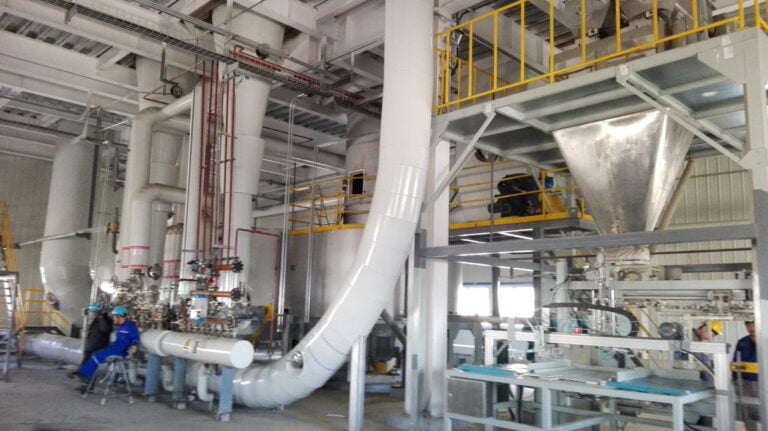
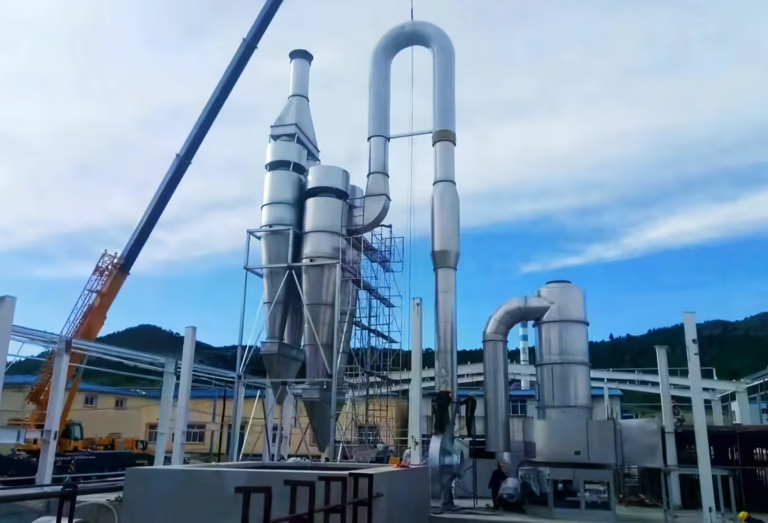
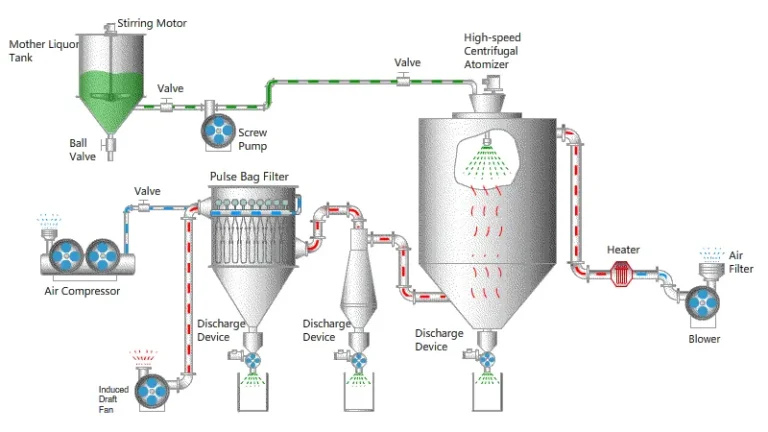
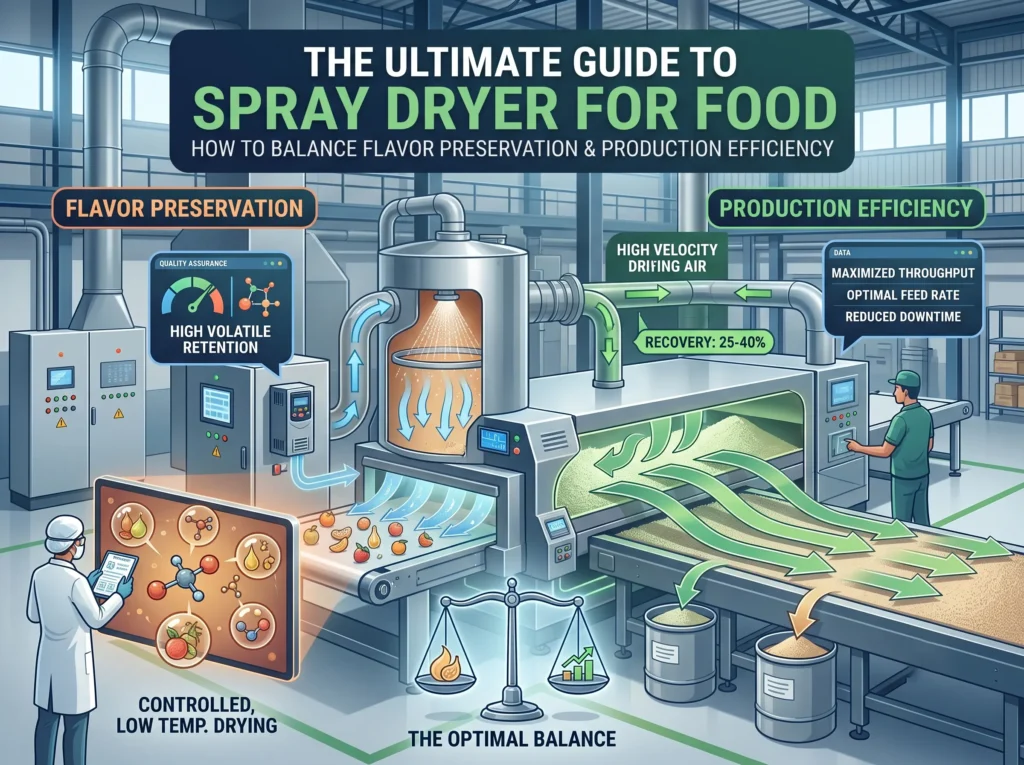
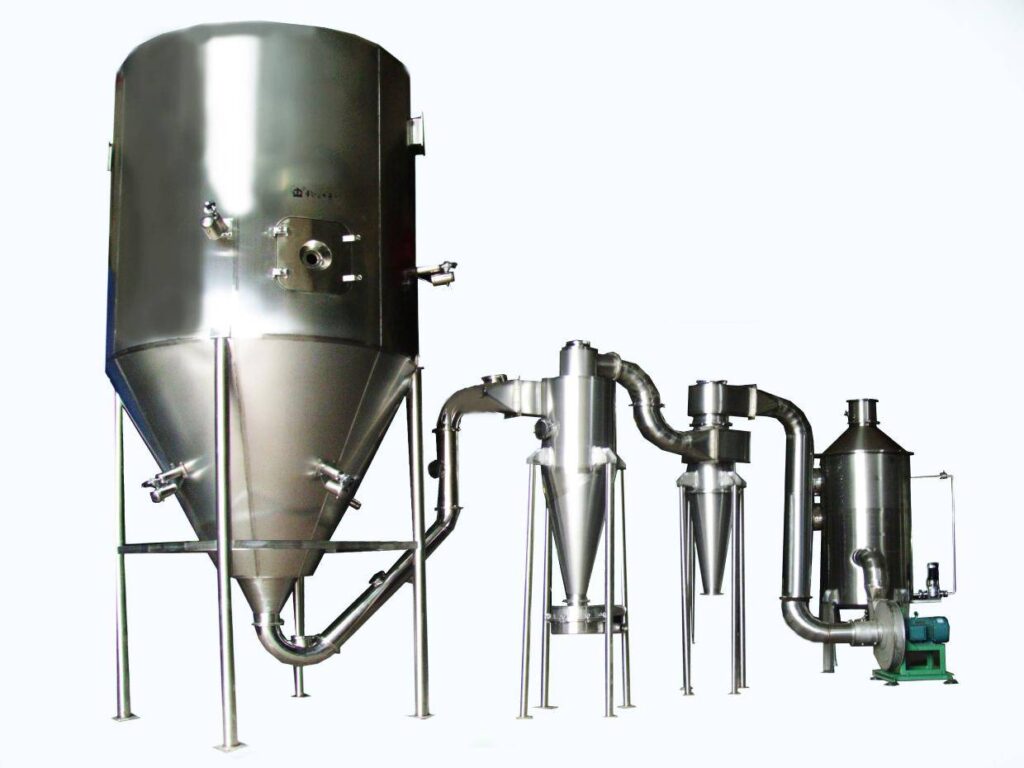
Um secador por spray atomiza seu alimento líquido em gotículas finas, em seguida, sopra ar quente através do spray para evaporar rapidamente a umidade. Isto produz um pó de fluxo livre diretamente da alimentação líquida em uma etapa contínua.
Melhores aplicações para secadores por spray:
- Leite em pó e produtos lácteos
- Café e chá instantâneo
- API farmacêutica e extratos de ervas
- Aromas e corantes alimentares
- Pós químicos finos que precisam de tamanho de partícula controlado
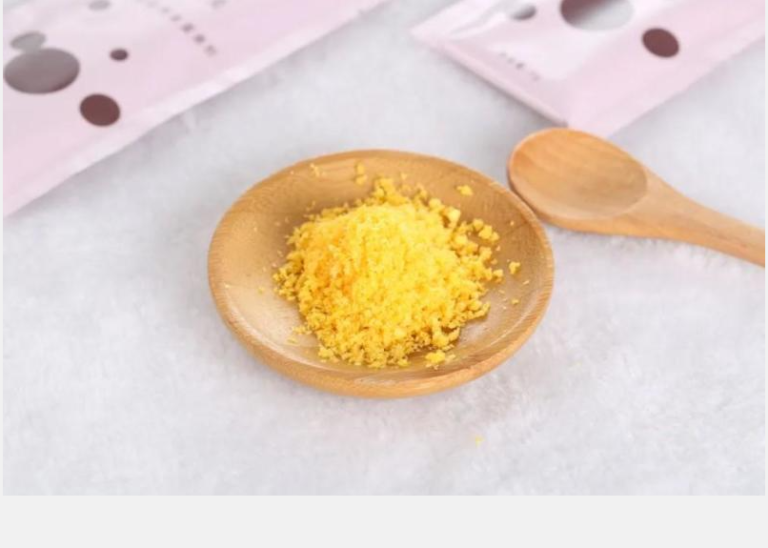
A maior vantagem da secagem por pulverização é que ela produz um pó pronto para uso em uma única etapa, com excelente controle sobre a distribuição do tamanho das partículas e o teor de umidade. Também é mais suave do que a secagem rotativa para materiais sensíveis ao calor, quando configurada corretamente.
O que é um secador de tambor rotativo e quando você deve usá-lo?
Um secador de tambor rotativo (ou secador rotativo) é um tambor cilíndrico giratório que gira lentamente o material úmido à medida que o ar quente passa por ele. A ação de rotação contínua proporciona uma transferência de calor consistente, tornando-o ideal para materiais de maior viscosidade e bolo úmido que não podem ser atomizados.
Melhores aplicações para secadores de tambor rotativo:
- Pastas de alta viscosidade (levedura, amido, mandioca)
- Filtrar bolos e lamas
- Areia mineral, minério, e agregados
- Materiais orgânicos de grande tamanho de partículas
- Biomassa e lascas de madeira
Os secadores de tambor rotativo lidam com materiais de maior viscosidade que simplesmente não podem ser bombeados e atomizados para secagem por pulverização. Eles também são geralmente mais robustos para produção contínua pesada de tamanhos de partículas maiores.
Comparação de chaves: Secador por spray vs secador de tambor rotativo
| Fator | Spray secador | Secador de tambor rotativo |
|---|---|---|
| Tipo de feed | Líquido bombeável / pasta | Bolo molhado / pasta de alta viscosidade / grânulos |
| Formulário do produto | Pó fino de fluxo livre | Grânulos mais grossos / flocos |
| Controle de tamanho de partícula | Excelente | Bom |
| Eficiência energética | Bom para pós finos | Excelente para alimentação com alto teor de sólidos |
| Taxa de transferência | Contínuo, médio a alto | Contínuo, muito alto |
Como escolher entre eles para o seu processo
Faça a si mesmo estas perguntas para fazer a escolha certa:
- Qual é o seu formulário de feed? Se você puder bombeá-lo como um líquido/pasta e precisar de um pó fino ? secador de spray. Se for um bolo úmido ou uma pasta de alta viscosidade que não pode ser atomizada ? secador de tambor rotativo.
- Qual tamanho de partícula você precisa? Se você precisar de um pó fino consistente para dissolução instantânea ? secador de spray. Se você tiver partículas maiores ou não precisar de pó fino ? secador de tambor rotativo.
- Qual é o seu rendimento? Ambos lidam com alto volume, mas os secadores rotativos podem lidar com massas maiores de sólidos úmidos quando você já tiver bolo filtrado.
Ainda não tenho certeza? Nós podemos ajudar
Na tecnologia de secagem Jiangsu Changshi, entendemos que escolher o equipamento de secagem certo é uma grande decisão – errar custa tempo e dinheiro. É por isso que oferecemos:
- ? Testes de materiais gratuitos: Teste seu material real em nossas instalações de teste para confirmar qual secador funciona melhor
- ? 100% engenharia personalizada: Dimensionamos e projetamos o secador especificamente para o seu material, teor de umidade, e capacidade de produção
- ? Otimização energética: Integramos a recuperação de calor sempre que possível para reduzir os seus custos operacionais a longo prazo
- ? Orçamentos rápidos e entrega no prazo: Sabemos que o cronograma do seu projeto é importante, e entregamos dentro do prazo
Se você ainda não tem certeza de qual solução de secagem é ideal para o seu produto, entre em contato com nossa equipe de engenharia hoje. Ajudaremos você a avaliar suas opções e encontrar o secador certo para seu processo.
Este guia ajuda os gerentes de compras e engenheiros de processo a compreender as diferenças entre os secadores por pulverização e os secadores de tambor rotativo para tomar a decisão certa para sua planta de processamento de pó..