Le guide ultime des séchoirs à grattoir à tambour rotatif: Résoudre les problèmes de viscosité élevée et d’adhérence
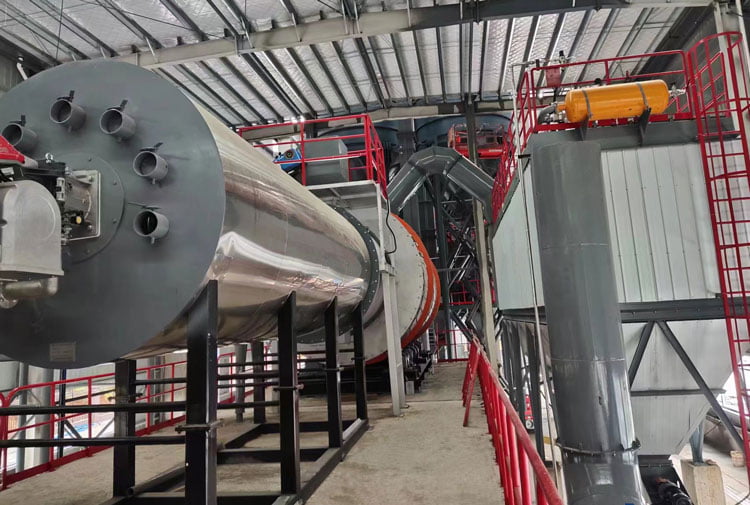
Le guide ultime des séchoirs à grattoir à tambour rotatif
Dans le paysage sophistiqué du traitement thermique industriel, la transition d'une matière première liquide ou pâteuse à un flocon ou une poudre solide de haute qualité se heurte souvent à des obstacles techniques. Pour les fabricants traitant de produits chimiques sensibles, pâtes alimentaires, ou intermédiaires pharmaceutiques, le choix de la technologie de séchage n’est pas seulement une question d’efficacité, c’est aussi une question d’intégrité du processus.
Chez **JSCSTECH**, en tant qu'équipe consultative interne en matière de marketing de contenu et d'ingénierie, nous avons passé des années à observer les luttes des opérateurs sur le site de production. Nous avons vu comment les matériaux à haute viscosité peuvent transformer une opération de séchage standard en un cauchemar de maintenance.. C'est pourquoi nous nous spécialisons dans le **Séchoir à tambour rotatif**, une solution de séchage par conduction conçue spécifiquement pour répondre aux besoins les plus “difficile” matériaux dans votre inventaire.
Dans ce guide complet, nous explorerons l'ingénierie derrière le séchoir à tambour et fournirons des solutions concrètes aux trois problèmes les plus courants.: adhérence du matériau, séchage irrégulier, et entretien fréquent du grattoir.
Qu'est-ce qu'un séchoir à grattoir à tambour rotatif?
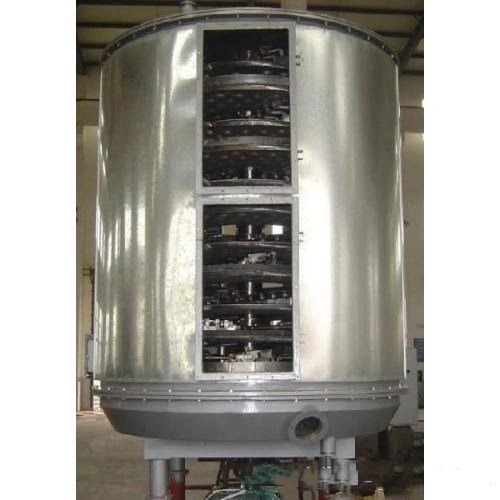
Avant de plonger dans les défis, il est essentiel de comprendre le mécanisme de base de cet équipement. A **Séchoir à tambour rotatif** (également connu sous le nom de floconneur à tambour ou séchoir à rouleaux) est un séchoir à conduction continue. Contrairement aux séchoirs par pulvérisation qui utilisent de l'air chaud (convection), le séchoir à tambour transfère la chaleur à travers la paroi métallique d'un cylindre rotatif.
Le processus est d’une simplicité élégante mais nécessite une précision extrême:
1. **Alimentation**: Le liquide ou la boue est appliqué sur la surface extérieure du tambour rotatif.
2. **Transfert de chaleur**: Vapeur, huile thermique, ou de l'eau chaude circule à l'intérieur du tambour, chauffer la surface.
3. **Séchage**: Pendant que le tambour tourne, l'humidité contenue dans la fine pellicule de matériau s'évapore rapidement.
4. **Grattage**: Une lame de grattoir alignée avec précision (le “lame de docteur”) enlève le film solide séché, qui tombe dans une trémie de collecte sous forme de flocons ou de poudre.
Cette méthode est très appréciée pour son efficacité thermique et sa capacité à manipuler des matériaux sensibles à la chaleur en raison du temps de contact très court entre le matériau et la surface chaude..
Résoudre le cauchemar de l’adhésion: Pourquoi les matériaux collent et comment nous les réparons
L'une des plaintes les plus fréquentes que nous entendons de la part des clients est: *”Notre matériel colle au tambour, se transformer en croûte brûlée, et ruiner le lot.”*
Le problème: Dégradation thermique et liaison
Matériaux à haute viscosité, comme les polymères, pâtes d'amidon, ou colorants concentrés, avoir une affinité naturelle pour les surfaces métalliques. Lorsque ces matériaux sont exposés à des températures élevées, leur viscosité peut baisser dans un premier temps (devenant plus collant) avant qu'ils ne se solidifient. Si le transfert de chaleur n’est pas parfaitement géré, le matériel “serrures” sur la surface du tambour. Cela conduit à:
Le JSCSTECH Solution: Ingénierie avancée des surfaces
Nous abordons l’adhésion grâce à une approche d’ingénierie à plusieurs volets:
La quête de l'uniformité: Obtenir une teneur en humidité constante
Dans le secteur B2B, la cohérence est la marque de la qualité. Si vos flocons séchés ont des niveaux d'humidité variables, vos processus en aval, tels que le broyage ou l'emballage, en souffriront.
Le problème: Le “Ondulé” Film et excentricité
Un séchage irrégulier provient généralement d’une épaisseur de film de matériau incohérente. Si le film est trop épais à certains endroits, le noyau ne sèche pas; si c'est trop mince, il va trop sécher ou brûler. Les causes courantes incluent:
La solution JSCSTECH: Usinage de précision et automatisation
Pour garantir que chaque flocon répond à vos spécifications d'humidité, nous mettons en œuvre:
Explorez nos spécifications techniques pour plus de cohérence ici: [Série de sécheurs à grattoir à tambour](https://jscstech.cn/product-category/drying-series/conduction-transfer-dryer/drum-scraper-dryer/).
Ingénierie du grattoir parfait: Réduire la maintenance et protéger le tambour
La lame du grattoir est la “héros méconnu” du séchoir à tambour, mais c'est aussi le composant qui demande le plus d'attention.
Le problème: Porter, Vibration, et dommages superficiels
Un système de grattoir mal conçu entraîne trois problèmes majeurs:
1. **Changements de lame fréquents**: Les lames souples s'usent en quelques jours; les lames dures peuvent “bavarder” et laisse des résidus inégaux.
2. **Cicatrices du tambour**: Si la pression de la lame est trop élevée ou si le matériau est trop dur, la lame peut rayer la surface coûteuse du tambour.
3. **By-pass**: Le matériau séché glisse sous la lame, conduisant à une accumulation et à une contamination.
La solution JSCSTECH: Le “Auto-affûtage” Système Flex
Nous avons repensé l'ensemble du grattoir pour qu'il soit à la fois durable et doux.:
Pourquoi choisir JSCSTECH pour vos besoins de séchage?
Chez **JSCSTECH**, “nous” je crois qu'une sécheuse est plus qu'un simple élément matériel; c'est une promesse de stabilité de la production. Lorsque vous faites équipe avec nous, vous n'achetez pas seulement un **Séchoir à tambour rotatif**; vous investissez dans:
Pour voir notre gamme complète de solutions de séchage par conduction et comment elles peuvent s'intégrer dans votre installation, visitez notre page de catégorie: [https://jscstech.cn/product-category/drying-series/conduction-transfer-dryer/drum-scraper-dryer/](https://jscstech.cn/product-category/drying-series/conduction-transfer-dryer/drum-scraper-dryer/).
FAQ: Questions fréquemment posées sur les séchoirs à grattoir à tambour rotatif
1. Quels matériaux sont les mieux adaptés pour un séchoir à tambour?
Il est idéal pour le liquide, boue, ou des matières pâteuses pouvant former un film. Cela inclut l'amidon, levure, divers sels, colorants chimiques, et intermédiaires pharmaceutiques sensibles à la chaleur mais nécessitant un séchage rapide.
2. Comment puis-je empêcher mon matériel de brûler sur le tambour?
La prévention commence par un contrôle précis de la température. En utilisant un VFD pour augmenter la vitesse du tambour et réduire la pression de la vapeur, vous pouvez réduire le temps de contact. En plus, assurer une surface de tambour polie comme un miroir empêche l'adhérence qui conduit à une surchauffe localisée.
3. À quelle fréquence faut-il remplacer la lame du grattoir?
Cela dépend entièrement de l’abrasivité du matériau. Pour pâtes molles bio, une lame peut durer plusieurs mois. Pour produits chimiques abrasifs, il faudra peut-être le remplacer toutes les quelques semaines. Notre système d'équilibrage pneumatique prolonge considérablement la durée de vie de la lame en évitant les frottements inutiles..
4. Un séchoir à tambour peut-il être utilisé pour les applications sous vide?
Oui. Chez JSCSTECH, nous proposons des **séchoirs à tambour sous vide** pour les matériaux extrêmement sensibles à l'oxygène ou nécessitant des points d'ébullition très bas pour éviter la dégradation thermique..
5. Quelle est l'efficacité thermique typique d'un séchoir à tambour?
Les séchoirs à tambour font partie des séchoirs industriels les plus efficaces, atteignant généralement 70-90% efficacité thermique car la chaleur est transférée directement à travers la paroi métallique sans les pertes thermiques massives dans le volume d'air associées aux séchoirs par pulvérisation.
Conclusion
Le parcours vers l’optimisation de votre processus de séchage commence par l’identification des petites pannes mécaniques qui entraînent d’importantes pertes de production.. En abordant l’adhésion grâce à l’ingénierie des surfaces, assurer l'uniformité grâce à un usinage de précision, et réduction de la maintenance grâce à une conception avancée du grattoir, le **Séchoir à tambour rotatif** devient un atout puissant dans votre arsenal de fabrication.
Chez **JSCSTECH**, nous nous engageons à résoudre ces défis complexes à vos côtés. Si vous êtes prêt à éliminer le “caractère collant” dans votre chaîne de production, explorez notre [série de séchage par conduction](https://jscstech.cn/product-category/drying-series/conduction-transfer-dryer/drum-scraper-dryer/) ou contactez notre équipe d'ingénierie dès aujourd'hui pour une consultation personnalisée.