5 Factores de selección del secador de lecho fluido esencial frente al secador rotatorio
5 Factores de selección del secador de lecho fluido esencial frente al secador rotatorio
Si su planta elige entre un secador de lecho fluido y un secador rotativo, la decisión equivocada puede crear humedad inestable, polvo excesivo, o un programa de mantenimiento difícil. en nuestro 20 años de fabricación de equipos de secado, Comparamos el material primero y la máquina después.. Esta guía brinda a los equipos de adquisiciones e ingeniería un marco de selección práctico..
¿Cómo manejan los diseños de secadores de lecho fluido y secadores rotativos diferentes materiales??
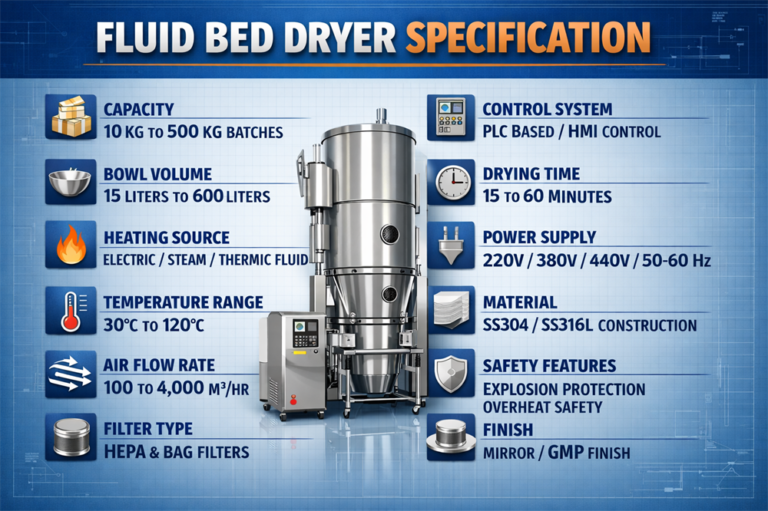
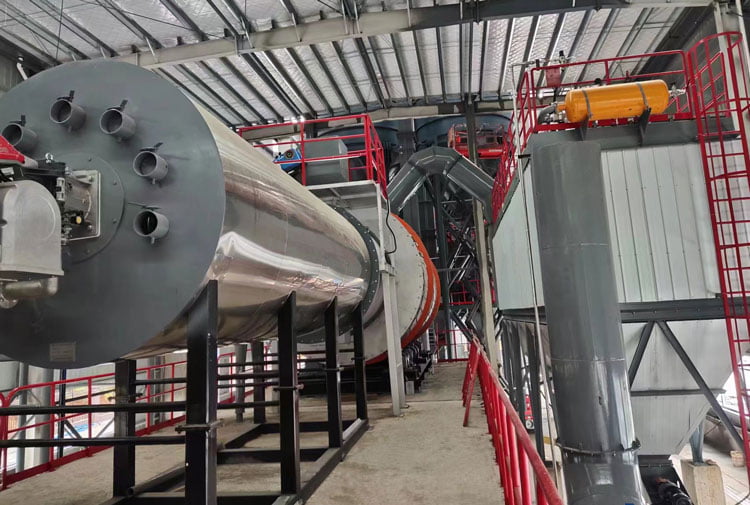
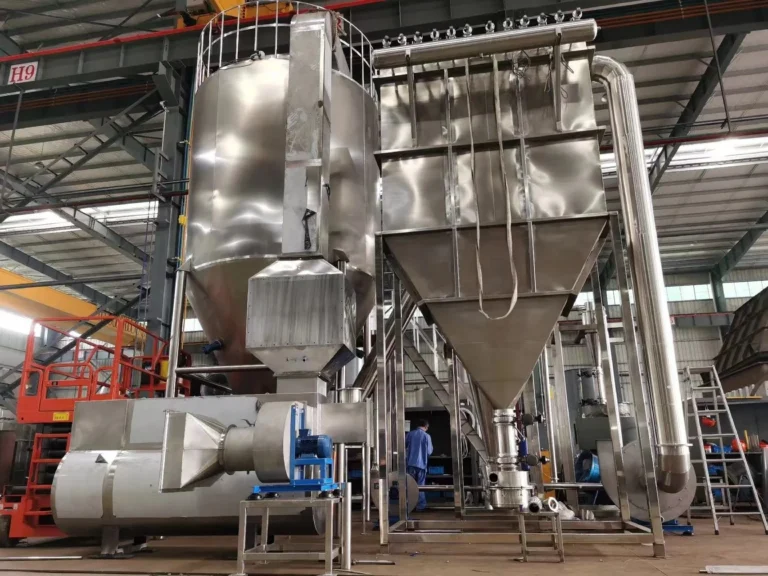
Un secador de lecho fluido suspende partículas en una corriente de aire ascendente, por lo que funciona mejor cuando la alimentación fluye razonablemente libremente y tiene una distribución de tamaño de partícula controlable. Un secador rotatorio utiliza la rotación del tambor y el contacto con el aire para mover el material a través del sistema.. La primera pregunta sobre la adquisición en la evaluación de un secador de lecho fluido frente a un secador rotativo es si el alimento puede fluidizarse sin aglomerarse ni canalizarse..
En JSCSTECH, revisamos el contenido de humedad, densidad aparente, tamaño de partícula, pegajosidad, abrasividad, y humedad final requerida antes de seleccionar el equipo. Esta revisión de material previene un error común en el proyecto.: especificar una unidad de lecho fluido para un alimento que se comporta como una pasta o una torta altamente cohesiva.
¿Qué opción ofrece un mejor rendimiento y control del tiempo de residencia??
Los secadores rotativos a menudo se seleccionan para una amplia variabilidad de alimentación y un manejo continuo de alto rendimiento.. Los sistemas de lecho fluido ofrecen un control más preciso de la velocidad del aire, temperatura de la cama, y tiempo de residencia cuando las partículas permanecen fluidizadas. Ninguna ventaja en la comparación entre un secador de lecho fluido y un secador rotatorio debe asumirse sin una prueba del material y una ventana operativa definida..
Pídale al proveedor que le muestre la base de diseño para la tasa de alimentación., humedad de entrada, humedad de salida, temperatura del aire, y tiempo de residencia. Para una nueva línea, Solicite datos de carga completa y parcial para que la decisión de compra refleje la forma en que funcionará realmente su planta..
¿Qué diferencias de costos operativos debe calcular un comprador??
El uso de energía depende de la carga de agua., temperatura del aire, humedad de escape, recuperación de calor, y las especificaciones del producto, no simplemente en el nombre de la secadora. Un diseño de lecho fluido puede transferir calor de manera eficiente para una alimentación granular adecuada, mientras que un diseño rotativo puede tolerar una alimentación más amplia y abrasiva sin interrupciones frecuentes.
Construya la comparación entre el secador de lecho fluido y el secador rotatorio en torno al consumo de energía específico por kilogramo de agua evaporada., intervalos de mantenimiento, recolección de polvo, mano de obra, y tiempo de inactividad esperado. Nuestro enfoque de ciclo de vida completo también considera los intercambiadores de calor y la optimización del ciclo térmico en lugar de comparar únicamente el precio de compra..
¿Cómo afectan los riesgos de mantenimiento y contaminación a la selección??
Los sistemas de lecho fluido pueden proporcionar un manejo controlado de los gránulos, pero pueden requerir una cuidadosa distribución del aire., mantenimiento del filtro, y diseño de limpieza. Los equipos rotativos pueden ser mecánicamente robustos, aún usa piezas, sellos, vuelos, y la acumulación interna debe incluirse en el plan de mantenimiento..
para comida, farmacéutico, químico, o aplicaciones minerales, pregunta por el método de limpieza, especificación del material de contacto, acceso de inspección, y procedimiento de cambio antes de seleccionar una configuración de secador de lecho fluido versus secador rotatorio. A 100% El diseño a medida es valioso cuando la higiene, abrasión, o el control de la contaminación cambia el diseño del equipo.
Secador de lecho fluido versus secador rotatorio: Tabla de selección práctica
| factor de decisión | Secador de lecho fluido | Secador rotatorio |
|---|---|---|
| Mejor comportamiento de alimentación | Gránulos que fluyen libremente | Variable, abrasivo, o tomas difíciles |
| Prioridad de control | Velocidad del aire y temperatura del lecho. | Transporte robusto y amplia tolerancia |
| Controles principales | Fluidización, filtros, recolección de polvo | Tener puesto, sellos, vuelos, acumulación interna |
| Pruebas de adquisiciones | Prueba de materiales y base de distribución de aire. | Balance de masa y base desgaste/rendimiento |
Lista de verificación de auditoría de proveedores: 5 Documentos a solicitar antes de firmar una orden de compra
- “
- Informe de prueba de material que muestra la humedad., densidad, tamaño de partícula, y comportamiento de secado.
- Balance de masa y energía utilizando valores acordados de humedad de entrada y salida..
- Cálculo del tiempo de residencia y del rendimiento para funcionamiento a carga completa y a carga parcial.
- Piezas de desgaste, limpieza, inspección, y especificación de recolección de polvo.
- Muestra del informe de inspección previa al envío y cronograma del proyecto de entrega.
Preguntas frecuentes
q: ¿Qué secador es mejor para los gránulos sensibles al calor?? Los sistemas de lecho fluido pueden proporcionar un control más estricto de la temperatura y el tiempo de residencia cuando los gránulos se fluidizan de manera consistente. JSCSTECH prueba el material antes de recomendar la configuración., Y los compradores deben solicitar la base de prueba a cualquier proveedor..
q: ¿Cuándo debe una planta elegir un secador rotativo?? Los secadores rotatorios a menudo se consideran para productos abrasivos., variable, o alimentos difíciles de fluidificar que requieren un manejo continuo y robusto. Solicite un balance de masa y un plan de desgaste para el alimento real.
q: ¿Cómo puedo comparar el consumo de energía de manera justa?? Comparar el consumo de energía específico bajo la misma humedad., temperatura, tasa de alimentación, y condiciones de producción. No compare la potencia del calentador solo.
Nuestro equipo de ingeniería proporciona un esquema de selección de secador de lecho fluido basado en materiales versus secador rotatorio., consulta de diseño gratuita, y soporte de respuesta las 24 horas. Explora nuestro gama de equipos de secado y leer el guía de mantenimiento del secador por pulverización antes de solicitar una cotización.
Para una comparación independiente de equipos, revisar Comparación de lecho rotatorio versus lecho fluido FEECO antes de comparar proveedores. La referencia explica las diferencias operativas que los compradores deben validar con sus propias propiedades del alimento., objetivo de rendimiento, y plan de mantenimiento.
Contacta con Leta a través de WhatsApp para una consulta basada en materiales. Nuestro equipo puede revisar las propiedades de su feed., objetivo de rendimiento, especificación de humedad, y requisitos de entrega antes de preparar un esquema técnico.