Sprühtrockner vs. Rotationstrommeltrockner: Welches ist das Beste für Ihr Material??
Sprühtrockner vs. Rotationstrommeltrockner
Wenn Sie eine neue Pulververarbeitungslinie planen, Eine der wichtigsten Entscheidungen, die Sie treffen werden, ist die Wahl der richtigen Trocknungstechnologie. Für viele Materialien, Die Wahl hängt von zwei beliebten Optionen ab: Sprühtrockner vs. Rotationstrommeltrockner. Beide eignen sich gut für die industrielle Trocknung, sind jedoch für völlig unterschiedliche Materialarten und Produktionsziele konzipiert.
Wählen Sie das Falsche, und es könnte zu höheren Energiekosten kommen, schlechtere Produktqualität, oder sogar ein Trockner, der Ihr Ausgangsmaterial überhaupt nicht verarbeiten kann. Lassen Sie uns die wichtigsten Unterschiede aufschlüsseln, typische Anwendungen, und wie man wählt.
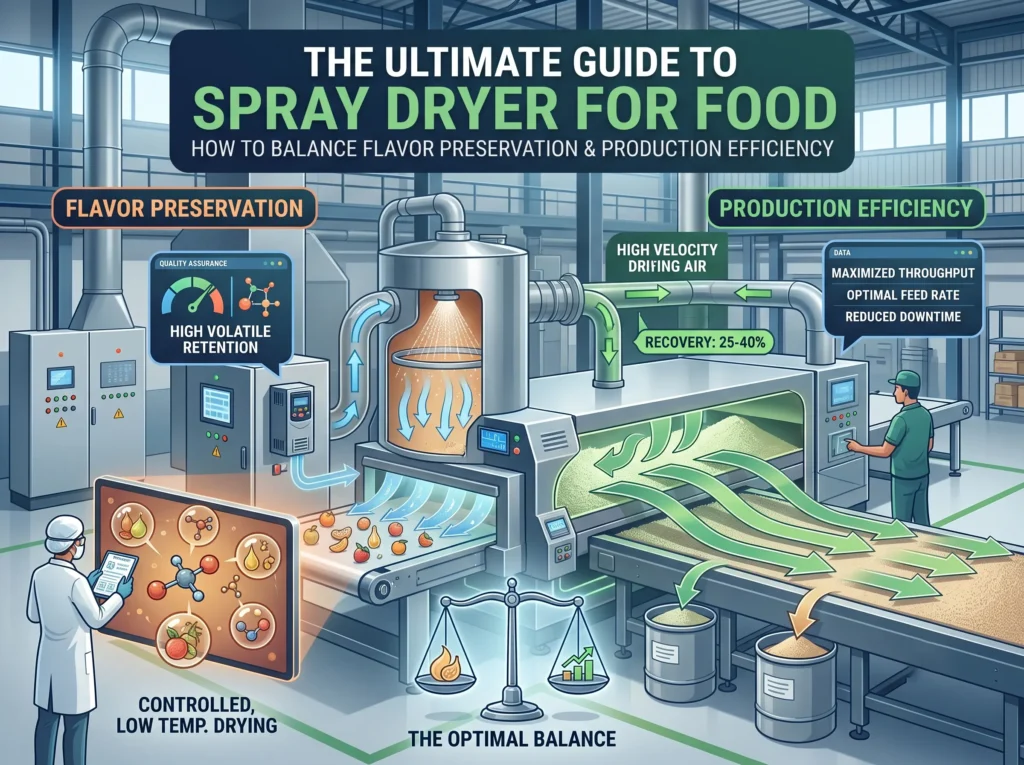
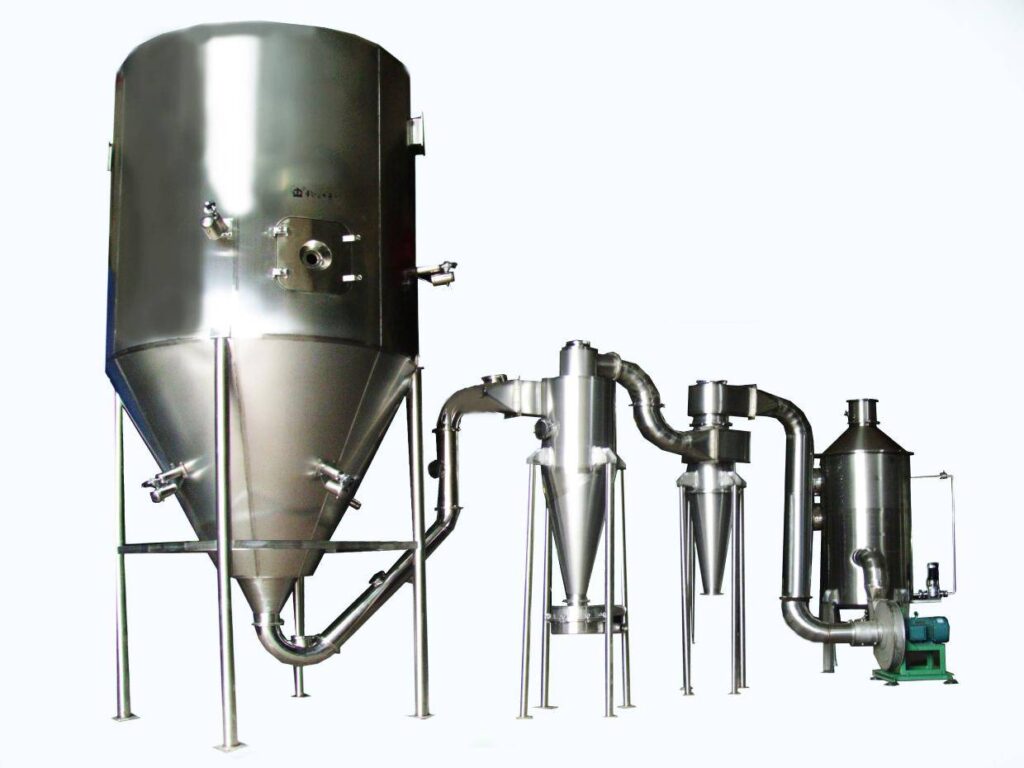
Was ist ein Trockner sprühen und wann sollten Sie es verwenden?
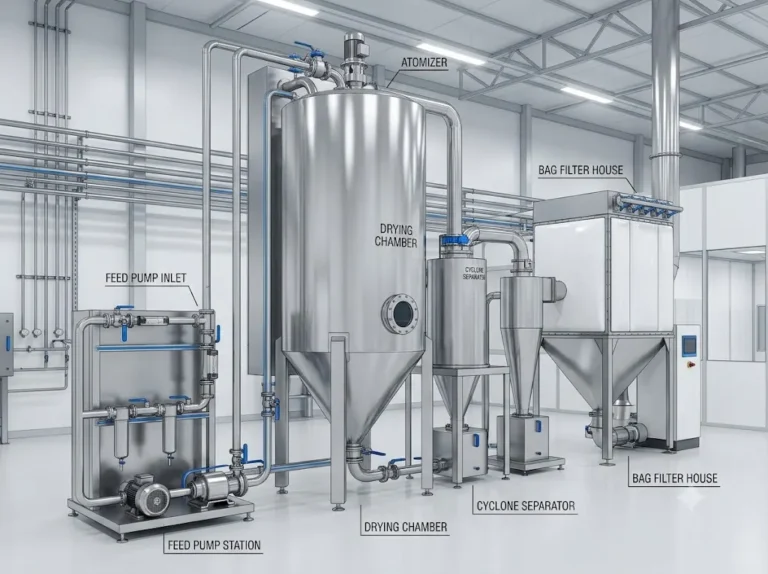
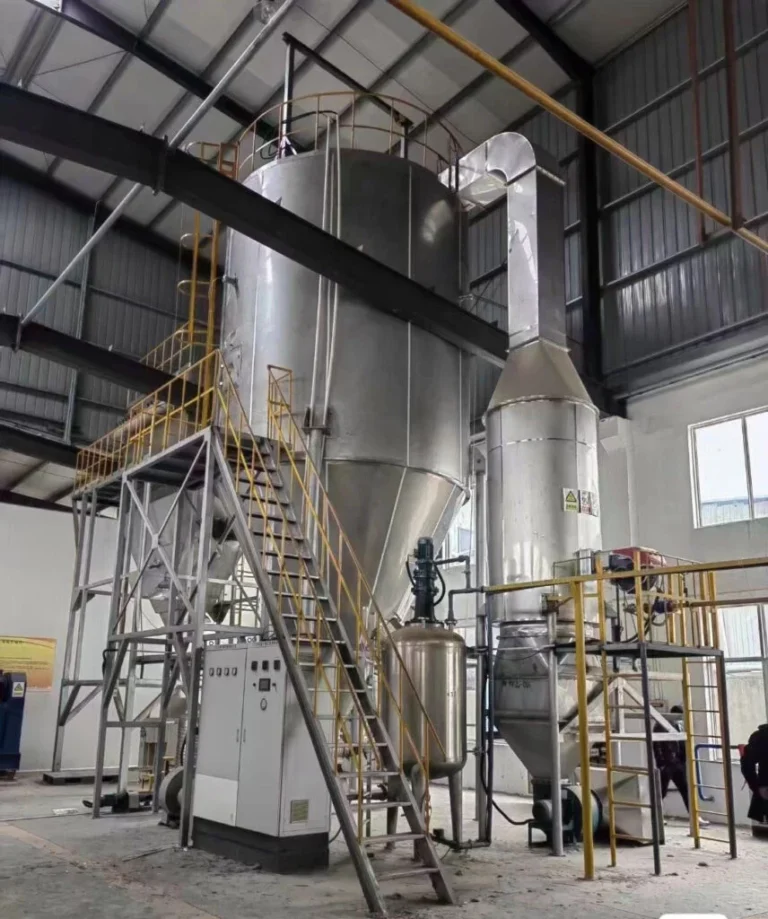
Ein Sprühtrockner zerstäubt Ihr flüssiges Futter in feine Tröpfchen, Dann bläst er heiße Luft durch den Spray, um die Feuchtigkeit schnell zu verdampfen. Dadurch entsteht in einem kontinuierlichen Schritt direkt aus der flüssigen Zufuhr ein rieselfähiges Pulver.
Beste Anwendungen für Sprühtrockner:
- Milchpulver und Milchprodukte
- Instantkaffee und Tee
- Pharmazeutische Wirkstoffe und Kräuterextrakte
- Lebensmittelaromen und Farbstoffe
- Feine chemische Pulver, die eine kontrollierte Partikelgröße erfordern
Der größte Vorteil der Sprühtrocknung besteht darin, dass in einem Schritt ein gebrauchsfertiges Pulver entsteht, mit hervorragender Kontrolle über Partikelgrößenverteilung und Feuchtigkeitsgehalt. Bei richtiger Konfiguration ist es außerdem schonender als die Rotationstrocknung für wärmeempfindliche Materialien.
Was ist ein Rotationstrommeltrockner und wann sollten Sie ihn verwenden??
Ein Rotationstrommeltrockner (oder Rotationstrockner) ist eine rotierende zylindrische Trommel, die Ihr nasses Material langsam umwälzt, während heiße Luft durch sie strömt. Die kontinuierliche Taumelbewegung sorgt für eine gleichmäßige Wärmeübertragung, Damit eignet es sich ideal für Materialien mit höherer Viskosität und nassen Kuchenmaterialien, die nicht zerstäubt werden können.
Beste Einsatzmöglichkeiten für Trommeltrockner:
- Hochviskose Pasten (Hefe, Stärke, Maniok)
- Filterkuchen und Schlamm
- Mineralsand, Erz, und Aggregate
- Organische Materialien mit großer Partikelgröße
- Biomasse und Hackschnitzel
Rotationstrommeltrockner verarbeiten Materialien mit höherer Viskosität, die für die Sprühtrocknung einfach nicht gepumpt und zerstäubt werden können. Sie sind im Allgemeinen auch robuster für die kontinuierliche Hochleistungsproduktion größerer Partikelgrößen.
Schlüsselvergleich: Sprühtrockner vs. Rotationstrommeltrockner
| Faktor | Trockner sprühen | Rotationstrommeltrockner |
|---|---|---|
| Futtertyp | Pumpbare Flüssigkeit / Aufschlämmung | Nasser Kuchen / hochviskose Paste / Granulat |
| Produktform | Frei fließendes, feines Pulver | Gröberes Granulat / Flocken |
| Kontrolle der Partikelgröße | Exzellent | Gut |
| Energieeffizienz | Gut für feine Pulver | Hervorragend geeignet für Futter mit hohem Feststoffgehalt |
| Durchsatz | Kontinuierlich, mittel bis hoch | Kontinuierlich, sehr hoch |
Wie Sie zwischen ihnen für Ihren Prozess wählen können
Stellen Sie sich diese Fragen, um die richtige Wahl zu treffen:
- Was ist Ihr Feed-Formular?? Wenn Sie es als Flüssigkeit/Aufschlämmung pumpen können und ein feines Pulver benötigen ? Sprühtrockner. Wenn es sich um einen nassen Kuchen oder eine hochviskose Paste handelt, die nicht zerstäubt werden kann ? Rotationstrommeltrockner.
- Welche Partikelgröße benötigen Sie?? Wenn Sie ein gleichbleibend feines Pulver zur sofortigen Auflösung benötigen ? Sprühtrockner. Wenn Sie größere Partikel haben oder kein feines Pulver benötigen ? Rotationstrommeltrockner.
- Wie hoch ist Ihr Durchsatz?? Beide bewältigen hohe Lautstärken, Rotationstrockner können jedoch größere Mengen nasser Feststoffe verarbeiten, wenn bereits Filterkuchen vorhanden ist.
Immer noch nicht sicher? Wir können helfen
Bei Jiangsu Changshi Drying Technology, Wir verstehen, dass die Auswahl der richtigen Trocknungsausrüstung eine große Entscheidung ist – eine falsche Entscheidung kostet Zeit und Geld. Deshalb bieten wir an:
- ? Kostenlose Materialprüfung: Testen Sie Ihr tatsächliches Material in unserer Testanlage, um festzustellen, welcher Trockner am besten funktioniert
- ? 100% maßgeschneidert: Wir dimensionieren und konstruieren den Trockner speziell für Ihr Material, Feuchtigkeitsgehalt, und Produktionskapazität
- ? Energieoptimierung: Wo möglich integrieren wir Wärmerückgewinnung, um Ihre Betriebskosten langfristig zu senken
- ? Schnelle Angebote und pünktliche Lieferung: Wir wissen, dass der Zeitplan Ihres Projekts wichtig ist, und wir liefern termingerecht
Wenn Sie noch unsicher sind, welche Trocknungslösung für Ihr Produkt die richtige ist, Kontaktieren Sie unser Engineering-Team Heute. Wir helfen Ihnen, Ihre Optionen zu bewerten und den richtigen Trockner für Ihren Prozess zu finden.
Dieser Leitfaden hilft Beschaffungsmanagern und Prozessingenieuren, die Unterschiede zwischen Sprühtrocknern und Drehtrommeltrocknern zu verstehen, um die richtige Entscheidung für ihre Pulververarbeitungsanlage zu treffen.