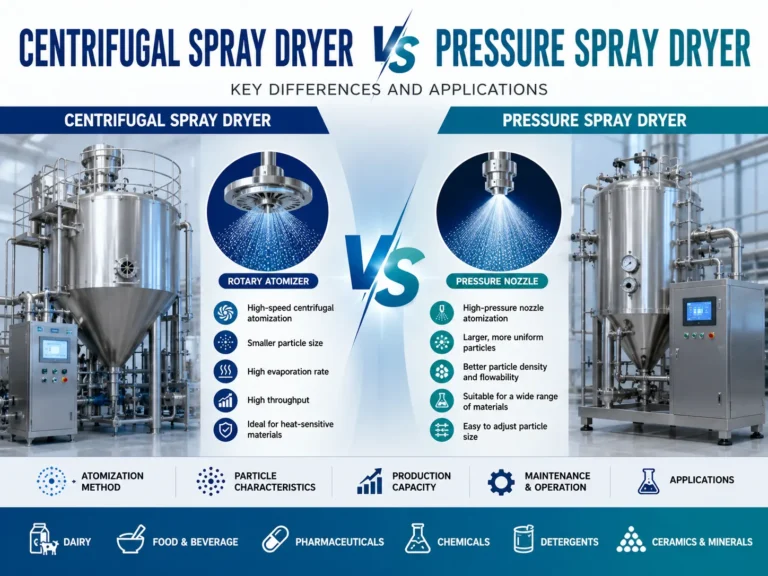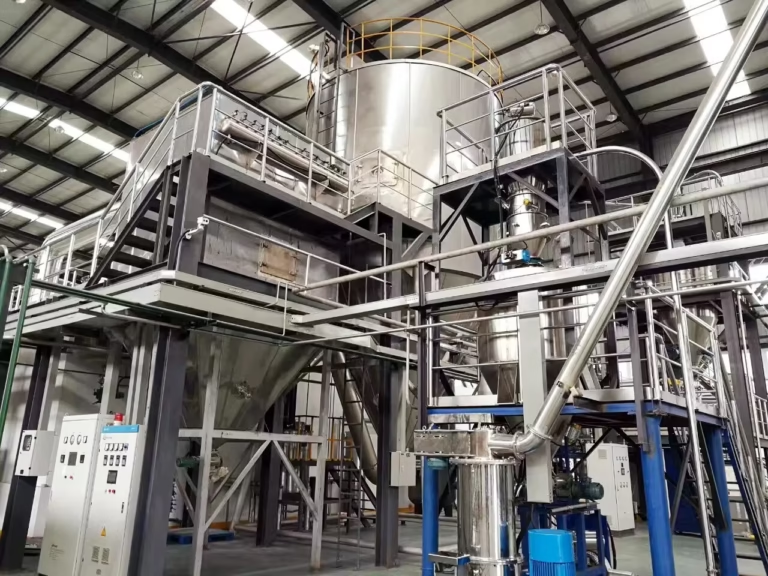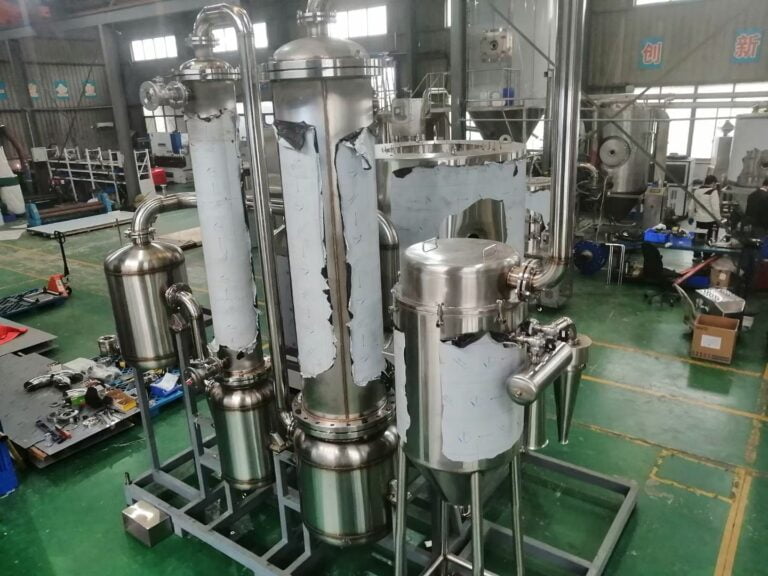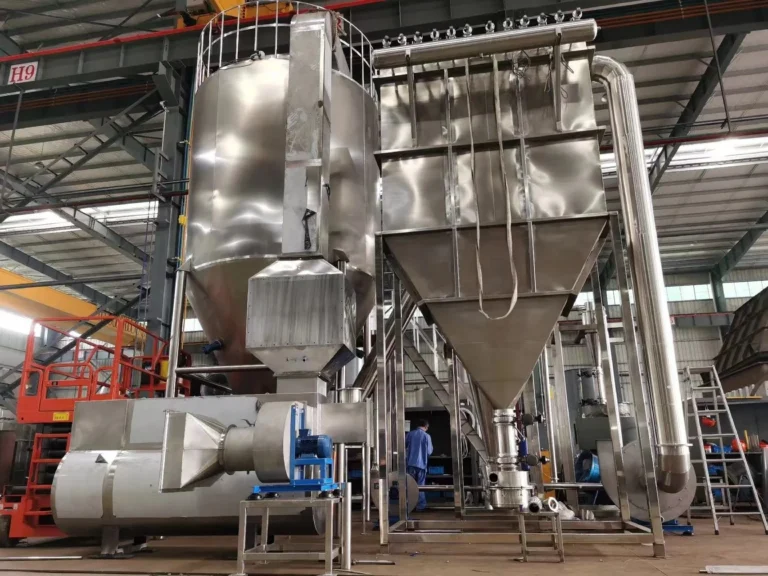
Optimierung des Energieverbrauchs von Industrietrocknern: Ein umfassender Leitfaden zur Reduzierung der Betriebskosten
Optimierung des Energieverbrauchs von Industrietrocknern
In der modernen Fertigungslandschaft, Effizienz ist nicht mehr nur ein Schlagwort??Es ist die Lebensader der Rentabilität. Unter allen industriellen Prozessen, Die Trocknung gilt als einer der energieintensivsten Schritte. Schätzungen gehen davon aus, dass das Trocknen zwischendurch verbraucht 10% Und 25% der gesamten industriellen Energie, die in entwickelten Volkswirtschaften verbraucht wird. Für Unternehmen, die in großem Maßstab operieren, Energieverbrauch von Industrietrocknern stellt einen erheblichen Teil des Overheads dar, Dies macht es zu einem primären Ziel für die Optimierung.
In Changshi (jscstech), Wir verstehen die technische und finanzielle Belastung, die eine ineffiziente Trocknungsausrüstung für Ihren Betrieb mit sich bringt. In diesem umfassenden Ratgeber, Wir analysieren die wichtigsten Treiber des Energieverbrauchs in Industrietrocknern und bieten umsetzbare Strategien, die Ihnen helfen, Kosten zu senken und gleichzeitig eine überlegene Produktqualität aufrechtzuerhalten.
Der Käufer?? Schmerzpunkt: Warum der Energieverbrauch wichtiger denn je ist
Für Einkaufsverantwortliche und Werksleiter, Die Herausforderung ist zweifach. Erste, Die Volatilität der Brennstoff- und Strompreise erschwert eine langfristige Budgetierung. Zweite, zunehmender globaler Druck für eine nachhaltige Produktion (ESG-Ziele) bedeutet, dass energiereiche Prozesse sowohl von Regulierungsbehörden als auch von Kunden geprüft werden.
Das war ein Trockner „gut genug“ vor einem Jahrzehnt kann Ihr Unternehmen jetzt jeden Monat Tausende von Dollar an verschwendeter Wärme kosten. Das Ziel besteht nicht nur darin, Material zu trocknen, aber mit möglichst geringem thermischen Fußabdruck.
Faktoren, die den Energieverbrauch von Industrietrocknern beeinflussen
Um ein System zu optimieren, Wir müssen zuerst verstehen, wohin die Energie fließt. Der Energieverbrauch industrieller Trockner wird von mehreren kritischen Variablen beeinflusst:
1. Wärmeeffizienz und Wärmeverlust
Der thermische Wirkungsgrad ist das Verhältnis der zur Verdampfung von Feuchtigkeit aufgewendeten Energie zur insgesamt zugeführten Energie. In älteren oder schlecht konzipierten Systemen, Durch den Trocknermantel geht eine erhebliche Menge Wärme verloren (schlechte Isolierung) oder direkt in die Atmosphäre abgegeben werden.
2. Feuchtigkeitsgehalt (Anfänglich vs. Finale)
Die Menge an Wasser oder Lösungsmittel, die entfernt werden muss, ist der größte Faktor für den Energiebedarf. Jedes Kilogramm Wasser benötigt zum Verdampfen eine bestimmte Menge an latenter Wärme. Reduzierung der Anfangsfeuchte durch mechanische Maßnahmen (wie Zentrifugen oder Filterpressen) bevor es den Trockner erreicht, ist oft die kostengünstigste Möglichkeit, Energie zu sparen.
3. Luftstrommanagement
In vielen Trocknern, Als Medium zum Abtransport der Feuchtigkeit wird erwärmte Luft verwendet. Wenn der Luftdurchsatz zu hoch ist, Wärme wird verschwendet, da sie zu schnell durch das System fließt. Wenn es zu niedrig ist, die Trocknungsgeschwindigkeit verlangsamt sich, Dies führt zu längeren Zykluszeiten und einer möglichen Produktverschlechterung.
4. Isolierung und Dichtungsintegrität
In Geräten wie dem Drehzylinderentrockner, Die Aufrechterhaltung einer dichten Abdichtung an den Einspeise- und Auslassenden ist von entscheidender Bedeutung. Jede Luftleckage zwingt die Brenner dazu, härter zu arbeiten, um die Innentemperatur aufrechtzuerhalten.
Strategien zur Reduzierung des Energieverbrauchs von Industrietrocknern
Die Optimierung Ihres Trocknungsprozesses erfordert eine Kombination aus intelligenter Geräteauswahl und betrieblicher Feinabstimmung. Hier sind die Strategien, die wir empfehlen:
Implementierung von Wärmerückgewinnungssystemen
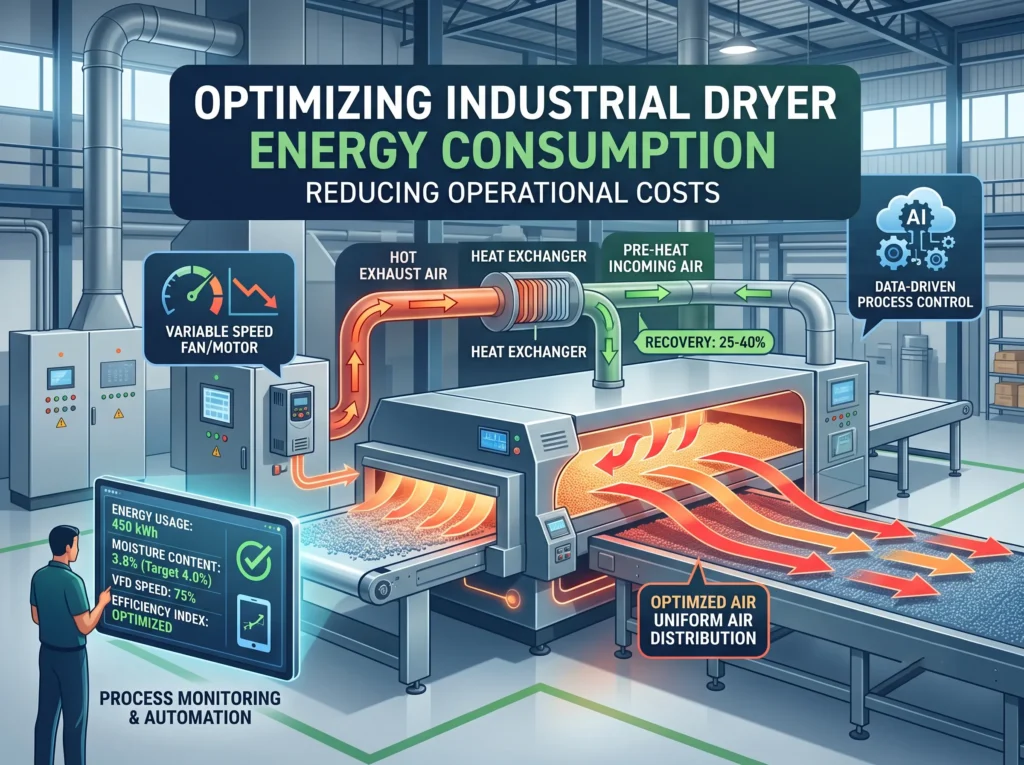
Eine der effektivsten Möglichkeiten, die Energiekosten zu senken, besteht darin, die Abwärme der Abluft aufzufangen und zum Vorwärmen der Zuluft zu nutzen. Das „geschlossener Kreislauf“ Das Denken kann die gesamte thermische Effizienz um bis zu verbessern 15-30%.
Umstellung auf hocheffiziente Geräte
Die Wahl des richtigen Trocknertyps für Ihr Material kann Ihr Energieprofil drastisch verändern. Zum Beispiel:
- Wirbelschichttechnologie: Unser Vertikal flüssigen Trockner der FG -Serie bietet außergewöhnliche Wärmeübertragungsraten, da das Material in einem Heißluftstrom schwebt, Gewährleistung eines gleichmäßigen Kontakts und schnellerer Trocknungszeiten.
- Vibrierendes Fließbett: Für zerbrechliche Materialien, Die Vibrierende fließende Betttrocknermaschine nutzt mechanische Vibrationen, um die Fluidisierung zu unterstützen, Dies ermöglicht geringere Luftgeschwindigkeiten und einen geringeren Stromverbrauch der Lüfter.
Intelligente Steuerungssysteme (Industrie 4.0)
Moderne Trockner sollten mit Sensoren ausgestattet sein, die den Feuchtigkeitsgehalt in Echtzeit überwachen. Anstatt den Trockner bei konstanter Maximaltemperatur laufen zu lassen, Intelligente Steuerungen können die Wärmequelle entsprechend dem tatsächlichen Trocknungsbedarf der Charge modulieren, verhindern „Übertrocknung,“ Dies ist sowohl eine Energieverschwendung als auch ein Risiko für die Produktqualität.
Fortschrittliche Schalenisolierung
Die Verbesserung der Isolierung Ihrer Trocknertrommel oder -kammer ist ein mühsames Unterfangen. Hochdichte Keramikfasern oder spezielle Dämmstoffe können die Wärme dort halten, wo sie hingehört??nseite der Maschine.
Vergleich der Trocknertypen: Welches ist am energieeffizientesten?
Nicht alle Trockner sind gleich. Abhängig von Ihrem Material??Es ist Pulver, Granulat, oder Schlamm??Der Energiebedarf variiert.
Rotationstrommeltrockner
Der Drehzylinderentrockner ist das Arbeitspferd der Bergbau- und Chemieindustrie. Seine Energieeffizienz kommt aus dem Inneren „Hebeflüge“ die das Material durch den Heißluftstrom duschen, Maximierung des Oberflächenkontakts.
Spin-Flash-Trockner
Für pastöse Materialien, Die Blitztrockner spinnen ist oft die beste Wahl. Es kombiniert mechanisches Hochgeschwindigkeitsrühren mit Heißluft, ermöglicht eine sofortige Trocknung. Diese Geschwindigkeit reduziert die Gesamtzeit, die die Maschine zum Einschalten benötigt.
Hohlschaufeltrockner
Wenn Sie mit Schlamm oder viskosen Materialien zu tun haben, Die KJG Hohlklingentrockner ist hocheffizient, da es die Leitung nutzt (indirekte Heizung). Das Wärmeträgermedium fließt im Inneren der Hohlwellen und Schaufeln, Das bedeutet, dass sehr wenig Luft benötigt wird, wodurch der Wärmeverlust durch die Abgase minimiert wird.
Warum Changshi (jscstech) ist Ihr Partner für Energieeffizienz
Wir verkaufen nicht nur Maschinen; Wir bieten technische Lösungen. In Changshi, unsere Herangehensweise an Energieverbrauch von Industrietrocknern basiert auf Innovation und Kundenfeedback.
1. Individuelles Design: Wir analysieren Ihre spezifischen Materialeigenschaften (spezifische Wärme, Feuchtigkeitsaffinität) um einen Trockner zu entwerfen, der perfekt zu Ihren Bedürfnissen passt, Vermeidung der Energieverschwendung von „Einheitsgröße“ Ausrüstung.
2. Qualitätsfertigung: Unsere Maschinen sind aus hochwertigen Materialien und hochpräzisen Dichtungen gefertigt, um eine maximale Wärmespeicherung zu gewährleisten.
3. Umfassender Support: Von der Erstberatung bis zur After-Sales-Wartung, Unser technisches Team sorgt dafür, dass Ihre Geräte während ihres gesamten Lebenszyklus mit höchster Effizienz arbeiten.
4. Energiesparende Technologie: Wir integrieren die neuesten Wärmerückgewinnungs- und Automatisierungstechnologien, um unseren Kunden dabei zu helfen, ihre Nachhaltigkeitsziele zu erreichen und die Betriebskosten zu reduzieren.
Abschluss
Der Energieverbrauch industrieller Trockner ist eine komplexe Herausforderung, Es stellt aber auch eine enorme Chance für Kosteneinsparungen dar. Indem wir uns auf die thermische Effizienz konzentrieren, Feuchtigkeitsmanagement, und Auswahl der richtigen Technologie??wie unsere Wirbelschicht- oder Rotationstrockner??Hersteller können ihr Endergebnis erheblich verbessern.
Wenn Sie bereit sind, Ihren aktuellen Trocknungsprozess zu überprüfen oder nach einem hocheffizienten Ersatz suchen, Changshi ist hier, um zu helfen. Unser Engagement für qualitativ hochwertige Produkte und perfekten After-Sales-Service stellt sicher, dass sich Ihre Investition über Jahre hinweg auszahlt.
Häufig gestellte Fragen (FAQ)
1. Wie kann ich die Energieeffizienz meines Industrietrockners berechnen??
Sie können die Effizienz abschätzen, indem Sie die zum Verdampfen der Feuchtigkeit erforderliche Energie dividieren (Latente Verdampfungswärme ? Entfernte Wassermasse) durch den gesamten Energieeinsatz (Kraftstoff/Strom verbraucht). Ein typisches effizientes System sollte oben sein 50-60%, Allerdings variiert dies je nach Trocknertyp.
2. Spart die Reduzierung der Trocknungstemperatur Energie??
Nicht unbedingt. Während eine niedrigere Temperatur weniger Wärme pro Stunde verbraucht, es verlängert oft die Trocknungszeit erheblich, was zu einem höheren Gesamtenergieverbrauch und einem geringeren Durchsatz führen kann. Der Schlüssel liegt darin, das zu finden „süßer Ort“ Temperatur für Ihr spezifisches Material.
3. Was ist der energieeffizienteste Trockner für Pulver??
Für viele Pulver, Die Vertikal flüssigen Trockner der FG -Serie ist aufgrund seiner hervorragenden Wärme- und Stoffübertragungseigenschaften hocheffizient. Jedoch, wenn das Pulver hitzeempfindlich ist, Ein Vakuumtrockner könnte insgesamt effizienter sein.
4. Wie viel kann ich durch die Installation eines Wärmerückgewinnungssystems sparen??
Abhängig von der Abgastemperatur und -menge, Die meisten Industrieanlagen sehen Energieeinsparungen dazwischen 15% Und 30%. Im Hochleistungsbetrieb, Der ROI für ein Wärmerückgewinnungssystem kann oft innerhalb erreicht werden 12 Zu 24 Monate.
5. Kann Changshi dabei helfen, alte Trockner für eine bessere Effizienz nachzurüsten??
Ja, Wir bieten Beratung und Komponenten zur Modernisierung bestehender Systeme, inklusive verbesserter Dichtungen, Hochleistungsbrenner, und erweiterte Steuermodule. Kontaktieren Sie uns noch heute, um Ihr spezifisches Setup zu besprechen.