How to Reduce Energy Costs in Industrial Drying Plants: 5 Proven Strategies
5 Proven Strategies to Reduce Industrial Dryer Energy Consumption
Drying is often the “energy hog” of the factory floor, frequently accounting for up to 25% of a manufacturing facility’s total energy consumption. In our 20 years of engineering industrial machinery at Jiangsu Changshi Drying Technology Co., Ltd (JSCSTECH), we have found that industrial dryer energy consumption can often be reduced by 15-30% through targeted system optimizations.
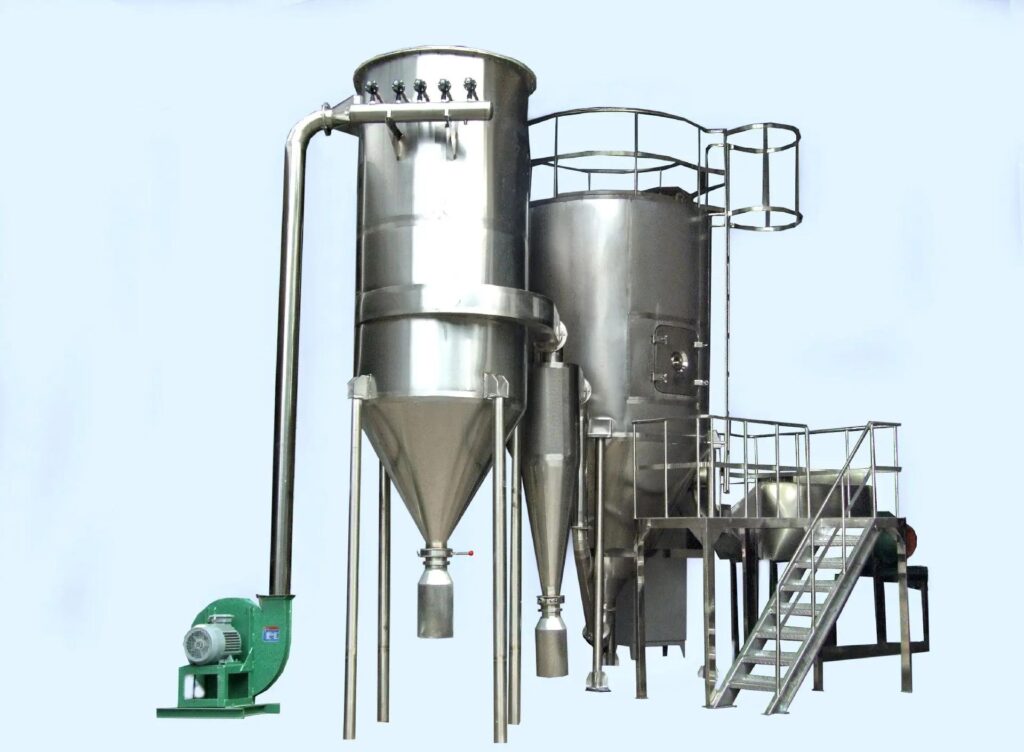
For factory directors and engineering managers, reducing these costs is not just about sustainability. It is a critical lever for improving profit margins and long-term operational resilience in an increasingly competitive global market.
1. Optimize the Feed Concentration to Reduce Evaporation Load
The most expensive part of drying is removing water. The less water that enters the dryer, the less energy you burn. In actual industrial deployment, we often see plants running slurries with unnecessarily high water content.
By utilizing pre-concentration technologies, you can significantly lower the heat load on your dryer. For example, increasing your feed solids from 40% to 50% reduces the amount of water to be evaporated by 25%. This is the single most effective way to lower your industrial dryer energy consumption instantly.
2. Implement Closed-Loop Heat Recovery Systems
Standard dryers often exhaust hot air directly into the atmosphere, throwing away valuable thermal energy. Modern industrial dryer energy consumption strategies focus on recapturing this waste heat for reuse.
At JSCSTECH, we design custom-made heat exchangers that use the hot exhaust air to pre-heat incoming ambient air. This “thermal recycling” can reduce your fuel demand by 10-15%. In high-capacity spray or fluid bed dryers, the ROI for a heat recovery unit is typically achieved within 12 to 18 months.
3. High-Efficiency Heat Exchangers and Precise Insulation
Energy is lost through every surface of a drying system. Poorly insulated chambers or leaking ductwork act as “thermal vampires” that drain your budget.
When we work with our clients, we emphasize the use of high-density rock wool or ceramic fiber insulation. Furthermore, switching from old-style heaters to modern indirect heat exchangers provides more stable temperatures. Refer to the U.S. Department of Energy (DOE) Industrial Efficiency guidelines for established benchmarks in thermal performance.
4. Variable Frequency Drives (VFD) for Airflow Control
Fans and blowers are the second-largest consumers of energy in a drying system. Running your fans at 100% capacity regardless of the production load is a massive waste of electricity.
Integrating VFDs allows you to modulate the air volume based on the real-time evaporation demand. This not only lowers industrial dryer energy consumption but also provides finer control over the particle size and moisture content. This precision reduces the risk of producing “off-spec” material that requires re-processing.
5. Intelligent Control Systems and Predictive Monitoring
The era of manual “set-and-forget” drying is over. Smart sensors that monitor exhaust humidity and product moisture in real-time can prevent the hidden cost of “over-drying.”
If your spec requires 5% moisture but your dryer is producing 3%, you are wasting energy while also losing product weight. Our JSCSTECH smart control panels use PLC integration to maintain your product exactly at the upper limit of your moisture specification. This intelligent approach minimizes industrial dryer energy consumption while maximizing yield.
—
Supplier Audit Checklist: 5 Questions to Ask for Energy-Efficient Procurement
To ensure your next equipment purchase does not become a long-term financial burden, ask your supplier these critical questions:
- **Specific Energy Consumption (SEC):** What is the projected kWh per kg of dried product for my specific material?
- **Heat Recovery Options:** Do you offer integrated exhaust-to-inlet heat exchangers as part of the standard design?
- **Insulation Standards:** What is the thermal conductivity rating and thickness of the chamber insulation provided?
- **Automation Level:** Does the system include VFDs and real-time exhaust humidity monitoring for automatic fan control?
- **Full-Load vs. Part-Load Efficiency:** How does the energy efficiency profile change when the system is running at 50% capacity?
—
Frequently Asked Questions (FAQ)
Q: Is heat recovery worth the extra initial capital cost?
A: Yes—in over 95% of high-volume industrial applications, the energy savings far outweigh the initial investment. The capital cost of a heat recovery unit is typically recovered within 18 months through reduced utility bills. At JSCSTECH, we help you calculate the exact payback period based on your local energy tariffs. Always request a 5-year ROI projection from your supplier before approving a system upgrade.
Q: Can I retrofit my existing old dryer to be more energy efficient?
A: Absolutely—most legacy dryers can be upgraded with VFDs, high-density insulation, and heat recovery loops to meet 2026 standards. Retrofitting can reduce industrial dryer energy consumption by up to 20% without the cost of a full system replacement. We recommend conducting an infrared thermal scan of your current equipment to identify the most critical areas for immediate improvement.
Q: How does feed temperature affect overall energy consumption?
A: Pre-heating the feed material reduces the sensible heat load inside the dryer, allowing you to reach evaporation temperatures much faster. Using waste heat from other plant processes to warm the inlet slurry is an excellent low-cost strategy. This simple process integration significantly improves the specific energy consumption (SEC) of the entire production line.
—
Ready to Slash Your Factory’s Energy Bills?
Our engineering experts specialize in energy-optimized drying solutions that deliver measurable ROI. At JSCSTECH, we offer 24-hour response times and custom-made technical schemes tailored to your specific material.
Discover our Industrial Drying Solutions or learn about Drying Technology Trends 2026 to stay ahead of the curve.
Contact Leta via WhatsApp for an Expert Consultation: +8613775299712