Nguyên lý cơ bản của sự hóa lỏng
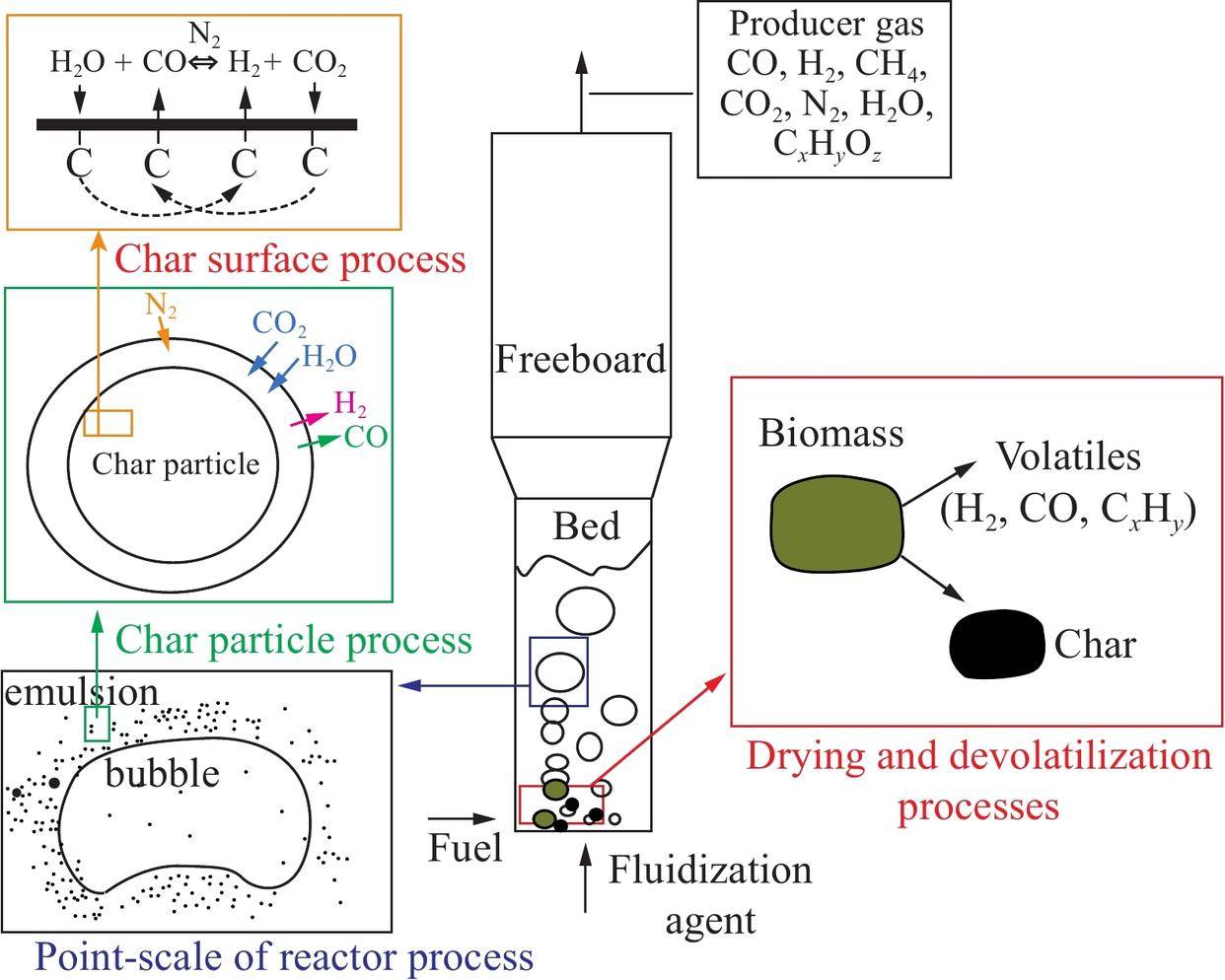
Sự hóa lỏng xảy ra khi bạn cho một chất khí hoặc chất lỏng đi lên qua các hạt rắn mịn với tốc độ khiến chúng hành xử như một chất lỏng.
Nguyên lý cơ bản liên quan đến lực hướng lên từ chất lỏng làm cân bằng trọng lượng của các hạt, khiến chúng nâng lên và trộn lẫn nhanh chóng.
Bạn thấy trạng thái hóa lỏng khi lớp chất rắn giãn nở và dạng bong bóng, giống như nước sôi.
Nguyên lý hóa lỏng cho phép bạn đạt được sự pha trộn tuyệt vời, truyền nhiệt, và phản ứng hóa học.
Nhiều ngành công nghiệp phụ thuộc vào quá trình này để hoạt động hiệu quả.
Bài học chính
Sự hóa lỏng xảy ra khi chất khí hoặc chất lỏng di chuyển lên trên qua các hạt rắn, làm cho chúng hoạt động giống như một chất lỏng. Quá trình này tăng cường trộn và truyền nhiệt.
Hiểu các yếu tố ảnh hưởng đến quá trình hóa lỏng, chẳng hạn như kích thước hạt và mật độ, giúp nâng cao hiệu quả trong các ứng dụng công nghiệp.
Lò phản ứng tầng sôi được sử dụng rộng rãi trong các ngành công nghiệp như sản xuất hóa chất và sản xuất năng lượng nhờ khả năng trộn chất rắn và chất lỏng một cách hiệu quả..
Sử dụng tầng sôi mang lại lợi thế hơn các phương pháp truyền thống, bao gồm kiểm soát độ ẩm tốt hơn và thời gian khô nhanh hơn cho các vật liệu khác nhau.
Giám sát nhiệt độ và luồng không khí là rất quan trọng để vận hành an toàn và hiệu quả tầng sôi, đảm bảo hiệu suất tối ưu.
Nguyên tắc cơ bản
Giải thích về chất lỏng
Bạn có thể hiểu nguyên lý cơ bản của quá trình hóa lỏng bằng cách xem các hạt rắn mịn hoạt động như thế nào khi bạn truyền chất khí hoặc chất lỏng qua chúng. Nguyên tắc cơ bản bắt đầu với việc chất lỏng di chuyển lên trên. Chuyển động này tạo ra một lực nâng các hạt. Khi lực hướng lên phù hợp với trọng lượng của các hạt, lớp chất rắn bắt đầu giãn nở. Bạn thấy bong bóng hình thành, và các hạt trộn nhanh chóng. Chiếc giường hoạt động như một chất lỏng sôi.
Sự khởi đầu của sự mất ổn định ban đầu trong lớp hạt xảy ra trước sự khuếch tán khí ổn định trong các kẽ hở và được gây ra bởi một lực động lượng tới hạn có thể thắng quán tính của các hạt.. Lực động lượng tới hạn được cung cấp bởi vận tốc khí bề mặt tới hạn bạnc ở dạng dòng khuếch tán khối tới hạn. Người ta thấy rằng chuyển động đầu tiên của các hạt có thể được dự đoán bằng số Rayleigh nhất thời tới hạn được xác định bởi vận tốc bề mặt tới hạn bằng vận tốc hóa lỏng tối thiểu, bạnbà già. Sự khởi đầu của quá trình hóa lỏng bắt đầu được phát hiện xảy ra ở thời điểm số Rayleigh nhất thời tới hạn của 3.1, gần với giá trị lý thuyết thấp nhất cho sự đối lưu nổi trong môi trường xốp được giới hạn bởi các bề mặt tự do.
Bạn cần chú ý đến một số yếu tố quan trọng ảnh hưởng đến nguyên tắc cơ bản. Chúng bao gồm mật độ hạt, kích cỡ, hình dạng, và cách các hạt được nén lại với nhau. Cách chất lỏng di chuyển qua giường cũng có vấn đề. Bạn có thể thấy các yếu tố này phối hợp với nhau như thế nào trong bảng dưới đây:
Diện mạo | Những phát hiện |
|---|---|
Ảnh hưởng mật độ hạt | Mật độ hạt cao hơn dẫn đến hiệu suất hóa lỏng kém hơn trong giai đoạn đầu. |
Thủy động lực học | Những ảnh hưởng đáng kể đến thủy động lực học được quan sát, có lỗi trong dự đoán đối với các hạt mật độ cao. |
Giai đoạn hóa lỏng | Ba giai đoạn hóa lỏng riêng biệt được xác định, bị ảnh hưởng bởi sự phân bố kích thước hạt. |
Phân bố kích thước hạt | PSD hẹp dẫn đến khả năng chảy tốt hơn và tốc độ hóa lỏng tối thiểu thấp hơn (bạn*mf). |
Hạt nhóm C | PSD rộng hơn dẫn đến độ giãn nở của lớp cao hơn và cải thiện khả năng tiếp xúc với khí-rắn. |
Điều chế nano | Nâng cao chất lượng hóa lỏng của bột nhóm C, chỉ ra tầm quan trọng của quy mô và sự phân bố. |
Bạn có thể thấy các hành vi khác nhau trong quá trình hóa lỏng tùy thuộc vào loại hạt. Ví dụ:
Các hạt Geldart B/D dễ dàng tạo thành bong bóng, nhưng giường không mở rộng nhiều.
Các hạt Geldart A giãn nở đều, điều đó làm cho chiếc giường ổn định hơn.
Sóng xung kích và sóng liên tục di chuyển qua lớp trong quá trình dòng khí, cho thấy nguyên tắc cơ bản hoạt động như thế nào trong thời gian thực.
Nguyên lý cơ bản của quá trình hóa lỏng giúp bạn đạt được sự trộn và truyền nhiệt tốt hơn. Bạn có thể sử dụng quy trình này trong nhiều ngành công nghiệp, như sản xuất hóa chất và sản xuất năng lượng.
Lý thuyết hai pha
Bạn có thể khám phá lý thuyết hai pha để hiểu nguyên tắc cơ bản của sự hóa lỏng sâu hơn. Giả thuyết này cho rằng lớp nền chứa hai pha chính: các hạt rắn và chất lỏng (khí hoặc chất lỏng). Chất lỏng hỗ trợ các hạt bằng cách đẩy chúng lên trên. Các hạt di chuyển và trộn lẫn nhờ lực kéo và lực nổi từ chất lỏng.
Hình học, Các đặc tính vật lý và khí động học của vật liệu rắn dạng hạt đều ảnh hưởng đến sự khởi đầu của quá trình hóa lỏng, và các đặc điểm, hành vi và các thông số chính của tầng sôi. Tính chất rắn quan trọng nhất là: mật độ hạt, bộ xương (ĐÚNG VẬY) Tỉ trọng, mật độ lớn, độ xốp, đường kính hạt tương đương trung bình, hình dạng hạt, phân bố kích thước hạt, và rơi tự do (hoặc thiết bị đầu cuối) vận tốc.
Bạn có thể thấy lý thuyết hai giai đoạn phát triển theo thời gian như thế nào:
Sân khấu | Sự miêu tả | Khoảng thời gian |
|---|---|---|
1 | Đầu những năm 1940 | |
2 | Giới thiệu lý thuyết hai pha | Đầu những năm 1950 |
3 | Nghiên cứu thủy động lực học bong bóng | Đầu những năm 1960 |
4 | Khái niệm chung về kết cấu treo | Bước ngoặt thế kỷ |
Lý thuyết hai pha giúp bạn dự đoán chiếc giường sẽ hoạt động như thế nào. Bạn có thể thấy các vùng dày đặc và loãng trên giường. Pha lỏng và pha rắn tương tác với nhau, dẫn đến các mô hình dòng chảy khác nhau. Bảng dưới đây cho thấy cách các nhà khoa học nghiên cứu các mẫu này:
Diện mạo | Chi tiết |
|---|---|
Trọng tâm nghiên cứu | |
Điều kiện hoạt động | Vận tốc khí bề mặt: 15.5 bệnh đa xơ cứng; Thông lượng rắn: 140 kg/m2; Hạt Geldart B (cát) |
Những phát hiện chính | Phân bố nồng độ chất rắn dọc trục cho thấy các vùng loãng và dày đặc. Cấu trúc lõi-vòng và sự trộn ngược gần tường được quan sát. |
Mô hình lực kéo | Hệ số lực cản được điều chỉnh dựa trên mô hình EMMS đã được đề xuất và sử dụng trong mô phỏng CFD. |
Phương pháp xác thực | So sánh kết quả thực nghiệm với mô phỏng CFD để đánh giá cấu trúc dòng chảy và độ sụt áp. |
Phần kết luận | Mô hình kéo EMMS cho thấy sự phù hợp tốt hơn với dữ liệu thực nghiệm, xác nhận việc sử dụng nó trong mô phỏng. |
Trong lý thuyết hai pha, bạn thấy pha rắn được hỗ trợ bởi pha lỏng. Quá trình hóa lỏng phụ thuộc vào mức độ chất lỏng có thể nâng và trộn các hạt. Bạn có thể sử dụng nguyên tắc cơ bản này để cải thiện các phản ứng hóa học và truyền nhiệt trong lò phản ứng.
Giường tầng sôi
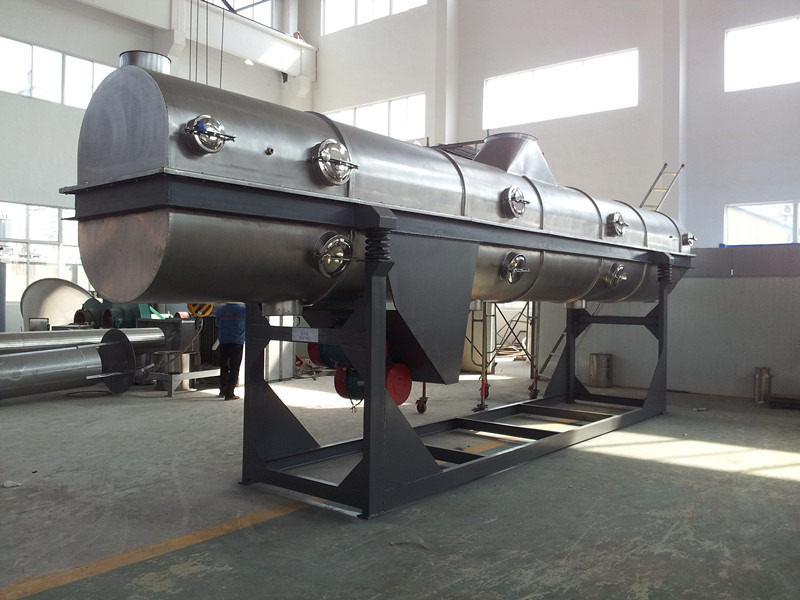
Giường tầng sôi hoạt động như thế nào
Bạn có thể thấy tầng sôi hoạt động như thế nào bằng cách xem điều gì xảy ra khi bạn đưa không khí hoặc chất lỏng từ bên dưới lớp chất rắn vào. Dòng chảy đi lên nâng các hạt, khiến chúng chuyển động và trộn lẫn. Chuyển động này tạo ra một hệ động lực trong đó các hạt hoạt động gần giống như chất lỏng. Bạn nhận thấy các chế độ dòng chảy khác nhau khi tốc độ của chất lỏng thay đổi. Bảng dưới đây cho thấy giường thay đổi như thế nào theo từng chế độ:
Loại chế độ dòng chảy | Sự miêu tả |
|---|---|
Giường cố định | Trạng thái ban đầu khi các hạt đứng yên và không bị hóa lỏng. |
Sự sôi sủi bọt | Bong bóng hình thành trong giường, và các hạt tương tác tích cực hơn. |
Trượt chất lỏng | Bong bóng lớn xuất hiện, gây ra chuyển động không đều của các hạt. |
Chất lỏng hỗn loạn | Dòng chảy trở nên mạnh mẽ, và các hạt trộn nhanh chóng. |
Vận chuyển pha loãng | Các hạt phân tán trong pha khí, và giảm nồng độ. |
Chất lỏng nhanh | Chiếc giường hoạt động như một chất lỏng, với tương tác khí và hạt mạnh. |
Dòng chảy sên/bong bóng | Cả sên và bong bóng đều tồn tại, tạo ra phong trào hỗn hợp. |
Dòng chảy pha đậm đặc không có bong bóng | Chiếc giường vẫn dày đặc, và lưu lượng khí vẫn ở mức thấp. |
Lưu lượng giường đóng gói | Các hạt đóng gói chặt chẽ, và chuyển động của chất lỏng là tối thiểu. |
bạn có thể đình chỉ các hạt rắn trong pha lỏng liên tục bằng cách phun khí. Chất lỏng đi vào từ phía trên và di chuyển ngược dòng khí. Thiết kế của bộ phân phối khí cho phép chất lỏng thoát ra từ đáy mà không mang theo các hạt đi xa. Cơ chế này cho phép bạn sử dụng các hạt mịn hoặc mật độ thấp trong lò phản ứng dòng chảy liên tục.
Sự trộn đồng đều xảy ra khi bạn đưa không khí từ bên dưới lớp bột vào. Không khí nâng lên và khuấy động các hạt, biến bột đặc thành trạng thái giống như chất lỏng. Bạn có thể phun dung dịch liên kết lỏng lên các hạt hóa lỏng để giúp các hạt phát triển và cải thiện khả năng trộn.
Các tính năng chính
Bạn sẽ tìm thấy một số tính năng làm cho giường tầng sôi trở nên độc đáo. Bảng dưới đây nêu bật những khía cạnh quan trọng này:
Tính năng chính | Sự miêu tả |
|---|---|
Diện tích bề mặt tiếp xúc cao | Bạn có được diện tích tiếp xúc lớn giữa chất lỏng và các hạt trong mỗi thể tích giường. |
Vận tốc tương đối cao | Chất lỏng và các hạt chuyển động nhanh chóng so với nhau. |
trộn lẫn | Các hạt trộn kỹ khắp giường. |
Va chạm | Va chạm thường xuyên xảy ra giữa các hạt và với các bức tường. |
Bạn cần cân nhắc các yếu tố thiết kế khi xây dựng tầng sôi. Sự phân bố kích thước hạt ảnh hưởng đến lượng không khí bạn cần. Các hạt tròn hoạt động khác với các hạt thuôn dài, làm thay đổi độ đồng đều của quá trình sấy. Mật độ khối ảnh hưởng đến vận tốc tối thiểu cần thiết cho quá trình hóa lỏng và giúp ngăn ngừa thất thoát vật liệu. Nhiệt dung riêng cho bạn biết bạn cần bao nhiêu năng lượng để làm nóng các hạt. Các hạt dễ vỡ có thể cần được hóa lỏng nhẹ nhàng để tránh bị vỡ. Thành phần hóa học có thể gây ra các vấn đề như độ dính hoặc độ nhạy nhiệt. Nhiệt độ không khí đầu vào phải phù hợp với mức mà các hạt có thể xử lý. Vận tốc dòng khí kiểm soát chế độ hóa lỏng và truyền nhiệt. Thời gian lưu nước phụ thuộc vào lưu lượng không khí và chiều cao đập, giúp bạn đạt được độ ẩm phù hợp.
Nhiệt độ và áp suất cũng ảnh hưởng đến hoạt động của tầng sôi. Chuyển động của bong bóng kiểm soát cấu trúc dòng chảy ở nhiệt độ thấp hơn. Ở nhiệt độ cao hơn, cách các hạt dính lại với nhau trở nên quan trọng hơn. Nhiệt độ cực cao làm tăng lực liên hạt, có thể thay đổi cách các hạt hành xử.
Lò phản ứng tầng sôi
Ứng dụng công nghiệp
Bạn có thể tìm thấy lò phản ứng tầng sôi trong nhiều ngành công nghiệp. Những lò phản ứng này giúp bạn xử lý các phản ứng hóa học và xử lý vật liệu hiệu quả hơn. Bạn thấy chúng được sử dụng trong lọc dầu, sản xuất hóa chất, và tạo ra năng lượng. Thiết kế của những lò phản ứng này cho phép bạn trộn chất rắn và chất lỏng một cách nhanh chóng, giúp cải thiện quá trình.
Đây là các loại lò phản ứng tầng sôi chính bạn có thể gặp phải:
Loại lò phản ứng | Sự miêu tả |
|---|---|
BSE (Giường sôi sủi bọt) | Thiết kế đơn giản với cột phản ứng, nhà phân phối, hệ thống cho ăn vít sinh khối, và lốc xoáy để loại bỏ hạt mịn. |
CFB (Giường tầng sôi tuần hoàn) | Gồm cột phản ứng, nhiều cơn lốc xoáy, và hệ thống cấp liệu vít sinh khối; thu giữ và tuần hoàn các hạt thô và mịn. |
Giường chất lỏng bị cuốn theo | Sử dụng vận tốc khí cao để giữ các hạt lơ lửng. |
Lò phản ứng tầng sôi đóng một vai trò quan trọng trong một số ứng dụng công nghiệp:
Loại ứng dụng | Sự miêu tả |
|---|---|
Xử lý dầu và hóa chất | Được sử dụng để cung cấp thức ăn liên tục và sản xuất dầu sinh học. |
Tổng hợp Acrylonitrile | Tham gia sản xuất acrylonitrile. |
Cracking xúc tác | Được sử dụng trong các ngành công nghiệp hóa dầu cho các quá trình xúc tác. |
Truyền nhiệt | Truyền nhiệt hiệu quả với nhiệt độ giường đồng đều. |
Bạn cũng thấy những lò phản ứng này trong sản xuất dược phẩm. Chúng giúp bạn làm khô bột, viên nén, và trộn nguyên liệu. Thị trường lò phản ứng tầng sôi tiếp tục phát triển. TRONG 2024, thị trường đạt USD 3.5 tỷ. Các chuyên gia mong đợi điều đó tăng lên USD 5.9 tỷ bởi 2033, với tốc độ tăng trưởng ổn định.
Những lợi ích
Lò phản ứng tầng sôi cung cấp nhiều lợi thế cho quá trình công nghiệp. Bạn có được sự pha trộn tốt hơn và phản ứng nhanh hơn. Thiết kế cho phép bạn kiểm soát nhiệt độ và dòng nguyên liệu dễ dàng. Bạn có thể sử dụng những lò phản ứng này để tổng hợp hóa học, giảm ô nhiễm, và xử lý vật liệu.
Lợi ích/Ứng dụng | Sự miêu tả |
|---|---|
Tổng hợp hóa học | Được sử dụng để tổng hợp các loại nhựa quan trọng như polyetylen và polypropylen, và sản xuất monome. |
Giảm ô nhiễm | Tạo ra ít ô nhiễm hơn bằng cách sử dụng chất hấp thụ để thu giữ lưu huỳnh và hoạt động ở nhiệt độ thấp hơn. |
Truyền vật liệu và nhiệt | Tạo điều kiện cho lớp phủ hiệu quả, sấy dược phẩm, và đông lạnh nhanh các sản phẩm thực phẩm. |
Bạn nhận thấy rằng tốc độ truyền nhiệt và khối lượng trong tầng sôi cao hơn nhiều. cao hơn so với lò phản ứng giường cố định. Điều này làm cho chúng trở nên lý tưởng cho các phản ứng cần nhiệt và truyền khối hiệu quả. Bạn có thể duy trì phân bố nhiệt độ đồng đều, giúp truyền nhiệt. Công nghệ này còn cho phép bạn tái tạo chất xúc tác thường xuyên mà không cần dừng quá trình.
Lò phản ứng tầng sôi giúp bạn nâng cao chất lượng sản phẩm trong sản xuất dược phẩm. Bạn có thể sấy khô và phủ đều bột dược phẩm. Bạn cũng giảm ô nhiễm và sử dụng năng lượng, mang lại lợi ích cho cả môi trường và doanh nghiệp của bạn.
So sánh
Phương pháp truyền thống
Khi bạn sử dụng các phương pháp truyền thống để xử lý chất rắn mịn, bạn thường phải đối mặt với nhiều thử thách. Những phương pháp này bao gồm việc bắn tung tóe chất rắn tự do, phun khí định hướng, trượt dốc, và sự cuốn theo chất rắn. Mỗi phương pháp đều có cái riêng tốc độ vận chuyển và hiệu quả năng lượng. Bạn có thể thấy sự khác biệt trong bảng dưới đây:
Phương pháp | Tỷ lệ vận chuyển (kg/m2·s) | Hiệu quả năng lượng |
|---|---|---|
Chất rắn tự do bắn tung tóe | 5 × 10⁻²–2 × 10³ | Cao nhất |
Phun khí định hướng | 1.9–4,3 m/s | Trung cấp |
Trượt | không áp dụng | Trung cấp |
Chất rắn hạn chế bắn tung tóe | không áp dụng | Thấp nhất |
Sự cuốn theo chất rắn | không áp dụng | Thấp nhất |
Bạn có thể nhận thấy rằng những phương pháp này không phải lúc nào cũng mang lại hiệu quả cao, đặc biệt là khi bạn cần kiểm soát độ ẩm hoặc đạt được sự trộn đều. Các hệ thống truyền thống thường gặp khó khăn trong việc loại bỏ rác nhỏ, có thể làm tắc nghẽn máy bơm và gây cặn tích tụ. Mảnh vụn nặng có thể làm hỏng thiết bị, vì vậy bạn cần thêm thiết bị sàng lọc. Khi bạn xử lý tải chất rắn cao, bạn phải sử dụng máy sàng và máy nghiền mịn để loại bỏ các mảnh vụn. Các bước này làm giảm hiệu quả tổng thể và gây khó khăn cho việc kiểm soát độ ẩm.
giới hạn | Tác động đến hoạt động |
|---|---|
Gây tắc nghẽn máy bơm và tích tụ cặn trong bể phân hủy. | |
Thiệt hại do mảnh vụn nặng | Cần bổ sung thêm thiết bị sàng lọc để tránh tình trạng quá tải thiết bị. |
Không có khả năng xử lý tải chất rắn cao | Yêu cầu một sàng lọc mịn kết hợp với máy mài để loại bỏ mảnh vụn hiệu quả trong các tình huống có hàm lượng chất rắn cao. |
Ưu điểm của chất lỏng
Khi bạn sử dụng chất lỏng, bạn đạt được một số lợi thế so với các phương pháp truyền thống. Nguyên lý làm việc của tầng sôi cho phép bạn đạt được hiệu quả cao hơn trong việc trộn, truyền nhiệt, và kiểm soát độ ẩm. Bạn có thể xử lý nhiều loại vật liệu, từ ngũ cốc và gia vị đến hóa chất và dược phẩm, mà không thay đổi thiết bị của bạn. Tính linh hoạt này có nghĩa là bạn có thể sấy khô các sản phẩm có độ ẩm khác nhau và đạt thời gian sấy nhanh hơn.
Sấy tầng sôi thích ứng với nhiều sản phẩm thực phẩm, chẳng hạn như ngũ cốc, đồ ăn nhẹ, và gia vị.
Bạn có thể sử dụng cùng một thiết bị trong các ngành công nghiệp khác nhau, bao gồm dược phẩm và hóa chất.
Nguyên lý làm việc cho phép bạn xử lý các vật liệu có độ ẩm khác nhau, cho thấy tính linh hoạt hoạt động tuyệt vời.
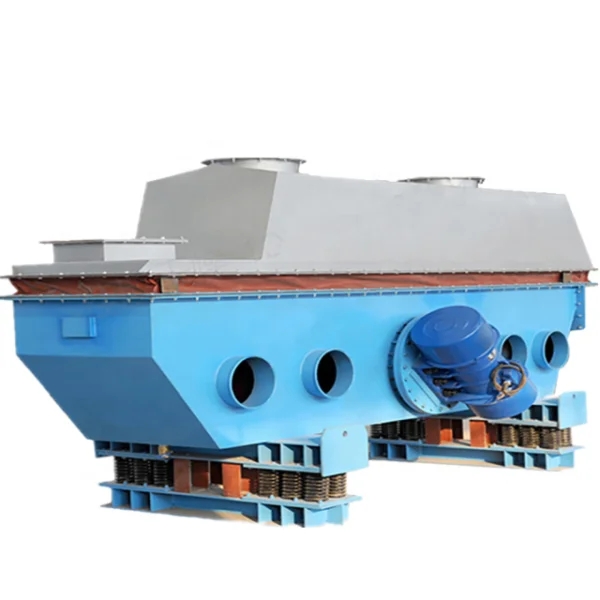
Bạn cũng có thể kiểm soát và trộn quy trình tốt hơn. Nguyên lý hoạt động của hóa lỏng, đặc biệt khi kết hợp với rung, làm giảm lực mạnh giữa các hạt mịn. Điều này giúp dễ dàng trộn và hóa lỏng ngay cả những hạt nhỏ nhất. Bạn đạt được hiệu quả loại bỏ độ ẩm đồng đều hơn và hiệu quả sấy và xử lý cao hơn.
Sự hóa lỏng với độ rung phá vỡ các khối và cải thiện sự trộn.
Bạn có thể xử lý các hạt mịn khó xử lý bằng các phương pháp truyền thống.
Quá trình này cho phép bạn kiểm soát nhiều hơn, dẫn đến hiệu quả tốt hơn và độ ẩm đồng đều hơn.
Mẹo: Khi bạn cần sấy sản phẩm nhanh và đều, quá trình hóa lỏng giúp bạn có thời gian sấy khô nhanh hơn và giúp bạn đạt được độ ẩm mong muốn với ít năng lượng hơn.
Bạn đã biết rằng quá trình hóa lỏng biến các hạt rắn thành trạng thái giống như chất lỏng, giúp bạn trộn, nhiệt, và xử lý vật liệu hiệu quả hơn. Tầng sôi và lò phản ứng đóng vai trò quan trọng trong nhiều ngành công nghiệp. Bảng dưới đây cho thấy một số lợi ích quan trọng:
Khu vực ứng dụng | Những lợi ích |
|---|---|
Tăng cường sạc và xả trong hệ thống lưu trữ năng lượng của nhà máy điện mặt trời. | |
Quy trình công nghiệp | Tăng hiệu quả truyền nhiệt và truyền khối trong các ứng dụng công nghiệp khác nhau. |
Lưu trữ năng lượng nhiệt độ cao | Cải thiện sản lượng điện trong các hệ thống lưu trữ năng lượng thay đổi pha và hợp lý. |
Nghiên cứu các phương pháp hóa lỏng mới, giống Công nghệ Fenton tầng sôi, có thể giúp bạn xử lý nước thải tốt hơn và giảm ô nhiễm. Bạn có thể khám phá những tiến bộ này để cải thiện công việc hoặc học tập của chính mình.
Câu hỏi thường gặp
Chất lỏng được sử dụng để làm gì trong công nghiệp?
Bạn sử dụng chất lỏng để cải thiện việc trộn, sấy khô, và phản ứng hóa học. Nhiều ngành công nghiệp dựa vào quy trình này để tăng hiệu quả sử dụng năng lượng và chất lượng sản phẩm. Bạn thường thấy nó trong thực phẩm, hóa chất, và sản xuất dược phẩm.
Làm thế nào để bạn kiểm soát một chiếc giường tầng sôi?
Bạn điều khiển tầng sôi bằng cách điều chỉnh tốc độ dòng khí hoặc chất lỏng. Điều này cho phép bạn quản lý nhiệt độ, trộn, và chuyển động của hạt. Kiểm soát tốt giúp bạn đạt được kết quả tốt hơn và duy trì hiệu quả sử dụng năng lượng.
Tại sao quá trình hóa lỏng lại cải thiện hiệu quả năng lượng?
Quá trình hóa lỏng cải thiện hiệu quả sử dụng năng lượng vì nó làm tăng sự tiếp xúc giữa các hạt và chất lỏng. Bạn nhận được sự truyền nhiệt nhanh hơn và trộn tốt hơn. Điều này có nghĩa là bạn sử dụng ít năng lượng hơn để đạt được kết quả tương tự.
Bạn có thể sử dụng phương pháp hóa lỏng cho các hạt nhỏ không?
Đúng, bạn có thể sử dụng phương pháp hóa lỏng cho các hạt nhỏ. Bạn có thể cần thiết bị đặc biệt để kiểm soát quá trình. Điều này giúp bạn tránh thất thoát hạt và duy trì hoạt động ổn định.
Bạn nên tuân theo những lời khuyên an toàn nào với giường tầng sôi?
Bạn nên theo dõi chặt chẽ nhiệt độ và áp suất. Luôn kiểm soát luồng khí để tránh quá nhiệt hoặc tắc nghẽn. Kiểm tra thường xuyên giúp hệ thống của bạn an toàn và hiệu quả.