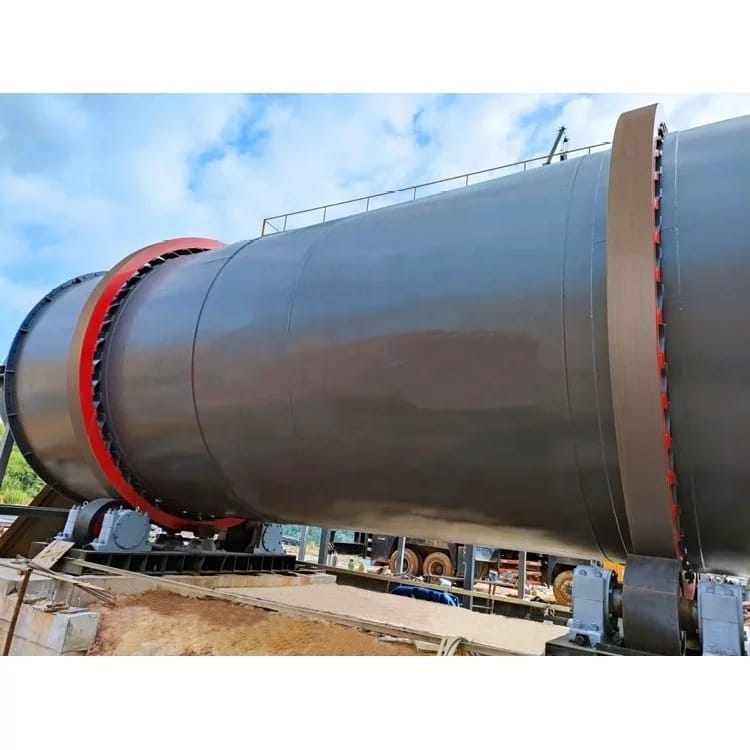
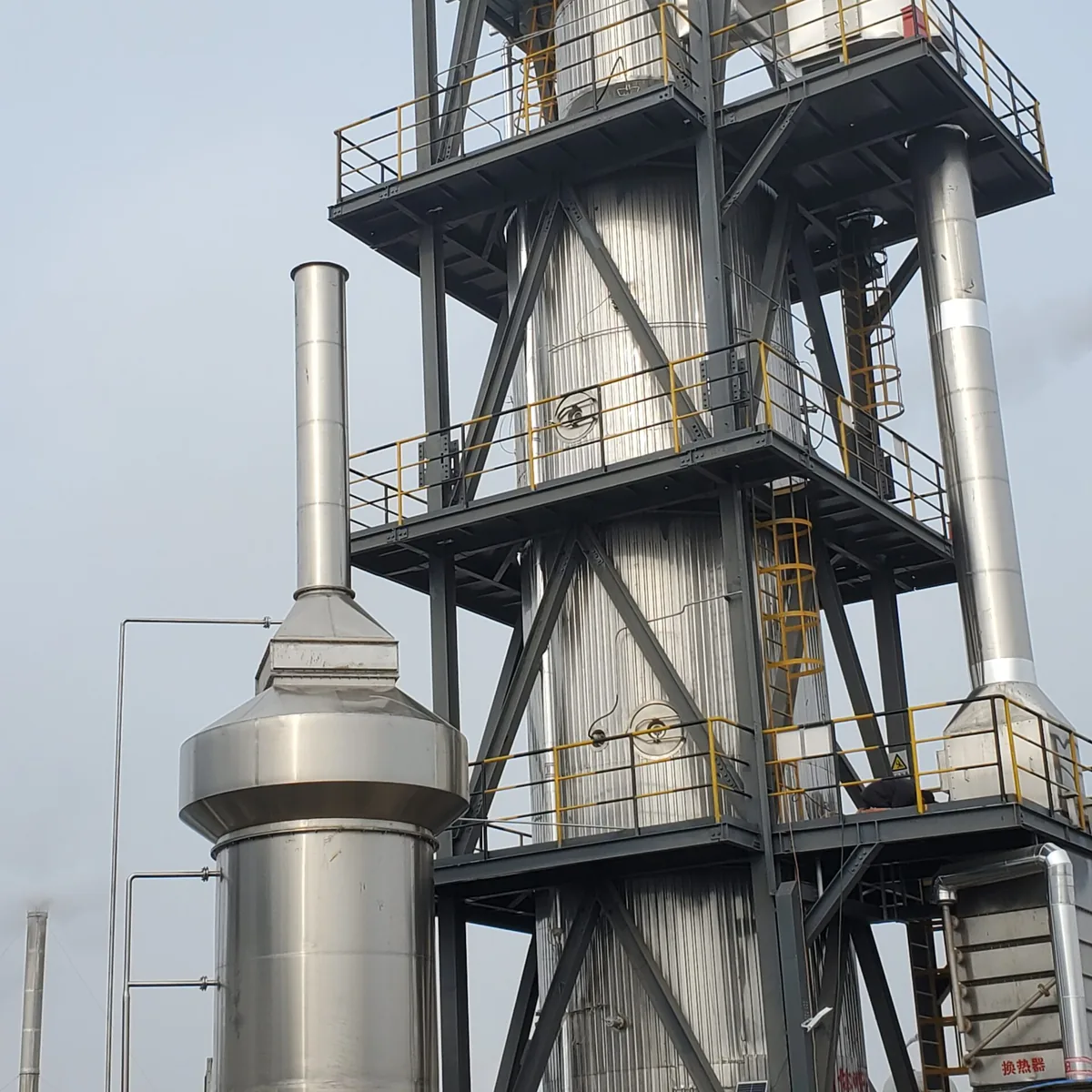
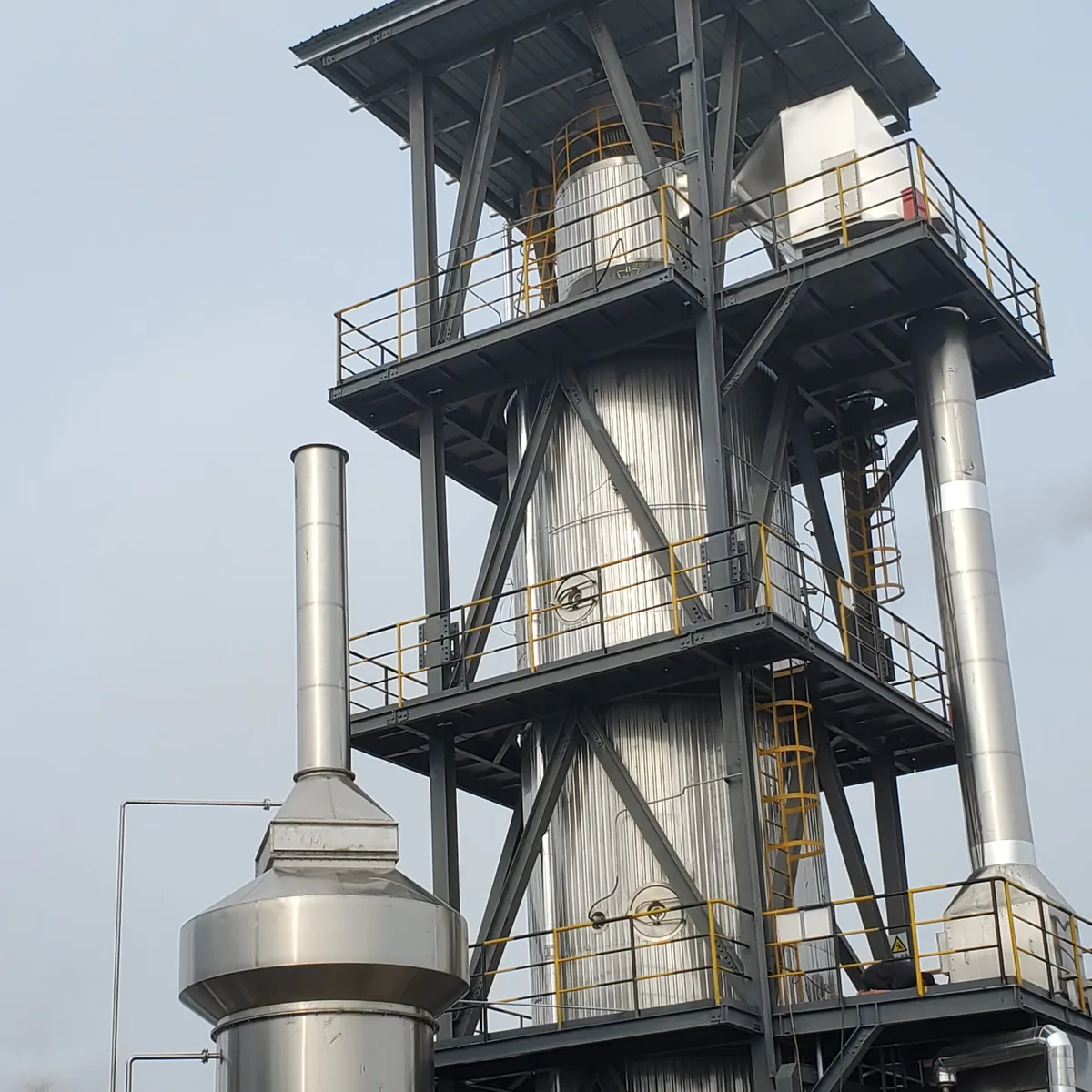
Взрывозащищенная конструкция распылительной сушилки: 7 Решения перед вводом в эксплуатацию линии по производству растворителей
A solvent line is approved on the strength of one number: the oxygen concentration its control system will never exceed. Everything else in an explosion proof spray dryer design, from the nitrogen supply to the rupture panel, exists to keep that number true when a valve sticks or a seal fails.
Buyers often compare chamber volumes and atomizer types first. The safety architecture should be compared first, because it cannot be retrofitted into a chamber welded for water-based duty.
When Does a Spray Dryer Need Explosion Protection at All?
Two different hazards share the same chamber. A combustible powder can form a dust cloud that ignites on a hot surface or a static spark, and a flammable solvent adds a vapour phase that is present throughout the circuit, including the cyclone and the filter housing. Solvent-borne formulations such as spray drying API powders are the usual reason a closed loop is specified.
The dust hazard exists even on water-based duty, because most organic powders are combustible. The vapour hazard is what forces a closed loop, and it is set by the flash point and boiling range of the carrier liquid rather than by the solids being dried.
What Oxygen Level Should an Explosion Proof Spray Dryer Design Hold?
The limit oxygen concentration varies with the powder and the temperature. Published spray dryer fire guidance puts the minimum oxygen needed to support combustion at roughly 5–7% by volume at 1,000 °С, rising to 12–14% at 20 °С, and concludes the chamber atmosphere must sit below about 8–10% to be incapable of supporting combustion.
That is a physical ceiling, not a control target. A working design sets its trip point well under the ceiling and proves the loop holds it through the worst credible leak, which is why the number on the drawing and the number in the alarm list are deliberately different.
| Hazard basis | What it constrains | Design response |
|---|---|---|
| Dust cloud from powder | Surface temperature, static, duct velocity | Bonding, grounding, avoidance of dead pockets |
| Flammable vapour | Oxygen content, ignition sources in the loop | Inert blanketing, closed circuit, gas analysers |
| Pressure rise from deflagration | Chamber and duct strength, vent area | Containment rating or vent panel plus isolation |
| Solvent emission | Condenser duty, seal leakage | Recovery condenser, double seals, purge cycle |
Why Is a Closed Loop Usually the Only Answer for Solvents?
Standard explosion venting suits a dust cloud because the dust concentration is uneven and relatively low. Published process-safety guidance notes that once a flammable vapour fills the chamber and downstream units, the vent area required grows beyond what a normal spray dryer can practically provide.
The same guidance states the conclusion plainly: for flammable liquors, safety can only be assured with an inert gas system. A closed loop with nitrogen, a condenser and a recirculation fan is therefore the baseline, while an open unit with a vent panel is the wrong starting point.
How Much Solvent Can the Loop Actually Recover?
Recovery is an economic argument that happens to improve safety, because every kilogram condensed is a kilogram not vented. Condenser duty follows the solvent load, and the load follows feed rate and solids concentration, so a thicker feed cuts both the energy bill and the nitrogen make-up.
We size the condenser from the measured evaporation rate, not from a percentage claim. A recovery figure quoted without the feed concentration behind it cannot be checked, and it usually assumes a condensation temperature the plant chiller cannot hold in summer.
Should the Inert Gas Be Nitrogen or Something Cheaper?
Nitrogen dominates solvent duty because it is inert, widely available and easy to supply as liquid or from a generator. Flue gas is cheaper per cubic metre but carries water and carbon dioxide, and the water load lands directly on the condenser.
For a line that runs intermittently, nitrogen generation on site usually beats cylinder logistics. For a plant with an existing nitrogen main, the decision is already made and the design should simply state the supply pressure and dew point it assumes.
How Do You Size the Purge and Nitrogen Supply?
Purge volume follows the free volume of the chamber, duct and filter, multiplied by the air changes needed to reach the trip point from a cold start. Chamber and duct volumes come from the same расчет конструкции распылительной сушилки that size the tower. A line that takes forty minutes to purge is a line that operators will try to shortcut.
Supply capacity then follows the worst case: simultaneous purge, seal leakage and condenser boil-off. We ask for the site nitrogen pressure and the refill lead time before fixing the flow, because an undersized supply turns a safety system into a delay.
Vent sizing is a separate calculation that buyers often merge with the inert loop. A vent panel protects the structure if inerting fails, while the loop prevents the condition that would need a vent, and a design that offers only one of the two is incomplete.
Where Do Explosion Proof Installations Usually Fail?
The discharge rotary valve is the classic weak point. Air migrates back through a worn star wheel into a chamber that was inert a minute earlier, so double valves with purge between the seals are standard on solvent duty. On our units that purge flow is monitored, not assumed.
Instrumentation is the second weakness. A single oxygen analyser that drifts reads a safe number while the atmosphere is not safe, which is why redundant analysers at the heater inlet and chamber outlet belong in the design rather than the options list. Calibration gas and a daily bump test should be in the maintenance budget from day one.
Grounding is the third. A solvent line accumulates static on duct walls, filter bags and the powder itself, and a bonding scheme that is not verified at commissioning is a claim rather than a control.
The verification itself needs a record. Bonding resistance measured at every flange, filter cage and duct section belongs in the handover file, because the reading is what an auditor can check later.
What Has to Happen Before the Heater Is Allowed to Start?
A start sequence is the clearest evidence that the safety design is real. Pre-start purge with nitrogen until the oxygen reading sits under the trip point, verification of the analyser signal, confirmation of the extraction fan and condenser circuit, then heat.
On shutdown the order reverses, and purging continues until the chamber is below its safe temperature. A line that lets an operator switch on the heater without those steps relies on discipline where it should rely on interlocks.
How Does Explosion Proof Spray Dryer Design Change for Dust-Only Duty?
On dust-only duty the vapour case disappears, but the powder case does not. An explosion proof spray dryer design for a water-based feed still needs bonded ducting, grounded filter cages, avoidance of dead pockets and a vent area calculated for the powder.
The difference is economic rather than conceptual. A dust-only unit can often use air with a vent panel and isolation, while a solvent unit needs the closed loop, so the specification should state which hazard case it was designed for in its first line.
Which Documents Prove the Design Is Compliant?
Compliance for a solvent dryer is assembled from several documents, not one certificate. Hazardous area classification for the room, equipment construction for the zone, and a risk assessment naming each ignition source and its control are the core three. Buyers heading into regulated production usually pair them with the GMP documentation set for pharmaceutical spray dryers.
When we build a solvent unit, the electrical specification follows the zone drawing rather than a generic explosion proof label. That distinction matters, because a motor rated for a dust zone is not automatically acceptable in a vapour zone.
Keep the risk assessment live after handover. A change of solvent, a new filter bag material or a relocated sample point can invalidate the original classification, and the document is only useful if someone owns the revision.
Witness points for the factory acceptance test belong in the same package. Purging to the trip point, an analyser response check and a grounding measurement are the three tests we invite the customer to watch.
Контрольный список аудита поставщика: 5 Документы, которые необходимо запросить перед подписанием заказа на поставку
Request these five files with the quotation. Each one exposes a decision that becomes expensive to correct after the chamber is delivered, and each one is cheap to produce before the order is placed.
- Hazardous area classification drawing for the proposed installation, with zone boundaries and gas group. It proves the equipment specification came from your site rather than from a template.
- Oxygen control narrative with trip points, analyser locations and purge sequence. It proves the inert loop is engineered and not merely listed as an option.
- Pressure relief or containment calculation for the chamber and duct, with vent area or design pressure stated. It proves the deflagration case was calculated.
- Grounding and bonding schedule with the maximum resistance accepted at commissioning. It proves static control can be verified rather than asserted.
- Condenser and recovery heat balance at your feed concentration and summer cooling water temperature. It proves the recovery claim survives real site conditions.
A supplier who cannot produce these before the order is usually planning to produce them after the problem has appeared. That pattern is worth taking seriously during the technical review, not after the factory acceptance test.
Часто задаваемые вопросы
Can we run a solvent on an open spray dryer with explosion vents?
Not safely for a flammable solvent. Published spray dryer fire guidance explains that a flammable vapour fills the chamber and downstream units, pushing the required vent area beyond what a normal chamber can carry, and concludes that an inert gas system is the only reliable route. Venting stays relevant for combustible dust on water-based duty, but it does not replace inerting on solvent duty.
What oxygen concentration should the control system target?
Set the trip point below the measured limiting oxygen concentration for your powder and solvent, with margin for analyser drift and purge transients. Published guidance places the physical ceiling for a spray dryer atmosphere near 8–10%, so any explosion proof spray dryer design that targets that figure deserves a challenge during review.
Do we need a closed loop if the solvent is only a small part of the feed?
Treat any flammable liquid fraction as a vapour source, because the chamber sees the solvent load rather than the label percentage. A low share still produces a flammable atmosphere at the start and end of a batch, when little water vapour is present to dilute it.
How is the zone classification decided around the dryer?
From the release sources: печати, sample points, filter change openings and the solvent recovery tank. The classification drawing should show those points and the ventilation assumed, and the electrical specification follows it. A dryer labelled explosion proof without a zone drawing has not been classified.
What Should You Send Us Before a Solvent Line Is Designed?
Send the solvent and its flash point, the solids and target residual moisture, the local zone rules, and the summer cooling water temperature. From that we build the oxygen control narrative and the condenser balance before the chamber drawing is fixed.
One last check before you sign: ask to see the last unit built to the same hazard case, and ask what tripped it during commissioning. The answer tells you whether the safety architecture was real or decorative.
Отправьте данные о своем материале для бесплатного испытания на сушку
WhatsApp: +86 137 7529 9712