Что такое лабораторная сушильная печь и как она работает
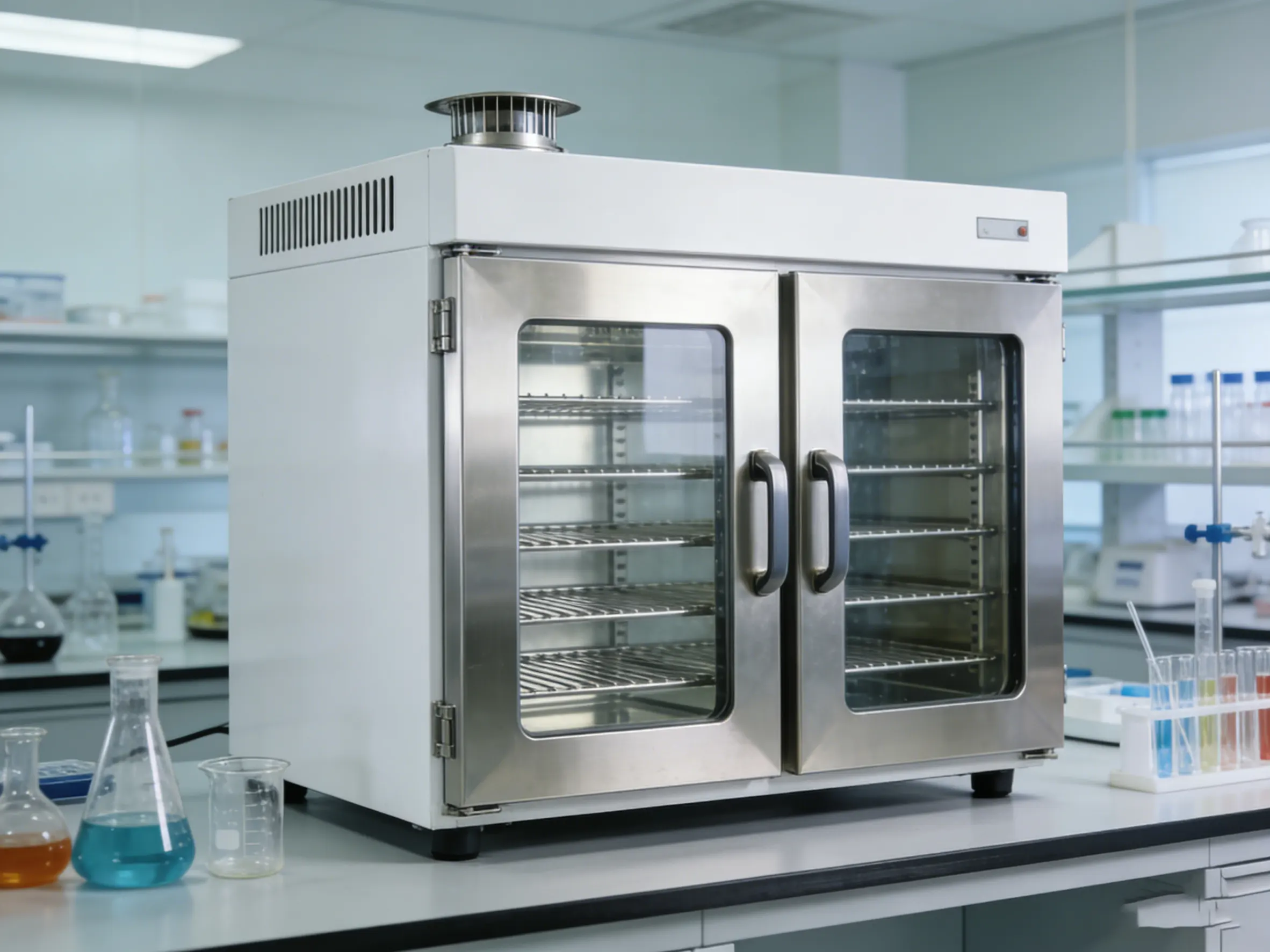
Сушильная печь в лаборатории помогает удалить влагу, растворители, и загрязняющих веществ из образцов с помощью контролируемого нагрева. Вы полагаетесь на однородность температуры для предотвращения горячих или холодных пятен, что может привести к неполному высыханию или повреждению материала. Исследования показывают, что расход воздуха, размещение обогревателя, и циркуляция воздуха все это влияет на равномерность высыхания ваших образцов.. Постоянная температура поможет вам точно подготовить образцы и сохранить целостность ваших экспериментов..
Ключевые выводы
Лабораторные сушильные шкафы удаляют влагу и загрязнения из образцов с помощью контролируемого нагрева., обеспечение точных результатов.
Равномерная температура и поток воздуха имеют решающее значение для предотвращения появления горячих или холодных пятен., которые могут повредить образцы и привести к получению недостоверных данных..
Различные типы сушильных шкафов, такие как стандартные и вакуумные печи, удовлетворить конкретные потребности, например, бережная сушка термочувствительных материалов.
Функции безопасности, такие как автоматическое отключение и сигнализация о температуре, защищают как образцы, так и пользователей., повышение безопасности лабораторий.
Регулярное обслуживание и очистка сушильных шкафов помогают поддерживать производительность и предотвращают такие проблемы, как нестабильность температуры..
Что такое сушильная печь в лаборатории
Определение и основная цель
Вы используете сушильную печь в лабораторных условиях для удаления влаги., растворители, и загрязняющие вещества из образцов. Это оборудование обеспечивает контролируемую среду с сухим теплом., который поможет вам подготовить образцы для взвешивания, химические испытания, или дальнейший анализ. Производители научного оборудования описывают лабораторные сушильные шкафы как необходимые инструменты для исследований и промышленности. Эти печи обеспечивают точную сушку., сделать ваш рабочий процесс более надежным, а результаты — более точными.
Сушильная печь в лаборатории работает, генерируя равномерное тепло.. В некоторых моделях используются вентиляторы для циркуляции сухого воздуха и удаления влаги.. Вы полагаетесь на этот процесс, чтобы предотвратить нежелательные изменения в ваших образцах.. Постоянная температура и поток воздуха помогут вам избежать ошибок и обеспечить достоверность ваших экспериментов..
Кончик: Всегда проверяйте, поддерживает ли ваша духовка постоянную температуру.. Неравномерный нагрев может повредить образцы или дать неправильные результаты..
Вот основные функции лабораторной сушильной печи:
Функция | Описание |
|---|---|
Духовка необходима для удаления влаги с образцов и сушки стеклянной посуды.. | |
Генерация равномерного тепла | Он генерирует равномерное тепло и может использовать систему вентиляторов для подачи сухого воздуха и удаления влаги.. |
Предотвращение нежелательных изменений | Этот контролируемый процесс обеспечивает точность и надежность лабораторных результатов.. |
Вы также используете эти печи для удаления содержания воды., что важно для подготовки образцов для взвешивания или химических испытаний. Духовка защищает стеклянную посуду и металлические инструменты от загрязнений.. Однородность температуры имеет решающее значение, поскольку она защищает целостность образца и помогает получать стабильные результаты..
Чем она отличается от других духовок
Вы можете задаться вопросом, чем сушильная печь в лаборатории отличается от других типов печей или нагревательных устройств.. Основное отличие заключается в температурном диапазоне и способе, которым каждое устройство контролирует окружающую среду внутри..
Тип оборудования | Рабочая температура | Описание приложения |
|---|---|---|
Сушильная печь | Предназначен для сушки материалов., использование воздушного потока для передачи тепла. | |
Муфельная печь | 500от °С до 1800 °С | Подходит для высокотемпературных применений, использование излучения для передачи тепла, идеально подходит для керамики, металлы, и стекло. |
Сушильный шкаф в лаборатории работает при температуре до 300°C.. Вы используете его для сушки, стерилизация, и термообработка. В отличие, муфельная печь достигает многого более высокие температуры и лучше всего подходит для керамики, металлы, и стекло.
Вы также можете сравнить лабораторные сушильные шкафы с инкубаторами.. Инкубаторы обеспечивают точный контроль температуры и влажности., который идеально подходит для выращивания живых образцов. Сушильные шкафы достигают более высоких температур и не контролируют влажность., делая их более удобными для сушки и стерилизации.
Особенность | Лабораторные инкубаторы | Лабораторные печи |
|---|---|---|
Температурный диапазон | Обычно до 70°C., некоторые до 100°C | Обычно колеблется от 250°C до 300°C. |
Контроль влажности | Да, точный контроль влажности | Нет контроля влажности, работает в сухом зное |
Приложение | Для роста и культуры клеток | Для сушки, стерилизация, и термообработка |
Точность температуры | Более высокая точность, однородность 0,1°C | Более низкая точность, однородность около 2°C |
Лабораторные инкубаторы обеспечивают точный контроль температуры и влажности., идеально подходит для выращивания живых образцов.
Лабораторные печи достигают более высоких температур, подходит для сушки и стерилизации, но не контролируйте влажность.
Вы выбираете сушильную печь в лаборатории, когда вам необходимо сухое тепло и постоянная температура для подготовки проб., не для выращивания клеток или работы с высокотемпературными материалами.
Как работают сушильные шкафы
Механизм нагрева
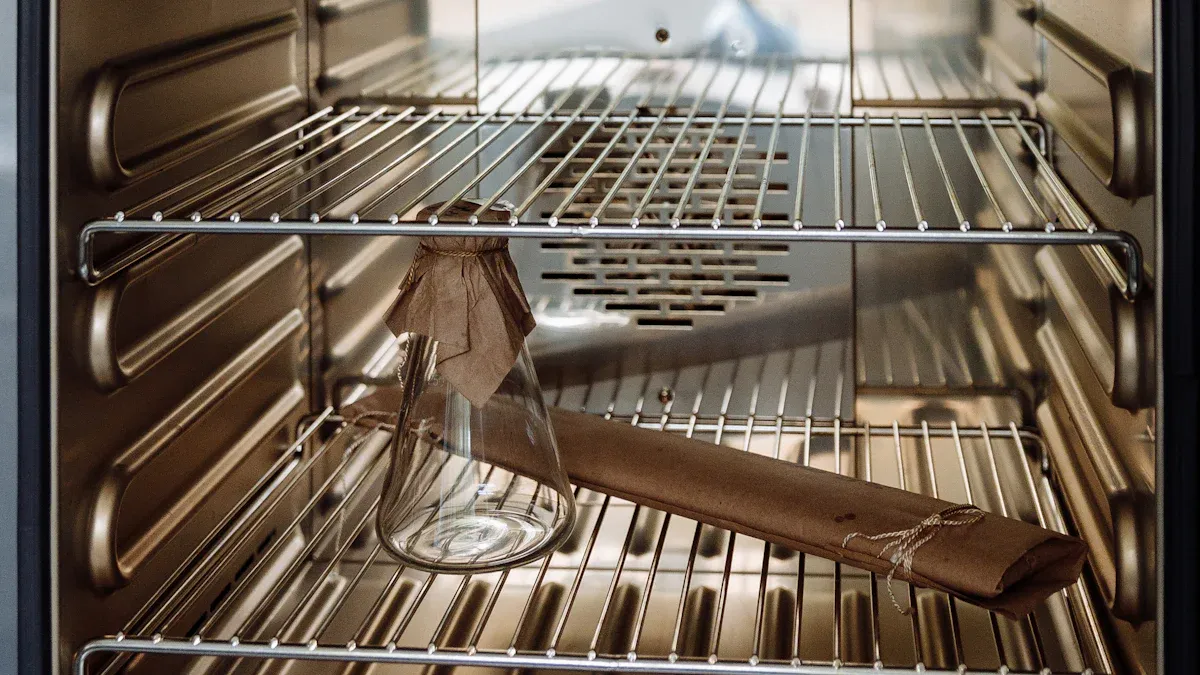
Вы полагаетесь на механизм нагрева для удаления влаги из ваших образцов.. В большинстве лабораторных сушильных шкафов используются электрические нагревательные элементы. Эти элементы преобразуют электричество в тепло с высокой эффективностью., часто достигают коэффициентов преобразования энергии выше 90%. Некоторые современные духовки используют инфракрасный нагрев., который может сушить образцы быстрее и равномернее.
Электрические нагревательные элементы являются наиболее распространенным выбором..
Технология инфракрасного нагрева обеспечивает повышенную эффективность для определенных применений..
Рейтинги энергоэффективности показывают, сколько энергии превращается в полезное тепло.
Когда вы устанавливаете температуру, нагревательные элементы духовки нагревают воздух внутри камеры. Вентиляторы или конвекционные системы помогают распределять это тепло.. Вы получаете стабильные результаты, потому что духовка поддерживает постоянную температуру и поток воздуха..
Примечание: Эффективный нагрев означает, что вы тратите меньше энергии и ускоряете сушку..
Контроль температуры
Вам необходим точный контроль температуры для защиты ваших образцов. В лабораторных сушильных шкафах используются датчики и цифровые контроллеры для поддержания стабильной температуры.. Это предотвращает деградацию образца и обеспечивает надежные результаты.. Высокопроизводительные печи исключают переменные, связанные с влажностью, чтобы вы могли доверять своим данным.
Контролируемый нагрев защищает ваши образцы от перегрева..
Равномерное распределение температуры гарантирует равномерную сушку..
Вентиляторы или конвекционные системы перемещают воздух, распространение тепла по всей камере.
Вы можете увидеть, как стабильная температура остается во время работы:
Модель духовки | Колебания температуры | Температурный диапазон |
|---|---|---|
Сушильный шкаф БОДР-202 | ±1°С | 50 – 240°С |
Сушильный шкаф БОДР-203 | ±1°С | 50 – 240°С |
Сушильная печь с постоянной температурой | ±1°С | Н/Д |
Этот жесткий контроль означает, что вы избегаете горячих или холодных точек.. Ваши образцы сохнут равномерно, и вы каждый раз получаете повторяемые результаты.
Типы конвекции
Выбирая сушильный шкаф для лаборатории, вы выбираете между естественной и принудительной конвекцией.. Печи с естественной конвекцией используют естественное движение воздуха.. Горячий воздух поднимается вверх, и холодный воздух падает, создание циркуляции. В печах с принудительной конвекцией используются вентиляторы, которые гоняют воздух по камере..
Печи с естественной конвекцией зависят от естественного движения воздуха..
В печах с принудительной конвекцией используются вентиляторы для быстрого и контролируемого потока воздуха..
Принудительная конвекция обеспечивает более быстрый и равномерный нагрев..
Печи с механической конвекцией обеспечивают большую стабильность температуры, чем печи с гравитационной конвекцией..
В духовке с принудительной обдувкой используется вентилятор для циркуляции теплого воздуха.. Это гарантирует, что каждая часть камеры будет иметь одинаковую температуру.. Гравитационные конвекционные печи работают за счет подъема горячего воздуха., что может привести к неравномерному нагреву.
Вакуумные печи предлагают еще один вариант сушки термочувствительных образцов.. Эти печи создают среду низкого давления., снижение температуры кипения воды и растворителей. Вы можете сушить деликатные материалы при более низких температурах., снижение риска термического повреждения. В одной исследовательской лаборатории, образцы полимеров, высушенные в вакуумной печи, сохранили свою форму и свойства, достижение влажность ниже 0.1%. В современных вакуумных печах используются усовершенствованные уплотнения для поддержания высокого уровня вакуума., до 10^-3 мбар. Это предотвращает окисление и сохраняет ваши образцы в безопасности..
Кончик: Используйте вакуумную печь для хрупких образцов или когда вам нужно избегать высоких температур..
Вы также хотите учитывать энергопотребление. При 150°С, использование лабораторных сушильных шкафов между 180 и 250 ватт-часы в час. Эффективные печи помогут вам сэкономить энергию и сократить расходы..
Особенности и безопасность
Элементы дизайна
Вы получаете выгоду от передовых элементов дизайна лабораторных сушильных шкафов.. Производители делают акцент на производительности и долговечности.. Энергоэффективная технология отопления использует инфракрасный нагрев для нацеливания на образцы и снижения затрат на электроэнергию. Интуитивное управление поможет вам легко установить точную температуру.. Особенности эргономичного дизайна, такие как тележки, сделать работу с пробами более безопасной и минимизировать потери тепла.
Элемент дизайна | Описание |
|---|---|
Энергоэффективная технология отопления | Использует инфракрасное отопление., что более эффективно и снижает затраты на электроэнергию за счет сосредоточения тепла на образцах. |
Интуитивное управление | Простые в использовании элементы управления и дисплеи обеспечивают точное управление температурой для повышения производительности.. |
Эргономичный дизайн | Такие функции, как эргономичные тележки, облегчают обращение и минимизируют потери тепла во время работы.. |
Кончик: Регулярная чистка и осмотр внутренней части и компонентов духовки помогают сохранить эти конструктивные преимущества.
Функции безопасности
Вы полагаетесь на функции безопасности, которые защитят ваши образцы и себя.. Международные стандарты требуют температурная стабильность, электробезопасность, и автоматическое отключение. Дверные замки и системы сигнализации при изменении температуры добавляют дополнительные уровни защиты.. Эти функции помогают предотвратить несчастные случаи и обеспечить безопасность ваших экспериментов..
Функция безопасности | Стандарт/Сертификация |
|---|---|
Температурная стабильность | ОТ 12880 (2007 обновлено) |
Электробезопасность | UL 61010-1 |
Автоматическое отключение | Требуется для безопасности |
Дверной замок | Требуется для безопасности |
Системы сигнализации по температуре | Требуется для более чем- и пониженная температура |
Примечание: Вам следует регулярно проверять электрические компоненты и функции безопасности.. Запланируйте профессиональное техническое обслуживание для тщательной проверки..
Пользовательские элементы управления
Современные лабораторные сушильные шкафы предоставляют широкий спектр пользовательских элементов управления.. Вы можете регулировать температуру и поток воздуха в соответствии с вашими образцами.. Функции безопасности защищают от перегрева.. Скорость нагрева и объем камеры вы выбираете исходя из своих потребностей.. Эти элементы управления помогают добиться равномерной сушки и надежных результатов..
Равномерное распределение температуры
Функции безопасности для защиты от перегрева
Контролируемые параметры нагрева
Варианты воздушного потока (гравитация против. механический)
Скорость и равномерность нагрева
Вместимость и размер камеры
Диапазон температур
🛠️ Соблюдение графика технического обслуживания производителя обеспечивает бесперебойную работу пользовательских элементов управления и обеспечивает точную работу..
Использование сушильной печи в лаборатории
Подготовка проб
Вы используете сушильную печь в лабораторных условиях для подготовки образцов для анализа.. Сушка удаляет влагу это может повлиять на ваши результаты. Вы часто работаете с твердыми образцами, и они должны быть сухими, прежде чем вы их взвесите или проверите.. Такие методы, как сушка в духовке., сублимационная сушка, вакуумная сушка, и распылительная сушка помогут вам достичь нужных условий.
Вот некоторые распространенные типы образцов, требующие сушки.:
Образцы почвы для анализа влажности
Растительные материалы для химических испытаний
Пищевая продукция для контроля качества
Минералы и порошки для взвешивания
Для получения точных измерений необходима равномерная сушка.. Влага может изменить вес и химические свойства ваших образцов.. С помощью сушильной печи, вы предотвращаете ошибки и повышаете достоверность ваших результатов.
Удаление растворителей и загрязнений
Вы полагаетесь на лабораторные сушильные шкафы для удаления растворителей и загрязнений из ваших образцов.. Контролируемое отопление сохраняет ваши образцы в безопасности и предотвращает загрязнение. Равномерный контроль температуры гарантирует равномерное высыхание каждой части вашего образца.. Этот процесс помогает избежать деградации и сохраняет целостность образца..
Последовательная сушка снижает вариабельность и повышает качество аналитических результатов.. Вы можете доверять своим результатам, поскольку печь защищает ваши образцы от внешних факторов..
Вы также соблюдаете лабораторные протоколы обеспечения качества, используя сушильный шкаф.. Контроль температуры и однородность предотвращают проблемы, связанные с влажностью.. Безопасность проб и предотвращение загрязнения являются ключом к получению надежных результатов.. Вы достигаете воспроизводимых экспериментов, поскольку печь обеспечивает постоянные условия..
Применение в исследованиях и промышленности
Вы найдете лабораторные сушильные шкафы в много полей. Эти печи помогут вам в работе по химии, биология, пищевая наука, материаловедение, и фармацевтика.
Поле | Типичное использование |
|---|---|
Химия | Сушка образцов, испаряющиеся растворители, стерилизация |
Биология | Сушка биологических образцов, контролируемая инкубация |
Еда и напитки | Тестирование содержания влаги, эксперименты по выпечке |
Материаловедение | Отжиг металлов, изучение деградации |
Фармацевтика | Сушильные составы, подготовка проб |
Вы зависите от сушильных шкафов для таких задач, как подготовка образцов, проверка содержания влаги, и стерилизующее оборудование. Эти печи помогут вам соблюдать протоколы качества и производить надежную продукцию., воспроизводимые результаты в вашей исследовательской и промышленной работе.
Типы лабораторных сушильных шкафов
Стандартные духовки
Вы часто выбираете стандартные лабораторные сушильные шкафы для рутинных задач по сушке.. Эти печи обеспечивают надежную работу и подходят для многих типов образцов.. Вы можете найти их в разных размерах, от небольших установок для ограниченного пространства до больших камер для больших партий. Стандартные духовки поддерживают стабильную и равномерную температуру., что поможет вам получить точные результаты. Вы легко контролируете температуру с помощью удобных настроек.. Функции безопасности защищают ваши образцы и оборудование.
Характеристика | Описание |
|---|---|
Размер и емкость | Доступны в различных размерах, от компактных до более крупных устройств для различных нужд. |
Единообразие и стабильность | Поддерживает постоянную температуру по всей камере для обеспечения научной точности.. |
Контроль и простота использования | Обеспечивает точный контроль температуры и удобные функции, такие как программируемые циклы.. |
Безопасность | Включает такие функции, как защита от перегрева и прочная конструкция.. |
Кончик: Размер печи следует выбирать в зависимости от объема пробы и лабораторного пространства..
Вакуумные печи
Вы используете вакуумные печи, когда вам нужна бережная сушка чувствительных образцов.. Эти печи удаляют воздух из камеры., что снижает температуру кипения жидкостей. Вы можете сушить образцы при более низких температурах и избежать повреждений.. Вакуумные печи помогают восстановить растворители и предотвратить окисление.. Вы часто используете их для порошков, электроника, фармацевтика, и ботанические материалы.
Термочувствительные образцы
Восстановление растворителя
Сушки порошки, электроника, фармацевтика, и ботанические материалы
Предотвращение окисления
Вакуумные печи дают вам больше контроля над процессом сушки.. Вы защищаете деликатные образцы и улучшаете свои результаты.
Специализированные модели
Вам могут понадобиться специализированные лабораторные сушильные шкафы для уникальных требований к образцам.. Некоторые духовки соответствуют строгим стандартам испытаний., например, для определения содержания асфальтового вяжущего. Эти модели соответствуют ASTM D6307 и AASHTO T. 308. Печи для сушки с принудительной подачей воздуха используются в таких отраслях, как биотехнология и материаловедение.. Вы получаете точный контроль над температурой и влажностью., что помогает эффективно сушить и обрабатывать образцы.
Лабораторные сушильные шкафы подходят для многих областей:
Биотехнология
Медицинский
Относящийся к окружающей среде
Материаловедение
Электроника
Примечание: Для достижения наилучших результатов тип печи следует подобрать в соответствии с вашими потребностями в образцах и отраслевыми стандартами..
Вы зависите от лабораторных сушильных шкафов для удаления влаги и загрязнений с помощью точный контроль температуры. Такие особенности, как прочная конструкция, равномерный нагрев, и надежные пломбы защищают ваши образцы и обеспечивают безопасность вашей работы. Вы должны учитывать размер духовки, метод нагрева, и функции безопасности, прежде чем сделать выбор. Регулярная уборка и техническое обслуживание помогают предотвратить распространенные проблемы, такие как нестабильность температуры или проблемы с вентилятором. Когда вы выбираете правильную духовку, вы улучшаете целостность проб и обеспечиваете надежные результаты.
Часто задаваемые вопросы
Какие образцы можно сушить в лабораторной сушильной печи?
Можно сушить почву, растительный материал, порошки, посуда, и металлические инструменты. Большинство печей обрабатывают неживые образцы.. Для термочувствительных вещей, вам следует использовать вакуумную печь.
Как очистить лабораторную сушильную печь?
Вам следует выключить духовку и дать ей остыть.. Протрите внутреннюю часть мягкой тканью. Используйте мягкое моющее средство для удаления стойких пятен.. Избегайте агрессивных химикатов, которые могут повредить поверхности..
Почему важна однородность температуры?
Равномерность температуры помогает получить точные результаты. Неравномерный нагрев может привести к неполному высыханию или повреждению образцов.. Перед запуском всегда следует проверять постоянство температуры..
Можно ли использовать сушильную печь для стерилизации?
Да, стерилизовать стеклянную посуду и металлические инструменты можно в сушильной печи. Установите температуру в соответствии с протоколом вашей лаборатории.. Сухое тепло убивает большинство бактерий и спор..
На какие функции безопасности следует обращать внимание?
Вам следует поискать автоматическое отключение., дверные замки, и температурная сигнализация. Эти функции защищают вас и ваши образцы. Регулярное техническое обслуживание обеспечивает работоспособность систем безопасности..