Como funciona o projeto do secador rotativo e seus princípios básicos
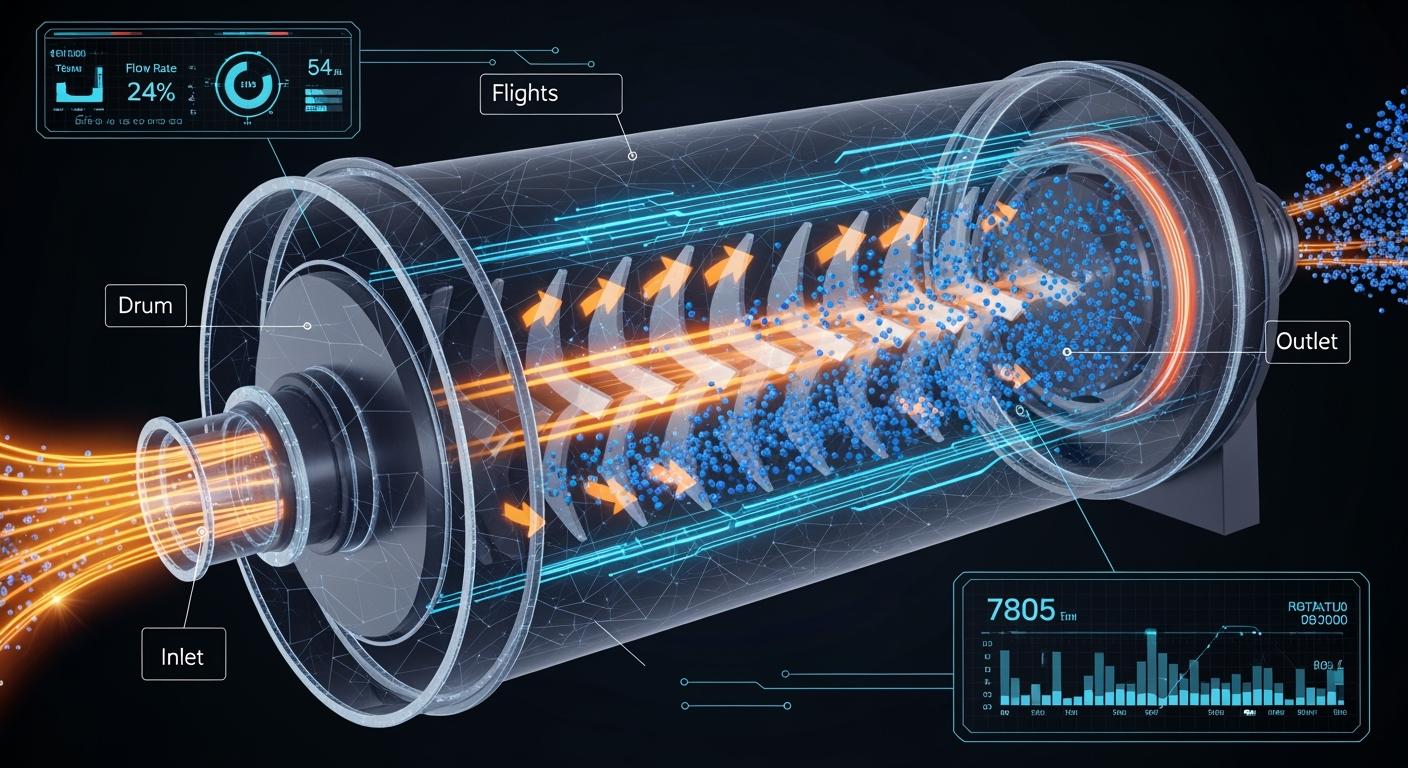
O design do secador rotativo ajuda a secar as coisas rapidamente, movendo-as em um tambor giratório. O tambor utiliza calor e ar que são controlados. Um secador rotativo usa máquinas e calor para retirar água de grandes pedaços sólidos. Secadores rotativos são usados na mineração, produtos químicos, biomassa, e fábricas de alimentos. Saber como funciona o design do secador rotativo ajuda a economizar energia e a fabricar produtos melhores. Também torna o trabalho mais rápido. A tecnologia Jiangsu Changshi fabrica boas máquinas de secagem e soluções especiais. Eles verificam a qualidade de suas máquinas.
O mercado de secadores rotativos em todo o mundo crescerá 5.3% cada ano.
O mercado vale $1.35 bilhão em 2024 e pode chegar $1.84 bilhão por 2030.
Economizar energia e seguir as regras de emissões estão se tornando mais importantes.
Impacto na eficiência | |
|---|---|
Características dos materiais | O design do secador depende do tamanho e da umidade das peças. |
Requisitos de capacidade | O tamanho da secadora muda de acordo com a quantidade que você precisa fazer. |
Metas de produção | A secadora tenta usar menos energia e funcionar bem. |
Tipo de combustível | O tipo de combustível altera o custo e como isso afeta a natureza. |
Configuração de fluxo de gás | A forma como o gás se move pode economizar energia para diferentes coisas. |
Projeto de tambor | O formato do tambor muda a forma como as coisas secam. |
Tempo de residência | O tempo na secadora é definido para obter a secura certa. |
Controle de temperatura | O calor é monitorado para que o produto não se machuque. |
Takeaways -chave
Os secadores rotativos são muito importantes em muitas indústrias, como a alimentícia, produtos químicos, e mineração. Eles ajudam a secar materiais bem e rapidamente.
Saber como funciona o design do secador rotativo pode economizar energia. Também pode melhorar os produtos e ajudar o trabalho a ser mais rápido e suave.
Peças importantes do design, como o formato do tambor, como o ar se move, e o design do voo mudam a qualidade da secagem e a qualidade do produto.
Fazer manutenção regular e usar controles inteligentes pode fazer com que os secadores rotativos funcionem melhor. Isso pode usar menos energia e impedir que as máquinas quebrem.
A Jiangsu Changshi Technology fabrica soluções especiais de secagem. Eles garantem que cada secador rotativo atenda às necessidades de cada indústria.
Visão geral do secador rotativo
O que é um secador rotativo
Um secador rotativo é usado em muitas fábricas. Esta máquina seca coisas sólidas girando-as em um grande tambor. O tambor gira enquanto o ar quente passa por ele. Os materiais rolam e misturam, então eles secam mais rápido. Você pode secar pós, grânulos, ou pequenos pedaços de madeira com ele. O design permite alterar os níveis de calor e ar. Isso mantém a secagem segura e funciona bem.
A Jiangsu Changshi Technology fabrica muitas máquinas de secagem. Você pode escolher entre muitos tipos de secadores rotativos. A empresa oferece opções especiais para diferentes trabalhos. Você recebe ajuda desde o início até depois da compra. A equipe ouve o que você diz e melhora as máquinas. Eles verificam cada secador rotativo para ter certeza de que funciona corretamente.
Descrição | |
|---|---|
Série ZDG | Secador vibratório a vácuo (Especialmente para bateria de lítio) |
Série YQJ | Secador de disco rotativo (Secador de disco rotativo horizontal/secador de pá de disco rotativo horizontal) |
Série LDG | Secador misturador de fita vertical monocônico |
Série HD | Forno de secagem a vácuo de microondas |
Série ZPD | Secador de grade a vácuo (Secador de impulsor de grade a vácuo) |
Série YZG | |
Série SZG | Secador Cônico a Vácuo (Secador a vácuo cônico rotativo) |
Série QJP | Secador de lâmina oca a vácuo (Secador de impulsor oco a vácuo/secador de pá oca a vácuo) |
Principais usos industriais
Os secadores rotativos são usados em muitos tipos de trabalho. Essas máquinas ajudam a secar as coisas de maneira rápida e uniforme. Aqui estão algumas maneiras pelas quais as pessoas os usam:
Subprodutos de embalagem de carne
Microcervejarias e destilarias
Turfa
Silvicultura e produtos florestais
Processamento de papel e celulose
Serragem, lascas de madeira, e resíduos de madeira
Tratamento de resíduos industriais
Fabricação farmacêutica
Processamento de tabaco
Ração animal, como casca e polpa de frutas cítricas
Produção de etanol, como secar milho
Produção de fertilizantes, resíduos de secagem
Processamento de madeira maciça, secagem de partículas de madeira
Você pode ver que os secadores rotativos são importantes em muitas áreas. A máquina ajuda a economizar energia e melhora os produtos. A Jiangsu Changshi Technology tem opções para todo tipo de trabalho. Você obtém uma secadora rotativa que se adapta ao seu trabalho e funciona bem.
Componentes do projeto do secador rotativo
O design do secador rotativo tem muitas peças importantes que funcionam juntas. Essas peças ajudam a secar as coisas bem e rápido. Se você sabe o que cada parte faz, você verá por que os secadores rotativos funcionam em muitos trabalhos.
Tambor e Fluxo de Material
O tambor é o parte principal do secador rotativo. Também é chamada de casca. Você coloca material úmido dentro do tambor. O tambor gira e move o material para frente. O ar quente encontra o material à medida que ele se move. A forma como o material se move dentro do tambor altera a qualidade da secagem.
Você pode escolher diferentes maneiras de o ar fluir no projeto do seu secador rotativo:
Configuração de fluxo de ar | Descrição | Adequação |
|---|---|---|
Fluxo Cocorrente | Ar e material seguem o mesmo caminho. | Melhor para materiais sensíveis ao calor e secagem rápida. |
Fluxo Contracorrente | O ar vai para o outro lado do material. | Usa melhor o calor, mas pode ficar muito quente. |
O caminho do fluxo de ar ajuda a controlar o calor e a velocidade de secagem. Você escolhe isso com base no que precisa secar e na quantidade de calor que pode suportar.
Sistemas de acionamento e suporte
Os sistemas de acionamento e suporte ajudam o tambor a girar suavemente. O conjunto de acionamento possui um motor e engrenagens para girar o tambor. Anéis de suporte, rodas de munhão, e rolos de impulso seguram o tambor. Eles deixaram girar sem tremer.
Aqui estão algumas partes principais deste sistema:
Montagem da unidade: Gira o tambor.
Anel de equitação: Segura o tambor e suporta seu peso.
Rodas munhão: Ajude o tambor a girar em linha reta.
Rolos de impulso: Impedir que o tambor se mova lateralmente.
Essas peças garantem que o design do seu secador rotativo funcione com segurança e dure mais.
Voos e dispositivos de elevação
Os vôos são placas de metal dentro do tambor. Eles levantam e soltam o material conforme o tambor gira. Isso espalha o material. O ar quente pode tocar mais. Um bom design de voo é muito importante para secar bem.
Tipo de projeto de voo | Efeito na distribuição de partículas | Benefícios |
|---|---|---|
Voos retos | Mistura bem coisas pegajosas ou grossas. | Ajuda a secar materiais resistentes. |
Voos semicirculares/angulares/retangulares | Melhor para materiais de fluxo livre. | Permite que o ar quente toque mais material. |
Levantadores complexos retêm mais material e ajudam o calor a se mover melhor. Levantadores simples não funcionam tão bem para coisas pesadas ou pegajosas. Escolher o design de voo certo ajuda você a secar melhor e economizar energia.
Dica: A forma como você configura as talas e os dispositivos de elevação dentro do tambor pode alterar a rapidez e até mesmo a secagem do seu material.
Fonte de calor e fluxo de ar
A fonte de calor fornece a energia necessária para secar as coisas. Você pode usar queimadores, câmaras de combustão, ou vapor. O fluxo de ar traz calor através do tambor e retira a água.
Você pode escolher secadores co-correntes ou contrafluxo:
Os secadores co-correntes secam o exterior rapidamente e protegem os produtos sensíveis ao calor.
Os secadores de contrafluxo usam melhor o calor e funcionam para coisas que precisam de alto calor.
A fonte de calor e o fluxo de ar corretos no design do seu secador rotativo ajudam você a controlar a qualidade e economizar energia.
Sistemas de alimentação e descarga
Os sistemas de alimentação e descarga movem o material para dentro e para fora do secador. Você pode usar transportadores helicoidais ou elevadores de caçamba colocar material úmido. No final, tampas e transportadores retiram o produto seco.
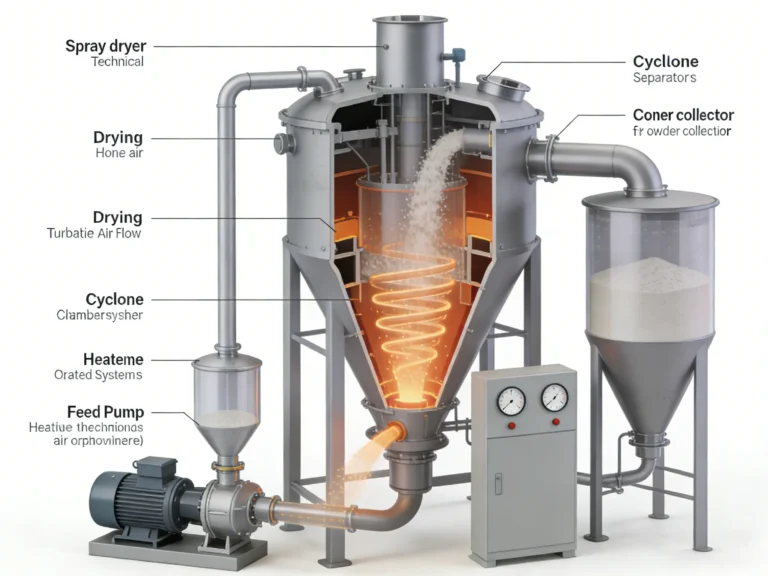
Bons sistemas de alimentação e descarga mantêm a secagem constante. Eles ajudam você a obter bons produtos e evitar desperdícios. Sistemas de gases de escape, como baghouses e ciclones, pegar poeira e manter o ar limpo.
Observação: Usar o equipamento certo para movimentar materiais pode ajudá-lo a produzir mais e a manter seu produto seguro e limpo.
Mesa: Principais componentes estruturais e suas funções
Componente | Contribuição para o processo de secagem |
|---|---|
Concha | Segura todas as peças e permite que o calor alcance o material. |
Câmara de Combustão | Produz ar quente para secar. |
Queimador | Fornece o calor necessário para a secagem. |
Calha de alimentação | Coloca material úmido na secadora. |
Selo de ar | Impede o vazamento de ar e material. |
Conjunto de unidade | Gira o tambor e move o material. |
Anel de equitação | Segura o tambor e sofre pressão. |
Rolos de impulso | Evite que o tambor se mova lateralmente. |
Rodas Munhão | Ajude o tambor a girar suavemente. |
Voos | Levante e solte o material para melhor transferência de calor. |
Brecha de descarga | Permite a saída do produto seco e dos gases de exaustão. |
Quando você olha para todas essas partes importantes, você vê como o design do secador rotativo os reúne para uma boa secagem. Cada parte tem um trabalho especial. Junto, eles ajudam você a obter os melhores resultados para o seu material.
Princípio de funcionamento do secador rotativo
Entrada e movimentação de materiais
Você começa colocando o material úmido no secador rotativo. O tambor gira e levanta sólidos com alças dentro. Estas alças agarram o material e o movem ao redor da borda do tambor. Quando o tambor gira, sólidos caem no ar quente como uma cortina. As partículas saltam, rolar, e deslize na parte inferior do tambor. Este movimento espalha o material. Permite que o calor e o ar toquem mais nele. A rotação e a cascata ajudam a secar o material de forma rápida e uniforme.
Veja como o material se move em um secador rotativo:
Os vôos agarram os sólidos.
Os sólidos se elevam ao redor da borda do tambor.
Os sólidos caem através do fluxo de gás como uma cortina.
Partículas saltam, rolar, e deslize na parte inferior do tambor.
Este processo utiliza gravidade e máquinas para mover o material do início ao fim. Você pode alterar a velocidade e o ângulo do tambor de acordo com suas necessidades de secagem.
Dica: A queda e a cascata permitem que o ar quente toque mais material. Isso faz com que a secagem funcione melhor.
Mecanismos de transferência de calor
A transferência de calor é importante em como funcionam os secadores rotativos. Você usa calor para diminuir a umidade no material. O secador usa formas diretas ou indiretas de mover o calor.
Tipo de secador rotativo | Mecanismo de transferência de calor | Características principais |
|---|---|---|
Secador Rotativo Direto | Transferência de calor convectiva | Material toca ar quente, bom para grandes trabalhos |
Secador Rotativo Indireto | Transferência de calor condutiva e radiativa | Não toque no ar quente, usa tubos para aquecimento |
Existem duas fases principais na secagem. No fase aérea, vôos levantam material e mostram-no ao ar quente. Na fase densa, o material se acumula perto do fluxo de ar quente. A maior parte da secagem acontece na fase aérea, mesmo que o material permaneça mais tempo na fase densa.
A transferência de calor acontece por convecção, condução, e evaporação:
A convecção move o calor do gás quente para a superfície do material. O gás também tira o vapor de água.
A condução move o calor quando o material toca superfícies ou tubos aquecidos.
A evaporação remove a água à medida que o calor a transforma em vapor.
Os ventiladores movem o ar aquecido, o que ajuda a evaporação. O fluxo de gás move o calor e retira o vapor de água. Você pode alterar o fluxo de ar e a fonte de calor de acordo com seu material e objetivos de secagem.
Observação: Escolher o método correto de transferência de calor seca o material mais rapidamente e mantém alta qualidade.
Processo de remoção de umidade
A remoção de umidade é o trabalho principal de secadores rotativos. Você usa calor e fluxo de ar para fazer a água sair do material. Secadores adiabáticos usam gases quentes para tocar sólidos e remover umidade. Os secadores não adiabáticos usam calor através de paredes metálicas para ajudar a umidade a sair.
Você pode usar diferentes formas de fluxo de gás, como circulação cruzada, circulação direta, ou fluxos de gás lentos. Essas formas mudam a rapidez e a uniformidade com que você seca o material.
Modelos matemáticos ajudam a medir a umidade e temperatura ao longo do secador. Modelos inteligentes usam dados para encontrar padrões. Modelos híbridos misturam conhecimento e dados para encontrar peças desconhecidas.
Aqui estão as principais etapas do processo de secador rotativo:
Queimador produz calor.
O soprador adiciona ar para secagem.
O material cai à medida que se move através do ar quente.
O exaustor permite a saída de fumos e vapor de água.
As hélices levantam e soltam material através do ar quente.
O soprador remove o vapor de água.
Correntes e martelos impedem que o material grude nas escadas e nas paredes.
Você usa estas etapas para controlar a remoção de umidade e manter a secadora funcionando bem. O princípio de funcionamento do secador rotativo mistura transferência de calor, movimento de materiais, e remoção de umidade para uma boa secagem.
Alerta: Uma boa remoção de umidade evita o acúmulo pegajoso e mantém a secadora funcionando perfeitamente.
Fatores de desempenho e otimização
Variáveis de materiais e processos
Você pode fazer com que os secadores rotativos funcionem melhor conhecendo as variáveis do material e do processo. O tamanho e a umidade do seu material alteram o quão bem ele seca. Se todas as peças forem do mesmo tamanho, a secagem funciona melhor. Se o seu material estiver muito molhado, pode bloquear o tambor. Se estiver muito seco, poeira pode ser perigosa. Você deve manter a umidade entre 10% e 15%. Você pode triturar ou peneirar materiais para torná-los do mesmo tamanho. Esta etapa ajuda a secar pequenas coisas como areia ou fertilizante.
Fator | Influência na operação do secador rotativo |
|---|---|
Tamanho de partícula | O tamanho uniforme das partículas é essencial para uma secagem eficiente. |
Conteúdo de umidade | Afeta a escolha dos métodos de secagem e parâmetros operacionais. |
Controle de temperatura | Necessário para evitar secagem excessiva ou sinterização de materiais. |
Você precisa observar a temperatura e a velocidade do tambor. Se o o gás de secagem não está quente o suficiente, a secagem fica mais lenta. Se o feed mudar, a secagem pode ser irregular. Sistemas de controle ruins podem causar má secagem. Você pode alterar o design do voo e a velocidade do tambor para melhorar a secagem.
Eficiência e Controle Energético
Você pode economizar energia e secar melhor as coisas com controles inteligentes. Os sistemas de recuperação de calor retiram o calor do ar de exaustão e o utilizam novamente. Esta etapa reduz o uso de energia. Os controles avançados alteram as configurações de secagem enquanto observam a secadora. Você pode usar unidades de velocidade variável para combinar a velocidade do motor com as necessidades de secagem. Essas unidades ajudam você a economizar energia quando a secadora não está cheia.
Tipo de tecnologia | Benefícios |
|---|---|
Sistemas de recuperação de calor | Capturar e reutilizar energia térmica do ar de exaustão, reduzindo significativamente o consumo de energia. |
Sistemas de controle avançados | Otimize o uso de energia ajustando os parâmetros operacionais com base no monitoramento em tempo real. |
Você pode usar a IoT para observar a secagem em tempo real. Sensores verificam o funcionamento da secagem e encontram problemas. O controle preditivo usa IA para alterar as configurações e impedir a secagem excessiva. Os gêmeos digitais permitem testar a secagem sem usar a máquina real. Um bom design do tambor ajuda a secar as coisas de maneira uniforme e mais rápida.
Dica: Verifique e conserte sua secadora com frequência para mantê-la funcionando bem e evitar o desperdício de energia.
Inovações da Jiangsu Changshi Technology
A Jiangsu Changshi Technology traz novas ideias para máquinas de secagem. Você obtém soluções especiais para o seu trabalhos de secagem. A empresa usa recuperação de calor avançada e controles inteligentes. A IoT permite que você observe a secagem enquanto ela acontece. A manutenção preditiva interrompe o tempo de inatividade. A equipe ouve seu feedback e melhora os secadores. As verificações de qualidade garantem que cada secadora funcione corretamente. Você pode confiar na tecnologia Jiangsu Changshi para secagem mais rápida e bom desempenho.
Aspecto de otimização | Contribuição |
|---|---|
Projeto de voo | Melhora a eficiência térmica e a secagem uniforme dos materiais. |
Acionamentos de velocidade variável | Permite melhor controle do consumo de energia durante a operação. |
Você pode escolher entre vários secadores e obter ajuda do início ao fim. A tecnologia Jiangsu Changshi ajuda você a secar bem as coisas e obter resultados de alta qualidade.
Você pode secar bem as coisas se souber como funciona o design do secador rotativo. Cada parte do secador rotativo tem uma função a cumprir. Se você escolher o comprimento e a largura corretos para o tambor, a secagem é mais rápida e custa menos. O número de lâminas dentro do tambor também é importante. Alterar a temperatura do ar pode ajudá-lo a secar melhor as coisas. Você também pode alterar as constantes de secagem para obter bons resultados.
Visão do Componente | Benefício Operacional |
|---|---|
Secagem mais rápida, custos mais baixos | |
Temperatura do ar | Eficiência equilibrada |
Constante de secagem | Melhor secagem |
A tecnologia do secador rotativo está cada vez melhor. Novos modelos consomem menos energia e podem ser feitos para trabalhos especiais.
Tendência | Descrição |
|---|---|
Sistemas de secagem personalizados | |
Eficiência Energética | Custos mais baixos, menos impacto |
Automação | Operações mais inteligentes |
A Jiangsu Changshi Technology escuta o que você precisa. Eles fabricam secadores que funcionam bem e usam novas ideias para cada tipo de negócio.
Perguntas frequentes
Quais materiais você pode secar em uma secadora rotativa?
Você pode pós secos, grânulos, lascas de madeira, e biomassa. Os secadores rotativos também secam minerais, produtos químicos, e produtos alimentícios. Você escolhe a secadora observando o tamanho do seu material e quão úmido ele está.
Como você controla a temperatura de secagem?
Você usa queimadores ou vapor para definir o calor. Sensores verificam a temperatura o tempo todo. Você altera as configurações para manter seu produto seguro e secar as coisas mais rapidamente.
Dica: Sempre observe a temperatura para não superaquecer coisas sensíveis.
Por que o design do voo é importante em secadores rotativos?
O design do voo espalha o material dentro do tambor. Bons voos levantam e soltam sólidos para melhor contato térmico. Isso torna a secagem mais rápida e uniforme.
Tipo de voo | Melhor uso |
|---|---|
Direto | Materiais pegajosos |
Curvado | Materiais de fluxo livre |
Como você mantém uma secadora rotativa funcionando com eficiência?
Você limpa o tambor e verifica as peças com frequência. Os controles inteligentes ajudam você a alterar a velocidade e o calor. Você procura poeira e bloqueios. O cuidado regular mantém sua secadora funcionando bem.