A Guide to Milk Powder Drying Pros and Cons in 2026
Are you trying to find out which milk powder drying process is best for you in 2026? You may want to know how each method changes efficiency, quality, cost, and sustainability. Top brands like Jiangsu Changshi Technology keep making better drying solutions. Look at the latest numbers below to see why your choice matters:
Metric | Value |
|---|---|
Global Market Size | |
Growth Rate | 3.9% CAGR (2026-2033) |
Largest Segment | Online Distribution |
Fastest Growth Segment | Offline Channels |
You can pick the best method when you know the good and bad parts of each one.
Key Takeaways
Learn about the different milk powder drying methods. This helps you pick the best one for your needs. Spray drying works fast and is efficient. But it uses more energy. Think about your budget and if you want to save energy. Freeze drying keeps nutrients and flavor. It is good for high-value products like baby formula. Drum drying costs less and is quick. But it can change the taste. It works best for products that need a cooked flavor. Check each drying method for how well it works, quality, cost, and if it is good for the environment. This helps you reach your product goals.
Milk Powder Drying Process Overview
You should know how the milk powder drying process works before picking a method. Every drying process has its own steps. Each one changes the final product in different ways. These are the main steps in the milk powder drying process:
Raw milk collection makes sure you use good milk.
Pasteurization heats milk to kill bacteria but keeps nutrients.
Standardization changes fat and protein levels for your needs.
Evaporation takes out most water to make the milk thicker.
Spray drying dries milk fast to keep nutrients and stop clumps.
Cooling helps the powder stay fresh and dry.
Sieving and testing check for smooth texture and good quality.
Packaging and storage keep the powder fresh and make it last longer.
Spray Drying
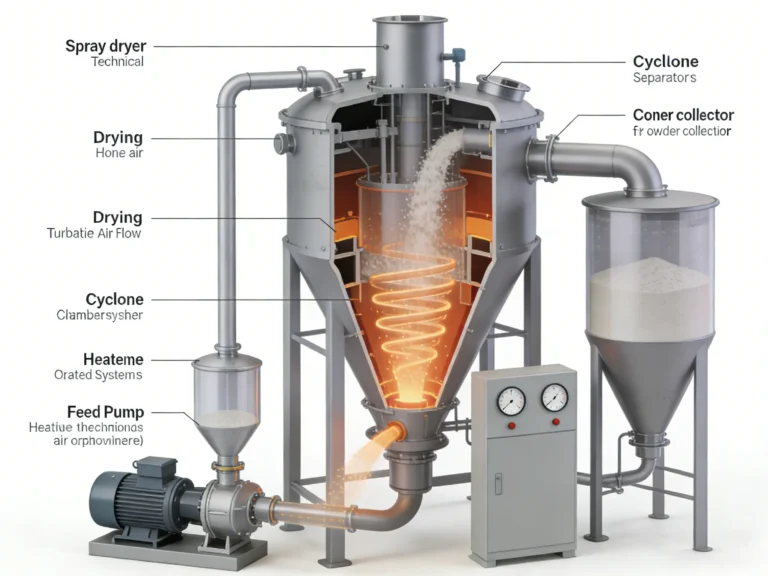
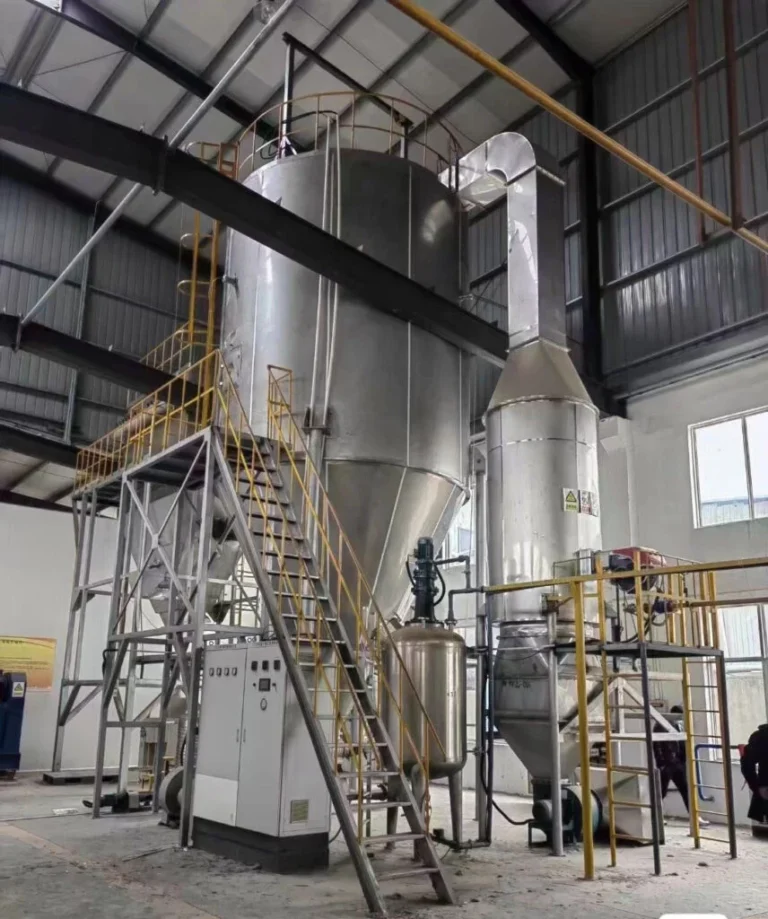
Spray drying is the most used milk powder drying process. You spray thick milk into hot air. The drops dry almost right away. This drying process keeps vitamins and proteins in the powder. Jiangsu Changshi Technology makes spray dryers for high-quality results.
Freeze Drying
Freeze drying uses cold and low pressure to take water out of frozen milk. You get powder with great taste and nutrition. This milk powder drying process is good for products that need gentle care.
Drum Drying
Drum drying puts milk on a hot drum. Water leaves as the drum turns. You get powder with a cooked taste. This drying process is quick and saves money for some uses.
Vacuum Drying
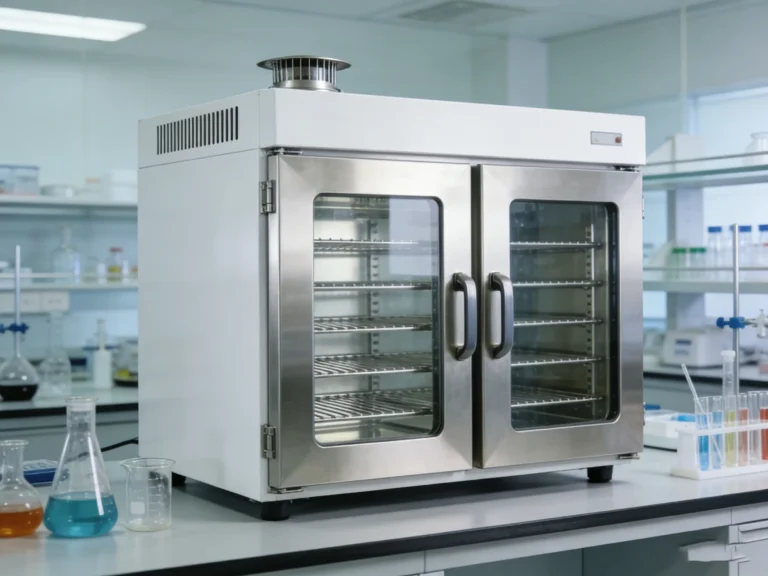
Vacuum drying takes out water at low heat and low pressure. You keep important nutrients and flavors safe. Jiangsu Changshi Technology has vacuum dryers for special milk powder drying process needs.
Mesh-Belt and Fluidized Bed Drying
Mesh-belt and fluidized bed drying move milk over a hot surface or through hot air. You can control the drying process for even results. Jiangsu Changshi Technology’s mesh-belt and fluidized bed dryers give custom choices for your milk powder drying process.
Picking the right milk powder drying process helps you keep nutrients, work better, and reach your product goals. The right drying process also changes cost and how green your product is.
Spray Drying
Spray Drying Advantages
Spray drying is seen as the best way to make milk powder. This method works fast and gives you good powder. You can trust spray drying for many reasons:
It dries milk quickly and keeps nutrients and taste.
The powder is even, has little moisture, and flows well.
You can change how the powder acts, like how dense or how easy it dissolves.
The process is safe and lowers the chance of germs.
You can make a lot of powder at once and get the same results each time.
Jiangsu Changshi Technology makes spray dryers with different atomization systems. You can change how much air and milk go in to fit what you need. These machines use tested ways to make the process better for milk and whey. You get good powder every time.
Spray Drying Cons
You should know the bad parts before picking spray drying. The biggest problem is it uses a lot of energy. Spray drying needs more power than other ways. For example, it can use up to 8.46 kWh for each kilogram, but infrared drying uses only 3.41 kWh for each kilogram. This means it costs more and needs more energy.
Other bad parts are:
The process is hard and needs trained workers.
It is tough to control how big the drops are and how they dry.
It is hard to guess how the dryer will work.
The powder can change, like how wet it is.
You need to think about these bad parts and the good parts of spray drying.
Typical Applications
Spray drying is used for many things. It works for milk powder, coffee creamer, and baby formula. It is also used in medicine, where you need careful control and clean powder. Medicine spray drying helps make powders for drugs, vitamins, and probiotics. You can use this method for both food and medicine needs.
Jiangsu Changshi Technology gives you spray dryers made just for your needs. You get machines that fit what you want, whether you work with food or medicine.
Freeze Drying
Pros
You can choose freeze-drying when you want to keep milk powder fresh for a long time. This method removes water from frozen milk under low pressure. You get powder that stays good for years. Look at the table below to see why freeze-drying stands out for shelf life and nutrition:
Benefit | Details |
|---|---|
Shelf Life | |
Storage | Requires only a cool, dry place (such as your pantry) |
Nutrient Value | Maintains essential nutrients and antibodies |
Freeze-drying helps you keep the taste and smell of milk. You do not lose much flavor. You also keep important proteins and vitamins. Studies show freeze-drying keeps more nutrients than other methods. For example, you keep more lysozyme and immunoglobulins. These help your body fight germs. You also keep more lactoferrin, which helps your body use iron.
Cons
You should know that freeze-drying takes more time than other drying methods. The process uses special machines and needs more steps. This can make it cost more. You may also need more space for the equipment. Some people find the powder can be more airy or light, which may change how it mixes in water. You need to decide if these things matter for your product.
Applications
You can use freeze-drying for milk powder that needs to keep its nutrients and taste. This method works well for baby formula, medical nutrition, and specialty foods. Many companies use freeze-drying for products that need a long shelf life. You can store the powder in your pantry without a fridge. You also get powder that mixes well in water and keeps its creamy taste.
Freeze-drying is a smart choice for high-value products. You see it in health foods, sports nutrition, and emergency food packs. The table below shows how freeze-drying compares to spray drying for keeping nutrients:
Study | Method | Key Findings |
|---|---|---|
Vincenzetti et al. | Freeze Drying | No significant impact on lysozyme activity |
Zou et al. | Freeze Drying | |
Morel et al. | Freeze Drying | 8-10% less denaturation of lactoferrin compared to spray drying |
Zhang et al. | Freeze Drying | Unchanged IgG content; higher retention of immunoglobulin A and M |
You can trust freeze-drying to give you milk powder with high nutrition and long shelf life.
Drum Drying
Pros
Drum drying is an easy way to make milk powder. You put milk on a hot drum. The drum turns and dries the milk fast. Drum drying works for many kinds of milk. This method is good for big factories. It saves time because it finishes quickly. Drum drying uses less energy than other ways. You spend less money on machines. Drum dryers cost less than spray dryers. The table below shows the main costs:
Cost Type | Description | Impact on Operations |
|---|---|---|
Energy Consumption | Drum dryers use less energy than other methods. | Lower costs because you save energy. |
Maintenance Requirements | You need regular maintenance to keep quality. | Costs go up if you skip maintenance. |
Capital Investment | Drum dryers cost less than spray dryers. | You spend less money at first. |
Drum drying helps you save energy costs. You also get powder with a special cooked taste. Many people like this flavor in some foods.
Cons
You should know drum drying has some limits. The powder tastes cooked or caramelized. Some foods need a mild taste, so drum drying may not work. You must do regular maintenance. If you skip cleaning, you lose quality. Drum dryers need careful cleaning. The powder can clump or feel gritty. Drum drying is best for foods that do not need a smooth texture. You also need to watch for uneven drying. Drum drying uses less energy, but you must manage maintenance costs.
Drum dryers use more energy and need more maintenance.
They cost less than spray dryers, so you save money.
Regular maintenance keeps the powder good.
Applications
Drum drying works for many foods. This method is used in factories for milk powder, baby cereal, and instant soup mixes. Drum drying is good when you need fast results. You see drum drying in big factories. Many companies use drum drying for foods with a cooked taste. Drum drying helps make powders for bakery mixes and snacks. You can use drum drying for making lots of food. Drum drying is a cheap way to make milk powder with less energy.
Vacuum, Mesh-Belt, and Fluidized Bed Drying
Pros
You can pick vacuum, mesh-belt, or fluidized bed drying to keep your milk powder good. These methods help keep the smell, color, and taste strong. You do not lose flavor like with older drying ways. These machines use less energy because they work with high vacuum. The drying process uses lower heat and pressure. Your milk powder keeps its nutrients and does not get damaged by air.
Jiangsu Changshi Technology has smart machines that give you more control. You can make bigger batches with these dryers. You need fewer workers because the machines run mostly by themselves. You can connect these dryers to other steps in your factory. This makes your work easier and faster.
Keeps smell, color, and taste in milk powder
Uses less energy with high vacuum
Stops air damage and keeps nutrients safe
Good for making lots of powder fast
Works well with other machines in your factory
Needs fewer workers
Cons
You may have some problems with these drying ways. The machines cost more when you buy them. You need trained people to run and fix them. Sometimes, drying takes longer than other ways. You must check the settings often to get good powder. The powder can feel different based on which drying method you use.
Note: You should plan to teach workers and do regular checks to keep your machines working well.
Applications
You can use vacuum, mesh-belt, and fluidized bed drying for many kinds of milk powder. These ways are good for special products that need to keep their taste and nutrients. Factories use these dryers for baby formula, health powders, and fancy dairy products. You can also use them for powders that mix fast in water.
Drying Method | Best For | Key Benefit |
|---|---|---|
Nutrient-rich powders | Protects sensitive proteins | |
Mesh-Belt Drying | Large-scale production | Even drying and easy scaling |
Instant powders | Fast drying and good texture |
Jiangsu Changshi Technology can make machines just for you. You get dryers that fit your needs and help you make great milk powder.
Comparing Milk Powder Drying Techniques
When you compare milk powder drying techniques, you see that each method has its own strengths and weaknesses. You need to look at efficiency, quality, cost, and sustainability. This helps you pick the best method for your needs.
Efficiency and Quality
You want a drying method that works fast and gives you good powder. Spray drying is very efficient. You can make a lot of powder in a short time. The powder flows well and dissolves quickly. Freeze drying takes longer, but it keeps more nutrients and gives you a light, fluffy powder. Drum drying is fast and uses less energy, but the powder can taste cooked. Vacuum, mesh-belt, and fluidized bed drying give you control over the process. You can keep the smell, color, and taste strong.
You should know how each method changes the quality of your milk powder. Here is a quick look:
Drying Technique | Efficiency | Quality Outcome |
|---|---|---|
Spray Drying | High | Good solubility, even texture, keeps nutrients |
Freeze Drying | Low | Best for nutrients, light texture, long shelf life |
Drum Drying | High | Cooked taste, can be gritty |
Vacuum Drying | Medium | Keeps nutrients, good for special powders |
Mesh-Belt/Fluidized Bed | Medium-High | Even drying, keeps flavor and color |
High-temperature drying can cause molecular denaturation. This makes the powder denser.
Low-temperature drying, like freeze drying, keeps more amorphous parts. This helps the powder dissolve better.
Hot-air drying can make a dense shell on the powder. This reduces how well it mixes with water.
Low-temperature drying keeps the powder porous. This helps water soak in and makes the powder easy to use.
You see that the drying method has a big impact on the final product. You need to match the method to your quality goals.
Cost and Sustainability
You must think about cost and sustainability when you choose a drying method. Spray drying needs more energy, so it costs more to run. Freeze drying uses special machines and takes more time. This makes it the most expensive method. Drum drying uses less energy and costs less, but you may need more maintenance. Vacuum, mesh-belt, and fluidized bed dryers can cost more at first, but they save energy and help with sustainability.
Here is a table to help you compare:
Aspect | Spray Drying | Freeze Drying | Drum Drying | Vacuum/Mesh-Belt/Fluidized Bed |
|---|---|---|---|---|
Equipment Cost | High for large systems | Highest | Low | Medium-High |
Maintenance | Needs skilled workers | Needs special care | Regular cleaning needed | Needs trained staff |
Energy Usage | High | Very High | Low | Medium |
Sustainability | Can improve with upgrades | Good for long shelf life | Saves energy | Supports green production |
Larger dryers need advanced systems and strong materials. This raises the equipment cost.
Complex designs mean you need more maintenance.
Bigger dryers use more energy, but you can add heat recovery systems to help with sustainability.
You want to lower your costs and help the planet. You can do this by picking a method that matches your goals for sustainability. You can use less energy and make less waste. You can also choose machines that last longer and need less repair. This helps with sustainability in your factory.
Sustainability matters for your business and the environment. You help the planet when you use less energy and make less pollution. You can also recycle heat and water in your process. This makes your work better for the earth. You can tell your customers that you care about sustainability. This can help your business grow.
You should look for machines that use less energy and make less waste. You can ask for custom solutions that fit your needs. This helps you reach your sustainability goals. You can also save money in the long run. Sustainability is not just a trend. It is a smart way to run your business.
Suitability for Different Needs
You need to match the drying method to your product. Spray drying works best for infant formula and sports nutrition. You get powder that dissolves well and tastes neutral. Freeze drying is good for products that need to keep all their nutrients. You can use it for medical foods and emergency packs. Drum drying is best for foods that need a cooked taste, like bakery mixes. Vacuum, mesh-belt, and fluidized bed drying are good for special powders and large batches.
Here is a quick guide:
Use spray drying for infant formula and sports nutrition. You get good solubility and taste.
Pick freeze drying for high-value products that need the best nutrition.
Choose drum drying for foods that need a cooked flavor.
Try vacuum, mesh-belt, or fluidized bed drying for powders that need to keep their color, taste, and nutrients.
Milk powder is a flexible ingredient. You can use it in many foods, from baby formula to baked goods. You need to pick the right drying method for your product. This helps you get the best quality and meet your goals for sustainability.
Tip: Always think about your product’s final use. This helps you choose the right drying method and reach your sustainability targets.
You see that each drying method has a different impact on your product, your costs, and your sustainability goals. You can make a smart choice when you know what each method offers. You help your business and the planet when you focus on sustainability.
Choosing a Drying Method
You need to think about your goals before picking a drying method. Cost, quality, sustainability, and size matter for your business. Each drying method changes your product in its own way. This guide helps you pick the best way for oat milk powder or other dairy products.
Cost Factors
You should look at all costs in making your product. The price of milk or oat milk powder is the biggest expense. You also pay for machines, workers, and energy. Some drying methods need more money for machines. Others help you save on running costs. The table below shows what to think about:
Cost Factor | Description |
|---|---|
Raw Material Costs | The price of milk or oat milk powder affects your profit. |
Capital Investment | Some machines cost more to buy and install. |
Operational Costs | Labor, utilities, and energy use change your total cost. |
Product Grade | High-quality oat milk powder may need special drying methods. |
Manufacturing Capacity | Bigger plants lower the cost per unit. |
Location and Market | Where you make your product changes your footprint and costs. |
Quality and Nutrition
You want your oat milk powder to taste good and mix well. The drying method changes how your powder feels and tastes. Spray drying makes powder that dissolves fast and keeps nutrients. Drum drying can change taste and make powder gritty. You must control heat, air, and atomization for good results. Good recipes help keep nutrients and texture balanced.
Drying method changes how your powder looks and feels.
Protein denaturation can lower oat milk powder quality.
Particle size affects how your powder mixes in water.
Sustainability
You can use less energy by picking efficient drying methods. Spray dryers use almost half the energy in milk powder production. You can save energy by changing heat and feed rates. Using less energy helps your business and the planet. Try to recycle heat and water in your process. A smaller footprint makes your oat milk powder better for eco-friendly buyers.
Tip: Using less energy and lowering your footprint helps you reach green goals and save money.
Scale and Customization
You need a drying method that fits your production size and recipe. Modern spray dryers come in many sizes for small or big jobs. You can ask for custom features to match your recipe needs. Jiangsu Changshi Technology has dryers for your special requirements. You can make more powder as your business grows. Custom solutions help you get the best oat milk powder with the right footprint and energy use.
Pick a dryer that matches your recipe and production goals.
Custom machines help you control footprint and energy use.
Work with experts to design a system for your recipe development.
You can pick from many ways to dry milk powder. Spray drying is good if you need to make a lot and save money. Freeze drying keeps the most nutrients and lasts a long time. Drum drying is best if you want a cooked taste in your powder. Vacuum, mesh-belt, and fluidized bed drying help keep nutrients and use less energy. Jiangsu Changshi Technology makes special machines that work well and save energy. When you choose, think about what you want for your product, what is popular, and how to help the planet. Pick the drying method that fits your needs for quality, price, and caring for the earth.
FAQ
What is the best drying method for high-quality milk powder?
Freeze drying gives you the best quality. This method keeps most nutrients and flavor. You can use freeze drying for baby formula and health foods. It also works well in making medicine and drug delivery.
How does spray drying affect energy use and emissions?
Spray drying needs a lot of energy. This means it makes more emissions. You can lower emissions by using new machines. Heat recovery systems also help reduce emissions.
Can drum drying save energy in milk powder production?
Drum drying uses less energy than other methods. You pay less for energy bills. Drum drying is good for making big batches. This method also makes fewer emissions.
Why do pharmaceutical manufacturing companies choose vacuum drying?
Vacuum drying lets you control the process very well. It protects ingredients that are sensitive. Companies use vacuum drying for powders that must be very pure. This method uses less energy and makes fewer emissions.
How can you reduce energy use in milk powder drying?
You can use machines that work efficiently. Change the settings to save energy. Recycle heat and water when you can. Pick drying methods that use less energy. Mesh-belt and fluidized bed drying help lower energy use and emissions.