Qu'est-ce qu'une étuve de laboratoire et comment fonctionne-t-elle
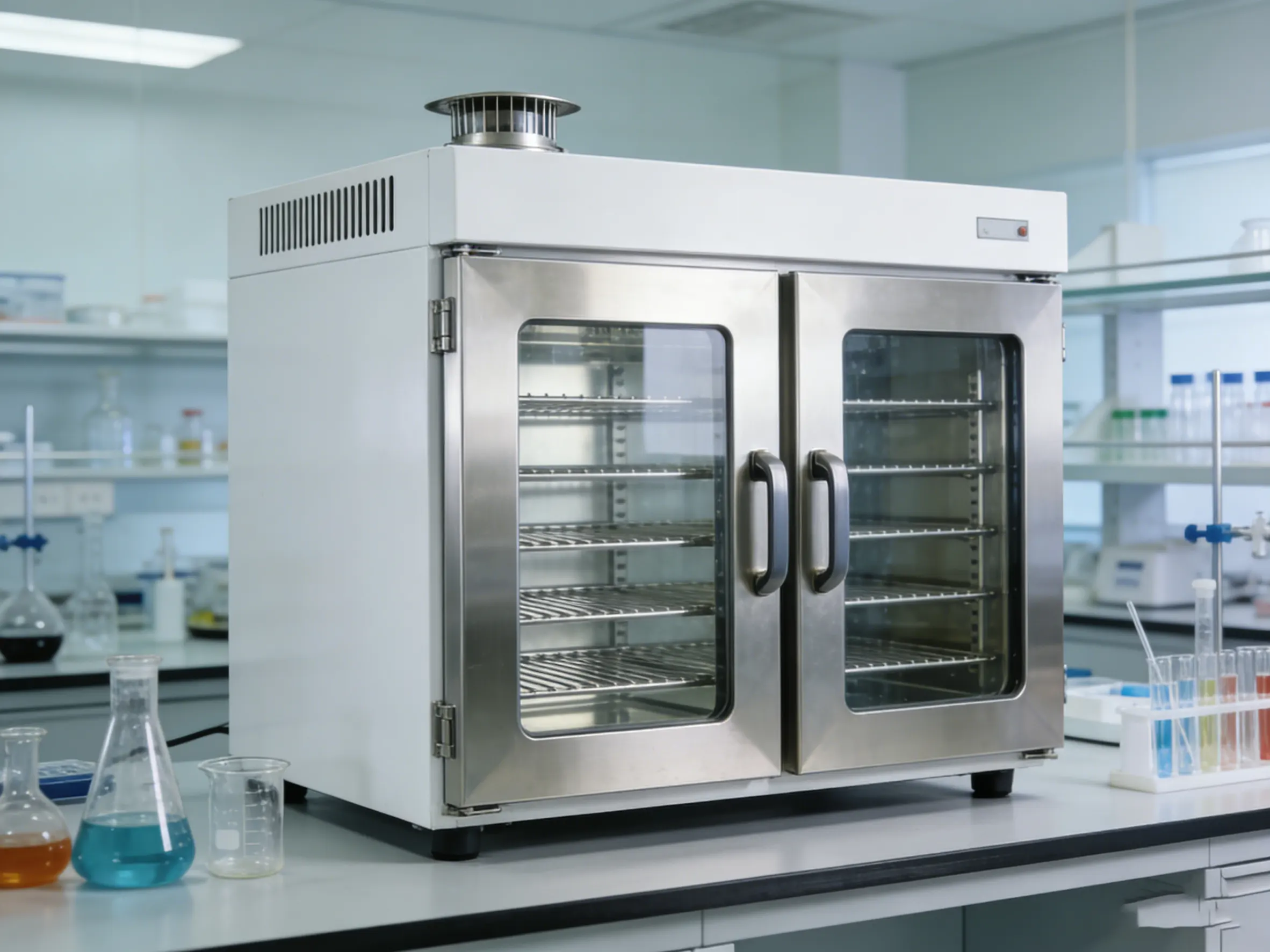
Une étuve de séchage en laboratoire vous aide à éliminer l'humidité, solvants, et les contaminants des échantillons en utilisant une chaleur contrôlée. Vous comptez sur uniformité de la température pour éviter les points chauds ou froids, ce qui peut provoquer un séchage incomplet ou des dommages matériels. Des études montrent que flux d'air, emplacement du radiateur, et circulation de l'air tous ont un impact sur la régularité du séchage de vos échantillons. Des températures constantes vous aident à préparer les échantillons avec précision et à maintenir l'intégrité de vos expériences.
Principaux à retenir
Les étuves de séchage de laboratoire éliminent l'humidité et les contaminants des échantillons à l'aide d'une chaleur contrôlée, garantir des résultats précis.
Une température et un flux d'air uniformes sont cruciaux pour éviter les points chauds ou froids., ce qui peut endommager les échantillons et conduire à des données peu fiables.
Différents types d'étuves de séchage, tels que les fours standards et sous vide, répondre à des besoins spécifiques, comme un séchage doux pour les matériaux sensibles à la chaleur.
Des fonctionnalités de sécurité telles que l'arrêt automatique et les alarmes de température protègent à la fois les échantillons et les utilisateurs., améliorer la sécurité des laboratoires.
L'entretien et le nettoyage réguliers des étuves de séchage aident à maintenir les performances et à prévenir des problèmes tels que l'instabilité de la température..
Qu'est-ce qu'une étuve de séchage en laboratoire
Définition et objectif principal
Vous utilisez une étuve de séchage en laboratoire pour éliminer l'humidité, solvants, et les contaminants des échantillons. Cet équipement vous offre un environnement contrôlé avec chaleur sèche, qui vous aide à préparer des échantillons pour le pesage, tests chimiques, ou une analyse plus approfondie. Les fabricants d’équipements scientifiques décrivent les étuves de séchage de laboratoire comme des outils essentiels pour la recherche et l’industrie. Ces fours assurent un séchage précis, rendant votre flux de travail plus fiable et vos résultats plus précis.
Une étuve de séchage en laboratoire fonctionne en générant une chaleur uniforme. Certains modèles utilisent des ventilateurs pour faire circuler l'air sec et expulser l'humidité.. Vous comptez sur ce processus pour empêcher toute modification indésirable de vos échantillons. Une température et un flux d'air constants vous aident à éviter les erreurs et à garantir la fiabilité de vos expériences.
Conseil: Vérifiez toujours que votre four maintient une température constante. Un chauffage inégal peut endommager les échantillons ou donner des résultats incorrects.
Voici les principales fonctions d'une étuve de laboratoire:
Fonction | Description |
|---|---|
Le four est essentiel pour éliminer l’humidité des échantillons et sécher la verrerie. | |
Générer une chaleur uniforme | Il génère une chaleur uniforme et peut utiliser un système de ventilateur pour introduire de l'air sec tout en expulsant l'humidité.. |
Prévenir les modifications indésirables | Ce processus contrôlé garantit l'exactitude et la fiabilité des résultats de laboratoire. |
Vous utilisez également ces fours pour éliminer la teneur en eau, ce qui est important pour préparer des échantillons pour la pesée ou les tests chimiques. Le four garde la verrerie et les outils métalliques exempts de contaminants. L'uniformité de la température est essentielle car elle protège l'intégrité des échantillons et vous aide à obtenir des résultats cohérents..
En quoi il diffère des autres fours
Vous vous demandez peut-être comment une étuve de séchage en laboratoire se compare à d'autres types d'étuves ou d'appareils de chauffage.. La principale différence réside dans la plage de température et la manière dont chaque appareil contrôle l'environnement à l'intérieur..
Type d'équipement | Température de fonctionnement | Description de l'application |
|---|---|---|
Four de séchage | Conçu pour le séchage des matériaux, utiliser le flux d'air pour le transfert de chaleur. | |
Four à moufle | 500°C à 1800°C | Convient aux applications à haute température, utiliser le rayonnement pour le transfert de chaleur, idéal pour la céramique, métaux, et du verre. |
Une étuve de séchage en laboratoire fonctionne à des températures allant jusqu'à 300°C. Vous l'utilisez pour le séchage, stérilisation, et traitement thermique. En revanche, un four à moufle atteint beaucoup températures plus élevées et fonctionne mieux pour la céramique, métaux, et du verre.
Vous pouvez également comparer les étuves de séchage de laboratoire aux incubateurs. Les incubateurs offrent un contrôle précis de la température et de l'humidité, ce qui est idéal pour cultiver des échantillons vivants. Les étuves de séchage atteignent des températures plus élevées et ne contrôlent pas l’humidité, ce qui les rend meilleurs pour le séchage et la stérilisation.
Fonctionnalité | Incubateurs de laboratoire | Fours de laboratoire |
|---|---|---|
Plage de température | Généralement jusqu'à 70°C, certains jusqu'à 100°C | Généralement comprise entre 250°C et 300°C |
Contrôle de l'humidité | Oui, contrôle précis de l'humidité | Pas de contrôle de l'humidité, fonctionne à chaleur sèche |
Application | Pour la croissance et la culture cellulaire | Pour le séchage, stérilisation, et traitement thermique |
Précision de la température | Une plus grande précision, uniformité de 0,1°C | Précision inférieure, uniformité autour de 2°C |
Les incubateurs de laboratoire offrent un contrôle précis de la température et de l'humidité, idéal pour cultiver des échantillons vivants.
Les fours de laboratoire atteignent des températures plus élevées, adapté au séchage et à la stérilisation, mais ne contrôle pas l'humidité.
Vous choisissez une étuve de séchage en laboratoire lorsque vous avez besoin de chaleur sèche et de températures constantes pour la préparation des échantillons, pas pour la culture de cellules ou la manipulation de matériaux à haute température.
Comment fonctionnent les étuves de séchage
Mécanisme de chauffage
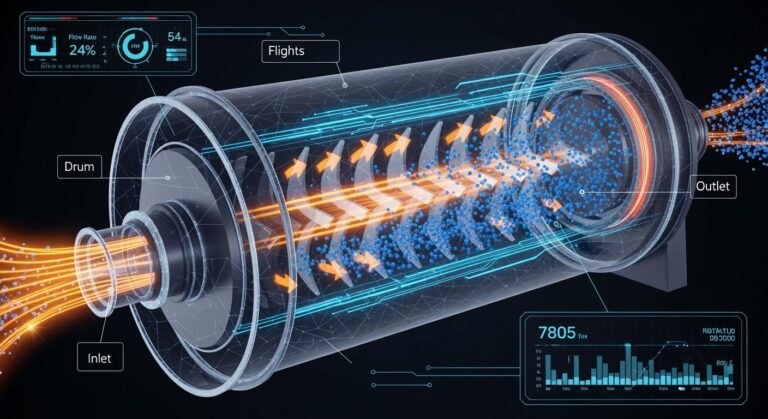
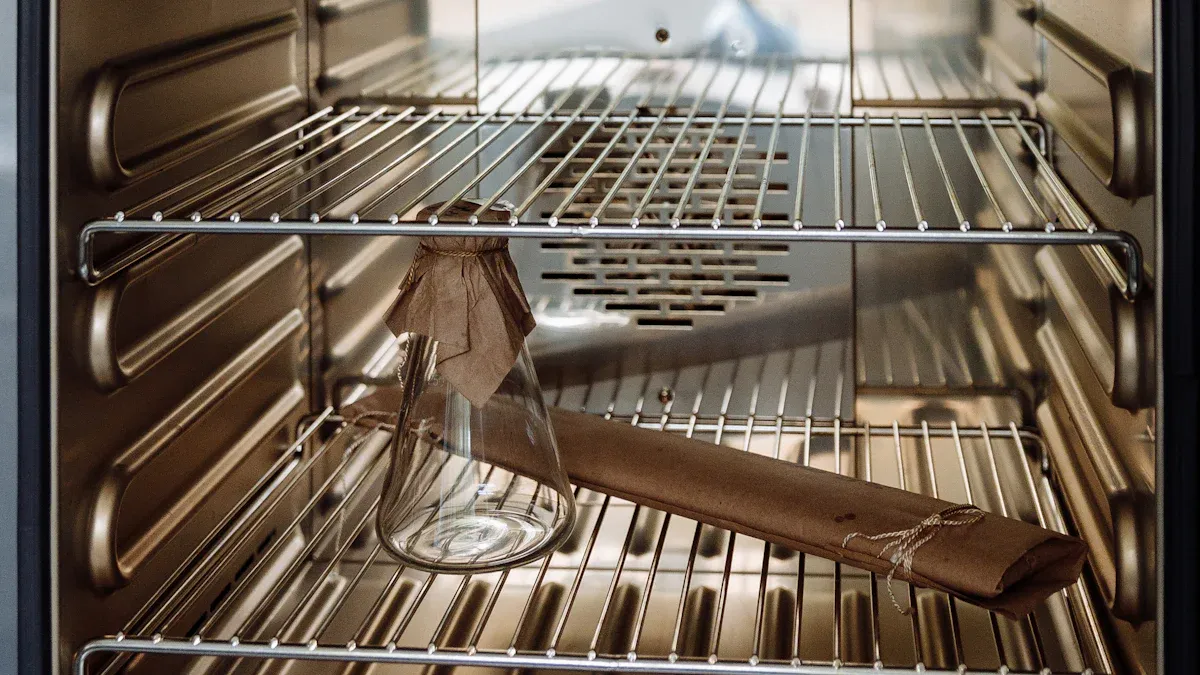
Vous comptez sur le mécanisme de chauffage pour éliminer l’humidité de vos échantillons. La plupart des étuves de séchage de laboratoire utilisent éléments chauffants électriques. Ces éléments convertissent l'électricité en chaleur avec un rendement élevé, atteignant souvent des taux de conversion d'énergie supérieurs 90%. Certains fours avancés utilisent le chauffage infrarouge, qui peut sécher les échantillons plus rapidement et plus uniformément.
Les éléments chauffants électriques sont le choix le plus courant.
La technologie de chauffage infrarouge offre une efficacité améliorée pour certaines applications.
Les cotes d'efficacité énergétique indiquent la quantité d'énergie transformée en chaleur utile..
Lorsque vous réglez la température, les éléments chauffants du four réchauffent l’air à l’intérieur de la chambre. Les ventilateurs ou les systèmes de convection aident à répartir cette chaleur. Vous obtenez des résultats constants car le four maintient une température et un flux d'air constants.
Note: Un chauffage efficace signifie que vous dépensez moins d'énergie et obtenez des temps de séchage plus rapides.
Contrôle de la température
Vous avez besoin d’un contrôle précis de la température pour protéger vos échantillons. Les étuves de séchage de laboratoire utilisent des capteurs et des contrôleurs numériques pour maintenir la température stable. Cela évite la dégradation des échantillons et garantit des résultats fiables. Les fours hautes performances éliminent les variables liées à l'humidité, afin que vous puissiez faire confiance à vos données.
Le chauffage contrôlé protège vos échantillons de la surchauffe.
Une répartition uniforme de la température garantit un séchage uniforme.
Les ventilateurs ou les systèmes de convection déplacent l'air, diffuser la chaleur dans toute la chambre.
Vous pouvez voir comment stable, la température reste pendant le fonctionnement:
Modèle de four | Fluctuations de température | Plage de température |
|---|---|---|
Four de séchage BODR-202 | ±1°C | 50 – 240°C |
Four de séchage BODR-203 | ±1°C | 50 – 240°C |
Four de séchage à température constante | ±1°C | N / A |
Ce contrôle strict signifie que vous évitez les points chauds ou froids. Vos échantillons sèchent uniformément, et vous obtenez des résultats reproductibles à chaque fois.
Types de convection
Vous choisissez entre convection naturelle et convection forcée lors de la sélection d'une étuve de séchage en laboratoire. Les fours à convection naturelle utilisent le mouvement naturel de l'air. L'air chaud monte, et de l'air plus frais tombe, créer une circulation. Les fours à convection forcée utilisent des ventilateurs pour pousser l'air autour de la chambre.
Les fours à convection naturelle dépendent du mouvement naturel de l'air.
Les fours à convection forcée utilisent des ventilateurs pour un flux d'air rapide et contrôlé.
La convection forcée vous offre un chauffage plus rapide et plus uniforme.
Les fours à convection mécanique offrent une plus grande stabilité de température que les fours à convection par gravité.
Un four à air pulsé utilise un ventilateur pour faire circuler l'air chaud. Cela garantit que chaque partie de la chambre obtient la même température. Les fours à convection par gravité dépendent de la montée de l'air chaud, ce qui peut entraîner un chauffage inégal.
Les étuves à vide offrent une autre option pour sécher les échantillons sensibles à la chaleur. Ces fours créent un environnement à basse pression, abaisser le point d'ébullition de l'eau et des solvants. Vous pouvez sécher des matériaux délicats à des températures plus basses, réduisant le risque de dommages thermiques. Dans un laboratoire de recherche, les échantillons de polymères séchés dans une étuve à vide ont conservé leur forme et leurs propriétés, atteindre un teneur en humidité ci-dessous 0.1%. Les fours à vide modernes utilisent des joints avancés pour maintenir des niveaux de vide élevés, jusqu'à 10^-3 mbar. Cela empêche l’oxydation et maintient vos échantillons en sécurité.
Conseil: Utilisez une étuve à vide pour les échantillons fragiles ou lorsque vous devez éviter les températures élevées.
Vous souhaitez également tenir compte de la consommation d’énergie. À 150°C, utilisation des étuves de laboratoire entre 180 et 250 wattheures par heure. Des fours efficaces vous aident à économiser de l’énergie et à réduire les coûts.
Caractéristiques et sécurité
Éléments de conception
Vous bénéficiez d’éléments de conception avancés dans les étuves de laboratoire. Les fabricants se concentrent sur la performance et la durabilité. Technique de chauffage économe en énergie utilise le chauffage infrarouge pour cibler les échantillons et réduire les coûts énergétiques. Des commandes intuitives vous aident à régler facilement des températures précises. Caractéristiques de conception ergonomique, comme les chariots, rendre la manipulation des échantillons plus sûre et minimiser les pertes de chaleur.
Élément de conception | Description |
|---|---|
Technique de chauffage économe en énergie | Utilise le chauffage infrarouge, qui est plus efficace et réduit les coûts énergétiques en concentrant la chaleur sur les échantillons. |
Commandes intuitives | Des commandes et des affichages faciles à utiliser assurent une gestion précise de la température pour de meilleures performances. |
Conception ergonomique | Des caractéristiques telles que des chariots ergonomiques facilitent la manipulation et minimisent les pertes de chaleur pendant le fonctionnement. |
Conseil: Nettoyage et inspection réguliers de l’intérieur et des composants du four aident à conserver ces avantages de conception.
Caractéristiques de sécurité
Vous comptez sur des dispositifs de sécurité pour protéger vos échantillons et vous-même. Les normes internationales exigent stabilité de la température, sécurité électrique, et arrêt automatique. Les serrures de porte et les systèmes d'alarme pour les changements de température ajoutent des couches de protection supplémentaires. Ces fonctionnalités aident à prévenir les accidents et à assurer la sécurité de vos expériences.
Fonction de sécurité | Norme/Certification |
|---|---|
Stabilité de la température | DEPUIS 12880 (2007 mis à jour) |
Sécurité électrique | UL 61010-1 |
Arrêt automatique | Required for safety |
Door lock | Required for safety |
Alarm systems for temperature | Required for over- and under-temperature |
Note: You should inspect electrical components and safety features regularly. Schedule professional maintenance for thorough checks.
User Controls
Modern laboratory drying ovens give you a range of user controls. You can adjust temperature and airflow to suit your samples. Safety features protect against overheating. You select heating speed and chamber capacity based on your needs. These controls help you achieve uniform drying and reliable results.
Uniform temperature distribution
Safety features for over-temperature protection
Controlled heating parameters
Airflow options (gravity vs. mechanical)
Heating speed and uniformity
Chamber capacity and size
Temperature range
🛠️ Following the manufacturer’s maintenance schedule keeps user controls working smoothly and ensures accurate operation.
Uses of Drying Oven in Laboratory
Sample Preparation
You use a drying oven in laboratory settings to prepare samples for analysis. Séchage élimine l'humidité that can interfere with your results. You often work with solid samples, and these need to be dry before you weigh or test them. Techniques such as oven drying, freeze-drying, vacuum drying, and spray drying help you achieve the right conditions.
Here are some common sample types that require drying:
Soil samples for moisture analysis
Plant materials for chemical testing
Food products for quality control
Minerals and powders for weighing
You need even drying to get accurate measurements. Moisture can change the weight and chemical properties of your samples. By using a drying oven, you prevent errors and improve the reliability of your results.
Removing Solvents and Contaminants
You rely on laboratory drying ovens to remove solvents and contaminants from your samples. Controlled heating keeps your samples safe and prevents contamination. Uniform temperature control ensures that every part of your sample dries evenly. This process helps you avoid degradation and preserves sample integrity.
Consistent drying reduces variability and improves the quality of your analytical outcomes. You can trust your results because the oven protects your samples from external factors.
You also meet laboratory quality assurance protocols by using a drying oven. Temperature control and uniformity prevent moisture-related problems. Sample safety and contamination prevention are key for reliable outcomes. You achieve reproducible experiments because the oven provides consistent conditions.
Applications in Research and Industry
You find laboratory drying ovens in many fields. These ovens support your work in chemistry, biology, food science, material science, et produits pharmaceutiques.
Field | Utilisations typiques |
|---|---|
Chemistry | Drying samples, evaporating solvents, stérilisation |
Biology | Drying biological samples, controlled incubation |
Food and beverage | Moisture content testing, baking experiments |
Material science | Annealing metals, studying degradation |
Médicaments | Drying compounds, sample preparation |
You depend on drying ovens for tasks such as preparing samples, testing moisture content, and sterilizing equipment. These ovens help you follow quality protocols and produce reliable, reproducible results in your research and industrial work.
Types of Laboratory Drying Ovens
Standard Ovens
You often choose standard laboratory drying ovens for routine drying tasks. These ovens give you reliable performance and suit many sample types. You can find them in different sizes, from small units for limited space to large chambers for bigger batches. Standard ovens keep the temperature steady and uniform, which helps you get accurate results. You control the temperature easily with user-friendly settings. Safety features protect your samples and equipment.
Characteristic | Description |
|---|---|
Taille et capacité | Available in various sizes, from compact to larger units for different needs. |
Uniformity and Stability | Maintains consistent temperature throughout the chamber for scientific accuracy. |
Control and Ease of Use | Offers precise temperature control and user-friendly features like programmable cycles. |
Sécurité | Includes features like over-temperature protection and durable construction. |
Conseil: You should select the oven size based on your sample volume and laboratory space.
Vacuum Ovens
You use vacuum ovens when you need gentle drying for sensitive samples. These ovens remove air from the chamber, which lowers the boiling point of liquids. You can dry samples at lower temperatures and avoid damage. Vacuum ovens help you recover solvents and prevent oxidation. You often use them for powders, électronique, médicaments, and botanical materials.
Heat-sensitive samples
Solvent recovery
Drying powders, électronique, médicaments, and botanical materials
Preventing oxidation
Vacuum ovens give you more control over the drying process. You protect delicate samples and improve your results.
Specialized Models
You may need specialized laboratory drying ovens for unique sample requirements. Some ovens meet strict test standards, such as those for asphalt binder content determinations. These models comply with ASTM D6307 and AASHTO T 308. Forced air drying ovens serve industries like biotechnology and materials science. You get precise control over temperature and humidity, which helps you dry and treat samples effectively.
Laboratory drying ovens support many fields:
Biotechnologie
Medical
Environnemental
Materials Science
Électronique
Note: You should match the oven type to your sample needs and industry standards for the best results.
You depend on laboratory drying ovens to remove moisture and contaminants with precise temperature control. Features like durable construction, chauffage uniforme, and secure seals protect your samples and keep your work safe. You should consider oven size, heating method, and safety features before making a choice. Nettoyage régulier and maintenance help prevent common issues such as temperature instability or fan problems. When you select the right oven, you improve sample integrity and ensure reliable results.
FAQ
What samples can you dry in a laboratory drying oven?
You can dry soil, plant material, poudres, verrerie, et outils métalliques. Most ovens handle non-living samples. For heat-sensitive items, you should use a vacuum oven.
How do you clean a laboratory drying oven?
Tu devrais éteindre le four et le laisser refroidir. Wipe the interior with a soft cloth. Use mild detergent for stubborn stains. Avoid harsh chemicals that can damage surfaces.
Why does temperature uniformity matter?
Temperature uniformity helps you get accurate results. Uneven heating can cause incomplete drying or damage your samples. You should always check for consistent temperatures before starting.
Can you use a drying oven for sterilization?
Oui, you can sterilize glassware and metal tools in a drying oven. Set the temperature according to your lab’s protocol. Dry heat kills most bacteria and spores.
What safety features should you look for?
You should look for automatic shutoff, door locks, and temperature alarms. These features protect you and your samples. Regular maintenance keeps safety systems working.